
Your cart is currently empty!
Transform Your Office Walls to Spark Creativity
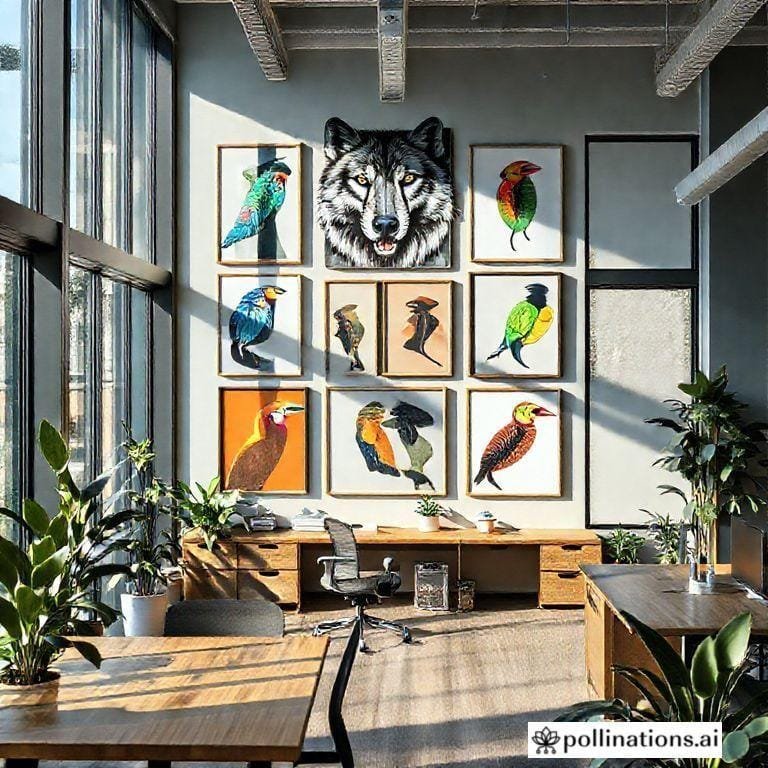
Think of your office walls as blank slates ready to spark your next great idea. In today’s busy work world, where being creative and getting things done really matters, what we see around us shapes how we think and work. The right wall decorations can change a plain workspace into an exciting place that boosts new ideas, lowers stress, and keeps you motivated all day.
Studies keep showing that our surroundings affect how our brains work. One study found that interesting visual spaces can make people 15% more creative. Color research tells us that different shades and patterns wake up various parts of the brain, helping with everything from solving problems to staying focused.
This guide will show you how picking the right office art can be like having a secret tool for better creativity and work results. We’ll look at how your environment affects job performance, check out different art styles and how they impact your mind, and give you real tips for setting up a workspace that not only looks good but actually helps you succeed professionally.
How Your Surroundings Shape Creative Thinking
To understand how places affect creativity, remember that our brains are always reading what’s around us. Brain science shows that what we see directly changes the pathways in our brains connected to imagination and problem-solving. When we surround ourselves with inspiring pictures, it’s like programming our brains for creative success.
Dr. Emily Rodriguez, a surroundings expert at Stanford University, says: “The human brain reacts strongly to what we see. When workers see art that makes them feel good or makes them curious, we see more activity in the front part of the brain—the area that handles complex thinking and decisions. This brain reaction leads directly to more creative work.”
Other research shows that employees in nice-looking workspaces produce 32% more creative work compared to those in boring spaces. The studies also show that visual variety—using different colors, textures, and subjects—keeps your mind fresh and alert during the workday.
Color feelings play a big role here. Blue colors, for example, help people do better on tasks needing new ideas, while green spaces help people work efficiently and feel less worried. Using warm colors like orange and yellow can boost energy and excitement, making them perfect for group thinking areas.
Besides color, the artwork itself triggers different brain responses. Abstract art helps people think outside the box by making viewers find meaning in unclear images. Nature pictures reduce tiredness and help attention. Geometric patterns can improve focus and logical thinking. Knowing these mind principles helps you choose wall art that specifically supports your creative process and work goals.
Picking Art Styles That Boost New Ideas
Choosing the right art style for your office means thinking about both what looks good and what works well. Different artistic approaches wake up different thinking processes, making some styles especially good for certain creative jobs. The trick is matching the art to your work needs while keeping it visually appealing.
Abstract art with bold colors and moving designs works particularly well for stirring up innovative thinking. The lack of clear pictures makes your brain look for patterns and think metaphorically—skills that directly help with solving problems and coming up with ideas. Research shows that seeing abstract art can make your brain more flexible by up to 18%, helping you switch between different concepts more easily.
For people doing detailed analysis work or computer programming, simple and geometric art provides visual order that helps concentration. Clean lines, balanced layouts, and limited color choices create a sense of structure that many find helpful for focused tasks. As one workspace expert notes:
“Simple art acts like visual breathing space for the brain. It gives enough stimulation to prevent boredom but avoids overloading your mind during deep work sessions.”
Nature photos and landscape art offer another strong choice, especially for reducing stress and preventing creative exhaustion. Many studies confirm that nature images lower stress hormones, improve mood, and help creative reasoning. The idea that humans naturally connect with nature suggests that including natural elements—even just visually—can significantly improve well-being and brain function.
For team spaces or areas used for group thinking, consider story-based art or pieces that tell tales. These works start conversations, encourage different interpretations, and can serve as comparisons for business challenges. The storytelling part engages different brain areas than purely decorative art, helping the kind of connected thinking that leads to breakthrough ideas.
Smart Placement for Best Results
Where you put artwork in your office space matters as much as what you choose to show. Smart placement makes sure that art does practical jobs beyond just decorating, actively helping your workflow and creative stimulation through the day. Careful positioning changes art from background items to active partners in your creative process.
The main wall you look at—usually the one right in front of you when sitting—should have your most inspiring piece. This placement makes sure you see it regularly without trying hard to look at it. For maximum effect, choose something that connects with your work goals or shows the creative energy you want to build. This becomes your “inspiration foundation”—a visual touchstone you can return to during the workday.
Other walls and side spaces work well with matching pieces that support different thinking styles. Consider putting more complex, detailed works in break areas or spaces for reflection. These pieces invite closer looking during mental rest times, often sparking insights that escape us during focused work. Simpler, repeating patterns work well in areas needing long concentration, since they provide visual rhythm without needing much brain power.
The height where you hang artwork also affects how it impacts you psychologically. Eye-level placement creates immediate connection and works well for pieces meant as main focuses. Higher placement can make spaces feel bigger and works particularly well in rooms with low ceilings. Group smaller pieces together to create visual interest in transition areas like hallways or entry points between different work zones.
Don’t forget the power of creating art “stations” throughout your office. Designate one area for energizing, colorful works to boost morning creativity. Make a calm corner with peaceful landscapes for afternoon focus. Put thought-provoking abstract pieces near collaboration spaces to stimulate discussion. This zoned approach ensures your environment supports different creative moods during the day.
Using Animal Themes for Lively Energy
Animal-themed artwork brings special energetic qualities to office spaces that can significantly improve creative performance. Different animals represent various traits—from owl wisdom to turtle persistence—making them strong visual comparisons for professional qualities we want to develop. The lively presence of animal images adds life and movement to still spaces.
Scientific research supports how well animal imagery works in work environments. One study found that seeing animal photographs made participants stick with hard tasks 23% longer. The researchers think that watching animals in their natural homes triggers our built-in curiosity and problem-solving instincts. Another study showed that animal imagery can improve pattern recognition abilities—a crucial skill for creative innovation.
Consider the specific qualities you want to highlight in your workspace. Eagle images promote big-picture thinking and strategic views. Wolf artwork represents teamwork and communication—perfect for group areas. Butterfly designs show transformation and creative growth.
The textural qualities of animal art also add to its effectiveness. Fur, feathers, scales, and other natural patterns provide visual complexity that stimulates the brain without overwhelming it. This balanced stimulation keeps you alert while preventing the visual tiredness that can happen with either too simple or too busy artwork. The natural shapes found in nature create visual interest that feels real and grounding.
Color Feelings in Office Art Choices
The colors that stand out in your office artwork have great power over mood, energy levels, and thinking performance. Understanding color psychology lets you make careful choices that support specific creative work types and balance environmental factors like lighting and room direction. Strategic color selection changes art from decorative to functional.
Blue comes out as the top color for tasks needing innovation and insight. Multiple studies confirm that blue spaces improve performance on creative jobs by promoting calm, focused states good for deep thinking. Lighter blues support clear communication and mental clarity, while deeper navy and cobalt shades encourage deep thought and complex problem-solving. Consider blue-heavy pieces for areas used for strategy development or creative planning.
Green holds a special place in the color world, reducing eye strain while promoting balance and efficiency. Its connection to nature makes it naturally restoring, helping fight mental tiredness during long work sessions. Research shows that even short exposure to green spaces can improve creative performance, making green artwork especially valuable in high-stress work environments.
Yellow and orange boost energy and enthusiasm, making them perfect for spaces where group thinking and teamwork happen. These warm colors increase oxygen going to the brain, improving mental activity and alertness. However, they work best as accent colors rather than main themes, since too much exposure can lead to restlessness. Strategic touches of warm color in artwork can provide the mental lift needed to push through tough creative blocks.
Neutral colors—especially grays and earth tones—create sophisticated backgrounds that let colorful elements stand out while providing visual rest. Artwork with neutral color schemes works well in spaces needing long concentration, since they minimize visual distraction while keeping visual appeal. The texture and composition become more noticeable in neutral pieces, engaging the brain in quieter ways that support extended focus.
Making Visual Patterns and Movement
The arrangement of multiple artworks creates visual rhythm that affects how we move through space and change between different mental states. Thoughtful layout ensures that your office art collection works together as a complete system rather than separate pieces. This whole approach maximizes how your environment impacts creativity and workflow.
Creating visual rhythm starts with considering what you see throughout your space. How does your eye move from one area to another? What sequences of artwork do you notice during normal movement patterns? Making intentional visual pathways guides attention and can subtly direct energy flow. For example, placing increasingly dynamic pieces leading into team areas can build creative momentum naturally.
Variety within sameness creates the most effective visual environments. Keep some consistent elements—whether color scheme, frame style, or subject matter—while adding enough variety to prevent visual boredom. This balance between familiarity and newness keeps the brain interested without causing distraction.
Consider the speed of visual information as you move through your workspace. Areas needing fast thinking and idea generation benefit from more complex, detailed artwork that provides multiple engagement points. Spaces for deep, focused work perform better with simpler compositions that don’t fight for brain resources. Transition areas like hallways can feature connected pieces that create story flow, helping your mind switch between different work types.
The size of artwork compared to wall space greatly affects perceived rhythm. Large main pieces create visual anchors that ground a space, while smaller works add texture and detail. Balancing these elements prevents visual chaos while keeping dynamic interest. Remember that empty space is as important as the artwork itself—enough room around pieces lets them be properly appreciated and prevents visual overload.
Season Changes for Ongoing Inspiration
One of the best strategies for keeping long-term creative stimulation involves occasionally refreshing your office artwork. Seasonal changes not only keep your environment visually interesting but also match your surroundings with natural rhythms and changing work priorities. This practice prevents “visual getting used to”—when we stop noticing familiar elements around us.
The psychological benefits of updating your visual environment are substantial. Research shows that new visual sights trigger feel-good chemicals in the brain, improving motivation and engagement. By bringing in new artwork every season, you essentially create mini-“newness boosts” that refresh your creative thinking. This approach is especially valuable for fighting the mid-project slowdowns that often challenge long creative projects.
Consider matching your art changes with natural seasons and their connected qualities. Spring artwork might feature renewal themes—new growth, young animals, fresh starts—perfect for beginning new projects. Summer pieces can emphasize energy and plenty, supporting heavy production times. Autumn art works well for evaluation and improvement periods, while winter images support deep thought and planning.
Tracking how different artworks affect your creativity can improve how well your change strategy works. Note which pieces seem connected to particularly productive times or breakthrough ideas. Over time, you’ll develop personal understanding of which visual elements most effectively support your unique creative process. This information-based approach changes art selection from aesthetic preference to strategic tool.
Mixing Personal Meaning and Work Vision
The strongest office artwork combines good looks with personal importance and work relevance. When art connects with your values, goals, and work identity, it becomes more than decoration—it becomes a visual showing of your creative purpose. This deeper connection changes your environment into a personalized spark for innovation.
Start by identifying the main qualities you want to develop in your work. Are you looking for more innovative thinking? Better teamwork? Deeper focus? More resilience? Specific animals, colors, and compositions can represent these traits, creating constant visual reminders of your professional aims. For example, if persistence is your current focus, artwork showing animals known for determination—like salmon swimming against the current or ants building complex structures—can provide daily inspiration.
Include elements that reflect your professional path or goals. Artwork showing landscapes from places important to your career development, animals representing qualities you respect, or abstract pieces that visually show your business vision all create meaningful connections. These personal touches change standard office decoration into a customized environment that supports your specific creative identity.
Consider creating visual stories through artwork sequences that tell tales relevant to your work. A series showing different stages of a butterfly’s change might represent product development cycles. Wolf group imagery could show team dynamics and leadership principles. Abstract pieces with evolving color schemes might visualize project phases from start to finish. These stories provide thinking frameworks that support complex thought.
Changing your office walls into creativity sparks requires thoughtful selection, smart placement, and occasional updates. The artwork you choose becomes part of your professional toolkit, affecting mood, energy, and thinking performance during the workday. By using these principles, you can create an environment that not only shows your professional identity but actively improves your creative abilities.
Remember that the most effective office art balances good looks with psychological impact. It should inspire without distracting, stimulate without overwhelming, and reflect your professional vision while supporting your daily workflow. Whether you’re setting up a company headquarters, home office, or creative studio, the right wall art can become your secret tool for ongoing innovation and productivity.