
Your cart is currently empty!
The Evolution of Wall Art Through Time
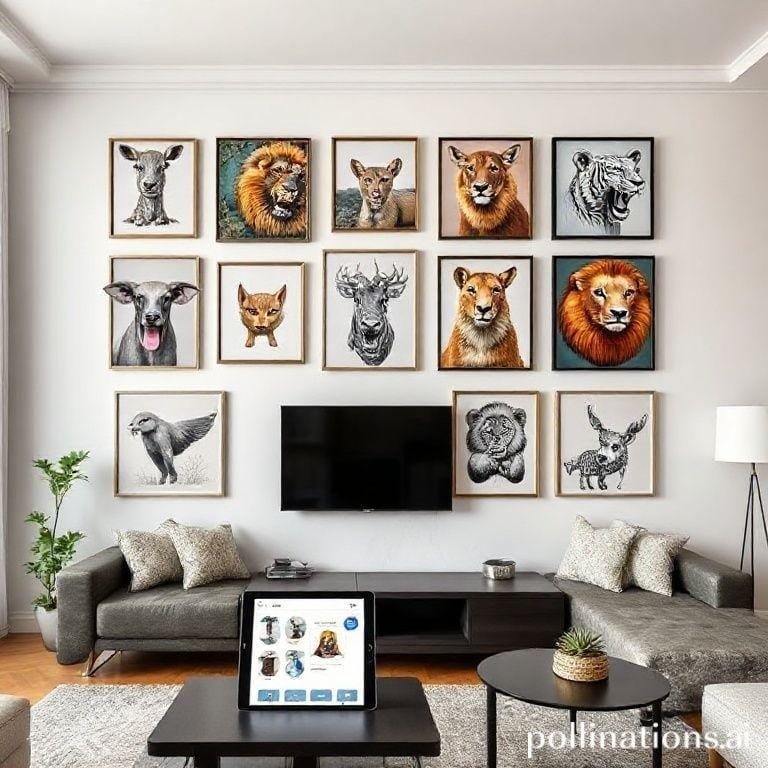
Wall art has been like a constant companion to humanity, starting from the very beginning of civilization. It has changed from simple cave drawings to modern digital pictures that decorate our homes today. This journey through art history shows us not just how styles have changed, but how people communicate, decorate their spaces, and show who they are. From ancient wall paintings that told stories about hunting and ceremonies to today’s prints that show our personal interests, wall art has always been like a mirror reflecting human culture and technology advances.
The transformation of wall art covers thousands of years. It began with prehistoric artists who used natural colors to make the first known artworks on cave walls. These early expressions slowly developed through ancient civilizations where wall art became more advanced, serving religious, political, and decorative purposes. The Renaissance brought groundbreaking techniques in perspective and realism, while the Industrial Revolution made art available to more people. Today, we stand where traditional skill meets digital innovation, and wall art has become more personal and varied than ever before.
Prehistoric Beginnings: The First Strokes
The story of wall art begins about 40,000 years ago in the dark caves across Europe and Indonesia. Early humans used charcoal, ochre, and other natural pigments to create amazing pictures of animals, human hands, and abstract patterns. The famous Lascaux Cave in France, found in 1940, contains nearly 2,000 figures including horses, stags, and bison that show incredible observation skills and artistic talent. These weren’t just decorations; they represented humanity’s first attempts to record their world, possibly serving ritual or educational purposes for hunting societies.
Archaeological evidence suggests that prehistoric artists used advanced techniques that would impress modern painters. They used scaffolding to reach high cave ceilings, mixed pigments with animal fat to create paint, and sometimes blew pigment through hollow bones to create spray-painted effects. The survival of these artworks—lasting for thousands of years in carefully chosen cave environments—shows how important they were in early human societies. As art historian John Berger noted:
The prehistoric painter was concerned not with ornamenting a surface but with penetrating a mystery.
This deep connection between art and meaning would continue throughout wall art’s evolution.
Ancient Civilizations: Art as Power and Piety
As human societies grew into organized civilizations, wall art changed from cave paintings to advanced murals that decorated temples, palaces, and tombs. In ancient Egypt, wall art reached incredible levels of technical skill and symbolic complexity. Egyptian tomb paintings followed strict rules—figures shown in composite perspective and hierarchical scaling where important figures appeared larger. These artworks weren’t just decorative; they served religious purposes, making sure the deceased person had a successful journey to the afterlife.
Meanwhile, in ancient Greece and Rome, wall art took different directions. Greek artists developed fresco techniques that would influence European art for centuries, while Roman villas featured elaborate murals showing mythological scenes, landscapes, and architectural illusions. The eruption of Mount Vesuvius in 79 AD preserved remarkable examples in Pompeii, showing advanced understanding of perspective and color theory. Roman writer Vitruvius noted that wall paintings should create
the appearance of buildings with projecting and receding features
—early attempts at optical illusions that would fascinate artists for thousands of years.
Medieval to Renaissance: The Sacred and Secular Divide
The Middle Ages saw wall art mostly limited to religious settings, with churches and monasteries becoming the main canvases for artistic expression. Byzantine mosaics with their shining gold backgrounds and stylized figures created heavenly visions meant to inspire worshipers. In Western Europe, Romanesque and Gothic churches featured fresco cycles showing biblical stories for largely illiterate congregations. These artworks followed strict religious guidelines while showing remarkable technical skill in fresco painting—applying pigment to wet plaster for permanent integration.
The Renaissance marked a revolutionary turning point where wall art expanded beyond religious themes to include everyday subjects and embraced new scientific understanding of perspective. Masaccio’s “The Holy Trinity” (around 1427) in Santa Maria Novella, Florence, shows the first systematic use of linear perspective, creating the illusion of architectural space that seemed to extend the actual church. This period also saw the emergence of the artist as individual creator rather than anonymous craftsman. Leonardo da Vinci’s “The Last Supper”—though technically a failed experiment in mixed media—remains one of history’s most influential wall artworks, showing psychological depth and compositional mastery that would inspire generations.
The Print Revolution: Art for the Masses
The development of printmaking technologies from the 15th century onward made wall art available to everyone, making images accessible beyond the wealthy elite who could commission frescoes or oil paintings. Woodblock printing, followed by engraving and etching, allowed multiple copies of artworks to be produced and distributed. Albrecht Dürer’s detailed engravings traveled across Europe, influencing artistic styles and making his work known far beyond his native Germany. This marked the beginning of art as reproducible product rather than unique object.
The 19th century brought even more significant changes with lithography and later chromolithography, which allowed mass production of colorful prints. Currier and Ives in America produced millions of inexpensive prints showing everything from country scenes to historical events, bringing art into middle-class homes for the first time. As art critic John Ruskin observed, this spread of printed images meant that
art is not a luxury but a necessity
for civilized life. The walls of ordinary homes began to reflect personal tastes rather than just religious devotion or displays of wealth, setting the stage for the personalized wall art we enjoy today.
Modern Movements: Breaking with Tradition
The late 19th and early 20th centuries saw radical departures from traditional wall art as movements like Impressionism, Cubism, and Abstract Expressionism challenged conventional representations. The invention of photography forced painters to rethink art’s purpose—no longer needing to accurately show reality, artists explored emotion, perception, and formal qualities. Posters became important art forms, with Henri de Toulouse-Lautrec’s Moulin Rouge advertisements showing how commercial art could achieve artistic excellence.
Mid-century modernism brought abstract art into home spaces, with prints by artists like Jackson Pollock and Mark Rothko becoming status symbols for sophisticated homeowners. The rise of galleries and museums created new contexts for experiencing wall art, while screen printing made limited edition artworks more accessible. As Clement Greenberg argued in his influential essays, the flatness of the picture plane became the defining characteristic of modern painting—a self-conscious acknowledgment of art’s essential nature that would influence everything from Color Field painting to Minimalism.
The Digital Age: Revolutionizing Wall Decor
The digital revolution has changed wall art more fundamentally than any development since the invention of perspective. High-quality printing technology, combined with digital design tools, has made art creation and distribution available to everyone. Artists can now create works digitally and have them printed on various materials with amazing accuracy. Online platforms allow consumers to access millions of images from around the world, customizing size, framing, and medium to suit their spaces.
At Paw Creativ, we’ve embraced this digital revolution while maintaining respect for artistic tradition. Our animal-themed wall art combines advanced printing technology with designs that celebrate our connection to the natural world. From realistic wildlife portraits to stylized animal illustrations, we offer art that brings personality and warmth to any space. The ability to print on demand means we can offer an extensive collection without keeping physical inventory, making unique art accessible to everyone. As digital artist David Hockney noted:
The computer is a wonderful medium—it’s like a kind of fantasy land. You can do anything you want.
This creative freedom defines contemporary wall art.
Personalization and Niche Markets
Today’s wall art market thrives on personalization and specialization, with consumers looking for artworks that reflect their specific interests, values, and aesthetic preferences. The rise of niche markets has allowed companies like Paw Creativ to focus on particular themes—in our case, animal-inspired designs that appeal to pet lovers, wildlife enthusiasts, and those wanting to bring natural elements into their homes. This specialization represents a significant shift from the one-size-fits-all approach that dominated much of art history.
Modern printing technologies enable unprecedented customization options. Customers can choose not just the image but the medium—canvas, metal, acrylic, or fine art paper—and sizing to perfectly fit their space. At Paw Creativ, we’ve seen how personalized art creates deeper emotional connections; a custom portrait of a beloved pet or a favorite wild animal species becomes more than decoration—it’s a personal statement and memory trigger. This trend toward personalization reflects broader cultural shifts toward individualism and self-expression in home decor.
Sustainable and Ethical Art Practices
As environmental awareness grows, sustainable practices have become increasingly important in wall art production. The art world is confronting its environmental impact, from the materials used in traditional painting to the waste generated by mass production. At Paw Creativ, we’ve implemented eco-friendly practices including using archival, acid-free papers; water-based inks; and sustainable framing options. We also operate on a print-on-demand model that reduces waste by creating artworks only when ordered.
Beyond environmental concerns, ethical considerations around cultural appropriation and fair compensation for artists have gained importance. The digital age has made it easier for artists to reach global audiences while protecting their intellectual property through watermarks and limited edition certifications. As consumers become more conscious about the origins and impacts of their purchases, transparency in art production has become a competitive advantage. The future of wall art lies not just in aesthetic innovation but in ethical business practices that respect both people and planet.
The journey of wall art from ancient caves to digital displays reveals humanity’s lasting need to decorate our spaces and express our identities. Each era brought technical innovations that expanded artistic possibilities while reflecting contemporary values and concerns. Today, we enjoy incredible access to diverse artistic styles and the ability to personalize our environments in ways previous generations couldn’t imagine.
At Paw Creativ, we’re proud to contribute to this ongoing evolution by combining traditional artistic values with modern technology. Our animal-themed collections honor our deep connection to the natural world while using the latest printing techniques to ensure quality and durability. Whether you’re drawn to the primal power of prehistoric art, the technical mastery of Renaissance frescoes, or the creative freedom of digital art, your walls can tell a story that reflects both personal taste and participation in this rich artistic heritage.
The evolution of wall art continues as emerging technologies like augmented reality and smart displays offer new possibilities. Yet the fundamental human desire to surround ourselves with meaningful images remains constant. As you consider artwork for your own spaces, remember that you’re participating in a tradition that spans thousands of years—each piece you choose becomes part of your personal story while connecting you to artists and art lovers throughout history.