
Your cart is currently empty!
Transform Your Space with Perfect Wall Art
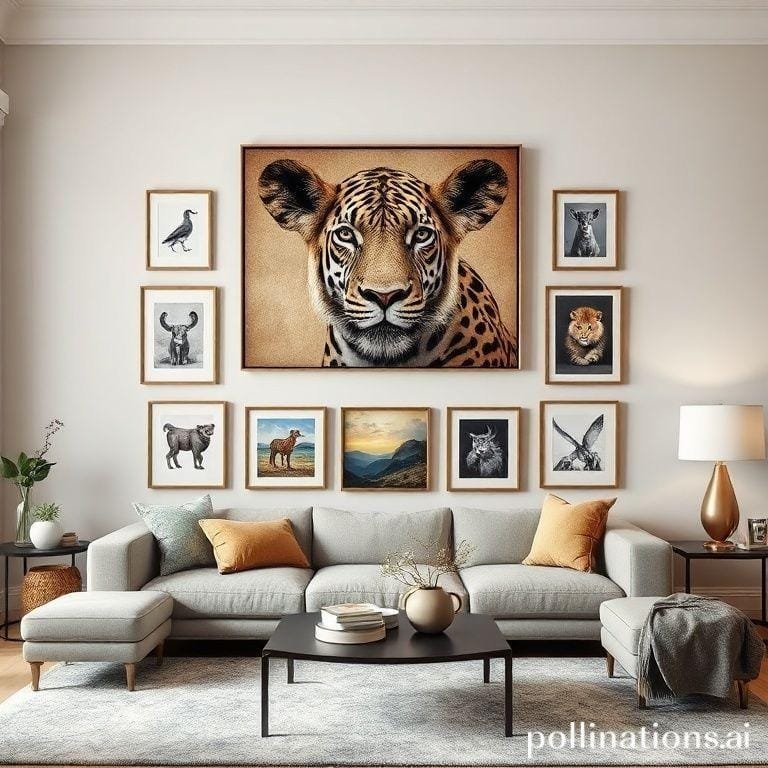
Choosing the right wall art is like giving your room a personality makeover. It can turn a plain space into your own special retreat that shows off your style. Whether you’re decorating a small apartment or a big house, the artwork you pick helps set the mood and pulls your room’s look together. Think about room size, colors, and themes – these choices all matter in creating a space that feels put-together and welcoming.
This guide will walk you through practical tips for picking artwork that makes your space better. We’ll talk about how to measure your room, work with colors, and choose themes that fit your life. You’ll learn how to create visual balance, make bold choices, and include pieces that bring happiness to your everyday surroundings. Plus, we’ll show you Paw Creativ’s wonderful collection of animal-themed wall art that can add warmth and character to any room.
Understanding Room Size and Scale
When picking wall art, start by looking at your room’s size. Large pieces can swallow up small spaces, while tiny artworks might disappear in big rooms. For smaller rooms, try creating a gallery wall with several smaller pieces that work together like a team. This adds visual interest without taking over the space. In larger rooms, you have more freedom to choose standout pieces that grab attention.
Your furniture size also plays a big role in choosing artwork. A good rule of thumb is that artwork should be about two-thirds to three-quarters as wide as the furniture it’s hanging above. For example, if your sofa is 84 inches wide, look for artwork that’s between 56 and 63 inches wide. This creates a balanced relationship between your furniture and wall decorations.
Ceiling height is another important factor. Rooms with high ceilings can handle taller vertical pieces or artwork hung higher on the wall, while standard-height ceilings usually look best with artwork hung at eye level. Don’t forget about the wall space itself – a single large piece might work well on an empty wall, while a group of smaller pieces could be perfect for filling awkward corners or hallways.
Professional designers often talk about the importance of empty space. Leaving some wall area bare around your artwork lets it breathe and creates a more polished look. As famous designer Nate Berkus once said:
“The space around your artwork is just as important as the artwork itself. It gives your eyes a place to rest and makes each piece stand out more.”
Working With Colors
Color is like the magic ingredient that creates mood and harmony in a space. When choosing wall art, think about how its colors will mix with your existing decorations. You have several options: complementary colors create exciting contrast, similar colors blend together smoothly, or single-color schemes offer elegant simplicity.
Start by identifying the main colors in your room – these might come from your furniture, floors, or larger decorative items. Then look for artwork that either matches or thoughtfully contrasts with these colors. If your room has neutral tones, colorful artwork can act like a bright spotlight. On the other hand, in brightly colored rooms, black and white photos or subtle color pieces can provide visual calmness.
Think about how colors make you feel when making your choice. Warm colors like reds, oranges, and yellows create energy and warmth, making them great for social spaces like living rooms and dining areas. Cool colors such as blues, greens, and purples promote calmness and relaxation, perfect for bedrooms and home offices. Neutral artwork with metallic touches can add sophistication to any space.
Don’t be afraid to use artwork as your color inspiration. Sometimes, starting with a piece you love and building your room’s color scheme around it can create amazing results. Look for artwork that contains 2-3 colors from your existing palette, plus one accent color that you can add through smaller decorative items like throw pillows or vases.
Choosing Themes That Show Your Personality
The theme of your wall art should reflect who you are and what the room is used for. In living areas, you might choose pieces that start conversations or show your interests and travels. Bedrooms often work well with calming, personal images that help you relax. Home offices might feature inspiring quotes or abstract pieces that boost creativity.
Animal-themed artwork has become very popular because it can add warmth, personality, and a touch of nature to any space. From amazing wildlife photos to playful animal drawings, these pieces can create emotional connections and serve as great conversation starters. At Paw Creativ, we specialize in creating beautiful animal-themed wall art that brings joy and character to your home.
Consider the story you want your space to tell. A collection of plant prints might create a peaceful, natural feeling, while city photography could establish a modern, edgy vibe. Family photos arranged in matching frames tell a personal story, while abstract art allows for interpretation and adds contemporary style. The key is consistency – choose a theme that means something to you and stick with it throughout the room.
Seasonal themes can also be added through artwork that’s easy to change. This lets you refresh your space throughout the year without major redecorating. For permanent displays, however, choose themes that you’ll love for years to come rather than following temporary trends.
Creating Visual Balance and Flow
Proper placement of wall art is essential for creating visual harmony in your space. Think about how pieces relate to each other and to the room’s built-in features. Artwork should be hung at eye level, which usually means the center of the piece should be about 57-60 inches from the floor. This standard works for most people and creates a comfortable viewing experience.
When arranging multiple pieces, keep consistent spacing between them. For gallery walls, 2-3 inches between frames usually works well. Use templates cut from newspaper or craft paper to plan your arrangement before making any holes in the wall. This lets you try different layouts and make sure the visual weight is balanced.
Consider what you see from different entry points and seating areas. Artwork should be visible and properly angled from the main viewing spots. In rooms with multiple seating areas, you might want to create several focus points with carefully placed artwork. The goal is to guide the eye naturally through the space without creating visual clutter.
Balance doesn’t always mean perfect symmetry. Uneven arrangements can be dynamic and interesting when done thoughtfully. The key is to spread visual weight evenly – a large piece on one wall might be balanced by a group of smaller pieces on the opposite wall. Pay attention to how colors, subjects, and frame styles work together to create a unified whole.
Mixing Different Art Styles
While keeping a consistent theme is important, mixing different art styles can add depth and personality to your space. The secret to successful mixing is finding common elements that create connection. These might include consistent framing, color schemes, or subject matter that ties different pieces together.
Start by choosing one main style that sets the room’s tone, then add complementary styles in smaller amounts. For example, you might feature several realistic animal portraits as your main pieces while adding a few abstract nature interpretations as accents. This approach creates visual interest while maintaining harmony.
Consider the time period and origin of different pieces when mixing styles. Sometimes, combining old and new can create exciting tension – a vintage plant print might look amazing next to a modern geometric piece if they share similar color schemes. The frame style can also help connect different art styles; uniform framing can make diverse artworks feel like a carefully chosen collection.
Don’t forget about mixing photography with paintings and prints. Black and white photography often works well with colorful paintings, as the single-color images provide visual rest between more vibrant pieces. Text-based art, such as inspiring quotes or vintage ads, can also be mixed with visual artwork to create deeper meaning.
Lighting Your Artwork Properly
Good lighting can dramatically improve how your wall art looks and is appreciated. Natural light shows the true colors of your artwork, but be careful of direct sunlight, which can cause fading over time. North-facing rooms usually provide the most consistent natural light for displaying art.
For artificial lighting, picture lights mounted above artwork provide focused light that highlights specific pieces. Track lighting offers flexibility for highlighting multiple artworks and can be adjusted as your collection changes. Recessed ceiling lights with adjustable heads are another great option for gallery-style arrangements.
The color temperature of your lighting matters a lot. Warm white light usually flatters most artwork, creating a cozy, inviting atmosphere. Cool white light can make colors appear brighter and is often used in more contemporary settings. LED lights with high color quality ratings will show your artwork’s colors most accurately.
Consider creating layers of lighting in rooms where artwork is displayed. Combine general lighting for overall illumination with accent lighting specifically aimed at your artwork. Dimmer switches let you adjust lighting levels throughout the day and for different occasions, making sure your artwork always looks its best.
Budget-Friendly Art Solutions
Creating a beautiful art collection doesn’t have to cost a fortune. There are many ways to get meaningful artwork within different budget limits. Limited edition prints from new artists often provide great value while supporting creative talent. Digital downloads that you can print locally offer another affordable option.
Consider creating your own artwork if you’re artistic. Even simple abstract paintings or photo prints of your own travels can add personal meaning to your space. Thrift stores, flea markets, and online marketplaces can yield hidden treasures at a fraction of the cost of new pieces.
Frame selection can significantly affect both the appearance and cost of your art display. Inexpensive frames from discount stores can be upgraded with custom matting, while unified framing can make a collection of inexpensive prints look carefully selected and intentional. Sometimes, skipping frames altogether and mounting artwork on canvas or wood panels can create a modern, budget-friendly look.
At Paw Creativ, we believe everyone deserves to live with art they love, which is why we offer different price points without sacrificing quality. Our animal-themed artworks are created with attention to detail and made using high-quality materials to ensure they stay beautiful for years to come.
Selecting the right wall art involves careful thinking about multiple factors, but the process should finally be enjoyable and show your personal style. By understanding how room proportions, color schemes, and themes work together, you can create spaces that feel both unified and uniquely yours. Remember that great art doesn’t just fill empty wall space – it improves your daily life, sparks joy, and tells your story.
Whether you’re starting from zero or refreshing your existing collection, take the time to choose pieces that truly speak to you. Don’t be afraid to trust your feelings – the best artwork for your home is ultimately what makes you happy every time you see it. With these guidelines and Paw Creativ’s beautiful selection of animal-themed art, you’re well-prepared to transform your space into a personal gallery that reflects your unique personality and style.