
Your cart is currently empty!
Black and White Art Prints A Timeless Trend
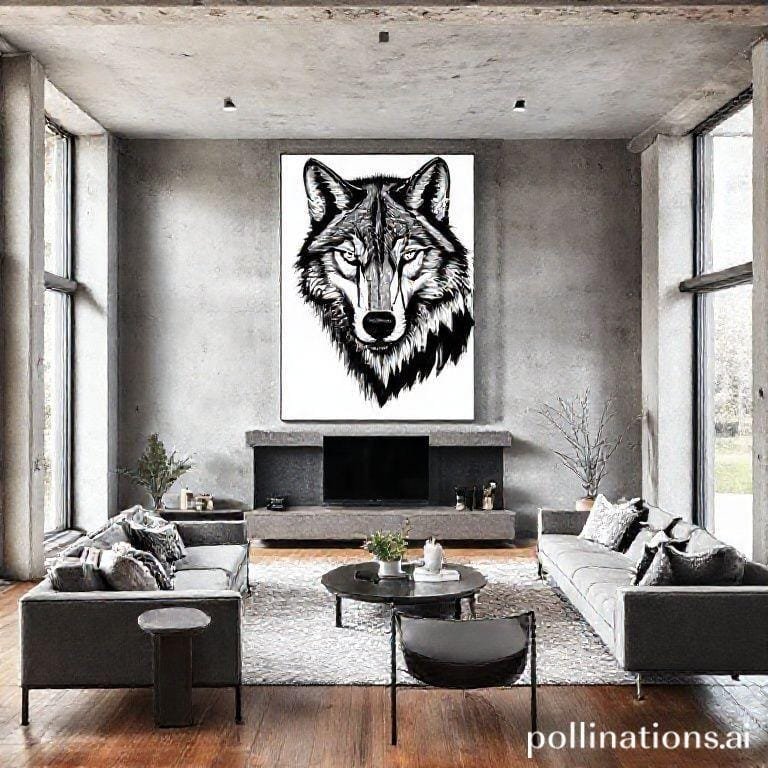
In a world filled with bright colors and constant visual noise, black and white art prints offer a peaceful break. Think of them like a quiet library in the middle of a noisy city—they bring calm and order. These prints have remained popular for generations because they offer a sophisticated look that never goes out of style.
Black and white art is like a reliable foundation for a house—it works with any design style. Unlike colorful art that can feel outdated quickly, monochrome pieces stay relevant year after year. They provide the structure that holds a room together, whether your home has modern furniture or traditional decor.
The Psychology of Black and White
Black and white art works on our minds differently than colorful art. Without colors to distract us, our brains focus on shapes, textures, and contrasts. This is like reading a book without pictures—you pay more attention to the story itself. Research shows that people often remember black and white images better and feel stronger emotions when viewing them.
Scientists have found that our brains process black and white images in unique ways. The simple color scheme makes it easier to understand shapes and boundaries, making the art feel more direct and powerful. This can create different moods—from dramatic tension to gentle calm. As photographer Ansel Adams once said:
“There are no forms in nature. There are only colors: one against another. In black and white photography, you must find the forms.”
This search for form creates a special connection between the viewer and the artwork.
Flexibility in Home Design
Black and white art is like a chameleon—it adapts to any room style. Whether your home has modern, traditional, or mixed furniture, these pieces blend in perfectly. They’re particularly useful in small spaces because they don’t make rooms feel crowded. The clean lines and lack of competing colors help rooms appear larger and more organized.
Design professionals often choose black and white art because it lasts through changing trends. As interior designer Nate Berkus explains:
“Black and white photography is the one thing I use in every project. It’s timeless, it’s graphic, and it works with every style.”
Working With Room Features
Black and white art complements architectural features without overpowering them. Think of it like a good supporting actor—it enhances the main performance without stealing the show. These prints can highlight beautiful moldings, emphasize ceiling lines, or create visual rhythm that matches room features.
In rooms with strong architectural elements like exposed brick or beam ceilings, black and white art provides contrast without distraction. The simplicity allows you to appreciate both the artwork and the room’s structure at the same time.
Creating Centerpieces
Black and white art naturally draws the eye, making it perfect for creating focal points. Our eyes are naturally attracted to contrast, much like how we notice a single candle flame in a dark room. These artworks become natural centerpieces that help organize furniture arrangements and room flow.
The key to successful focal points is understanding size and placement. A large black and white print above a sofa immediately becomes the room’s main feature, while smaller pieces can turn a hallway into an art experience.
Lasting Value Versus Passing Trends
While design trends come and go like fashion seasons, black and white art remains relevant across decades. This staying power comes from monochrome’s focus on the basic building blocks of art: line, form, and composition. Historical evidence shows black and white artwork appearing consistently in interior design through many style changes.
Data from art auctions shows that black and white pieces often maintain their value better than colorful works from the same periods. As design expert Michelle Ogundehin observes:
“The most successful interiors often feature a backbone of black and white, with color introduced through easily changeable elements. This approach creates spaces that feel both current and enduring.”
Practical Benefits
Beyond looking beautiful, black and white art offers practical advantages. The simple color scheme makes these pieces easier to incorporate into existing decor. They’re like basic building blocks that work with any color scheme. From a maintenance perspective, monochrome pieces often show less fading over time and are easier to photograph for documentation.
For families with children or pets, black and white art can be more durable because color changes have less impact on their appearance. They also work well in various lighting conditions, unlike colorful art that might need specific lighting to look its best.
Paw Creativ’s Collection
At Paw Creativ, we’ve created a collection of black and white animal prints that bring elegance and personality to any space. Our series includes everything from dramatic wildlife photos to graceful pet portraits, all using the timeless black and white palette. Each piece balances artistic quality with practical design needs.
Our collection offers the full range of black and white expression—from high-contrast images that command attention to softer pieces that create calm. We work with artists who understand how to use monochrome to highlight each animal’s unique features.
In summary, black and white art prints combine visual impact with design flexibility. They offer sophistication that outlasts temporary trends while providing the structural foundation that makes rooms feel intentional and cohesive. Their simplicity becomes a strength rather than a limitation, allowing basic artistic elements to shine without distraction.
Black and white art serves multiple purposes in interior design—creating focal points, enhancing architecture, establishing mood, and providing timeless anchors in changing decor. These pieces represent smart design choices that work well immediately and continue to satisfy over time.
In our visually busy world, the quiet strength of black and white art offers a welcome calm space. These pieces remind us that beauty often lies in simplicity, that contrast creates clarity, and that the most lasting designs often come from thoughtful limits rather than unlimited options.