
Your cart is currently empty!
Master the Art of Framing and Mounting
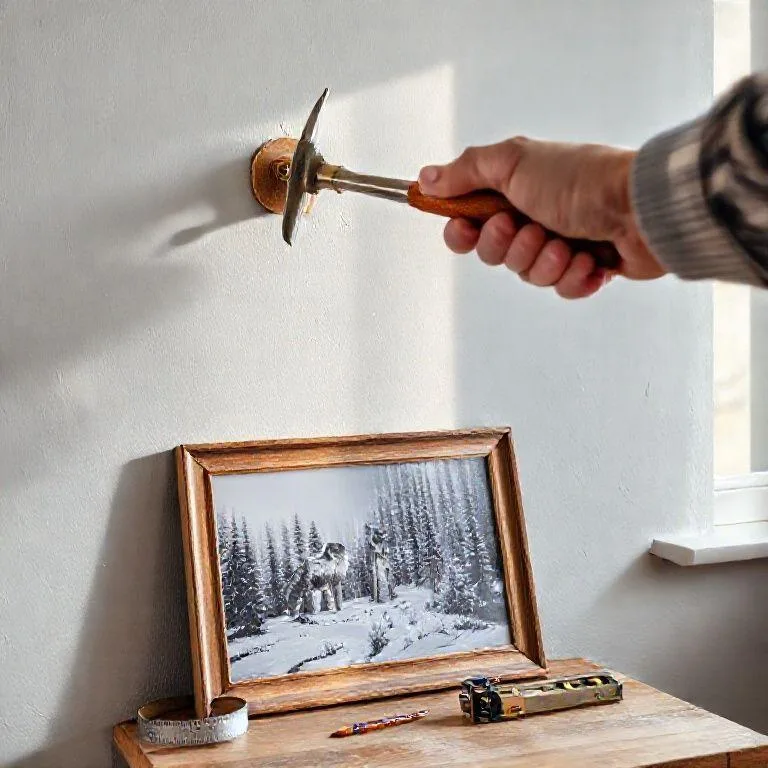
Your amazing new piece of wall art has arrived. The colors are bright, the picture is interesting, and it will change how your room looks. But before you can see its full effect, there is one important step: putting it in a frame and hanging it up. This last stage is not just about function; it is the bridge between a nice print and a polished, professional display that lifts up your whole room. A good frame and a safe way to hang it protect your purchase, make the artwork look better, and make sure it becomes a lasting center of attention. Whether you are showing off a favorite pet picture from Paw Creativ or a loved landscape, learning these skills is the key to a perfect presentation.
This guide will take you through the whole process, from picking the right frame style to using the correct hardware for your wall. We will explain the confusing words, look at creative choices besides the normal frame, and give you clear instructions for a safe, straight, and beautiful setup. When you are done, you will feel sure enough to turn any print, poster, or canvas into a piece that looks like it belongs in a gallery and shows off your personal style.
Chapter 1: The Base – Learning About Frame Kinds and What They Are Made Of
The frame is more than just an edge; it is a key design piece that goes with your art and helps explain it. The first choice you make is the material, which sets the feeling for the whole piece.
Wood Frames give you classic warmth and can be used in many ways. They go from rough, natural barnwood to smooth, stained walnut or painted looks. A thin, black wood frame can make a modern, simple look, while a thick, fancy gold-leaf frame brings to mind old-fashioned style. As framing experts have said,
“Wood gives strong support and a natural look that can be changed to fit almost any room style.”
Metal Frames, usually made of aluminum, are the choice for a current, clean-lined appearance. They are light, tough, and often have a thin shape that keeps all the attention on the artwork. Brushed nickel, satin black, and brushed bronze are popular finishes that look great in modern apartments, offices, and simple homes.
Acrylic (Float Frames) give a very modern answer, especially for canvases that are wrapped around wooden bars or prints you want to look like they are “floating” off the wall. These clear or lightly colored boxes make it seem like the art is hanging in mid-air, adding depth and a bit of artistic style. They are great for showing off the edges of a canvas or making a smooth, edge-to-edge look with some prints.
Chapter 2: The Helpers – Mats, Glass, and Backing
Behind the frame you can see is a world of parts that protect and improve your art. Knowing these pieces is important for a professional finish.
A mat (or mount board) is the colored paper border put between the artwork and the glass. It does several jobs: it stops the art from touching the glass, gives the picture visual space to breathe, and can be used to highlight certain colors in the piece. Mats come in a huge number of colors, textures, and thicknesses. A double or triple mat—using several layers of different colors—can add a lot of style and depth.
Glazing means the clear cover over the art, which is either glass or acrylic. Regular glass is cheap but can create glare and does not protect from UV light. For valuable art or pieces in sunny rooms, conservation-grade or museum glass is a good idea. This specially coated glass blocks 99% of UV rays to stop fading and has anti-glare qualities, making the art look like there is no glass in front of it at all. Acrylic glazing (like Plexiglas) is lighter and won’t shatter, which is perfect for large pieces or homes with kids.
The backing board, often acid-free foam core, gives firm support. Using acid-free materials for both the mat and backing is absolutely necessary for keeping paper-based art safe, because acidic materials will turn yellow and damage the paper over years. The whole “package”—art, mat, glazing, and backing—is held tight inside the frame with points or tabs and is closed with a paper dust cover on the back for a clean finish.
Chapter 3: No-Frame Choices – Creative Other Ways Besides Normal Frames
Not all art needs a regular frame. Several creative ways to mount it can give you a bold, modern look that makes a strong statement.
Gallery Wrapping is the normal way for canvases, where the picture is printed on canvas and pulled tight over a wooden stretcher bar frame. The design goes around the sides, making a finished look that does not need an outside frame. This method gives a painterly, natural feel that works perfectly with Paw Creativ’s bright animal portraits, making the subject seem to jump off the wall.
Mounting on Foam Board or Gator Board makes a stiff, light panel. The print is glued forever to the board, and the edges can be finished with colored tape or left plain. This gives you a smooth, frameless look that is perfect for a united, modern gallery wall.
Floating Frames, as talked about before, use clear acrylic or a very thin metal channel to hold the art, making a small space between the art and the wall. This throws a soft shadow, adding a feeling of space and a modern edge.
Clip Frames are a simple, cheap choice where the art is held between two sheets of glass or acrylic and held with metal clips at the corners. While they protect less, they give a clean, industrial look good for short-term displays or light posters.
Chapter 4: The Skill of Placement – Planning Where Things Go
Before you drill even one hole, planning is very important. Where you put your art changes the feeling of a room a lot.
The normal rule is to hang artwork so the center of the piece is about 57 to 60 inches from the floor. This lines up with the average person’s eye level and makes a nice viewing experience in a room. Of course, change this for furniture: art put above a sofa or table should usually have its bottom edge 6 to 8 inches above the furniture.
For a gallery wall, lay out your arrangement on the floor first. Try different layouts—a matching grid for order, or a natural cluster for mixed energy. Use paper cutouts the size of each frame, tape them to the wall, and look at the layout for a day. This stops you from making a wall full of holes you do not need. Remember to think about spacing; 2 to 3 inches between frames is a good general rule for a group that looks like it belongs together.
Think about the room’s lighting. Do not put watercolors or delicate prints in direct, strong sunlight to stop fading. Instead, use the artwork to balance a room’s visual weight. A large piece can hold down a blank wall, while a set of smaller works can fill a long hallway.
Chapter 5: Hardware and Tools – Picking the Right Support System
The strength of your display depends on the hardware. Matching the hardware to your wall type and how heavy your artwork is is very important.
For most framed art on drywall, the fastener to use is a picture hook or a nail-in hook. These are put in at an angle to hold weight safely. For heavier pieces (over 20 lbs), use a wall anchor like a toggle bolt or a plastic anchor with a screw. Always drill a small starter hole for anchors to stop drywall damage.
If you are lucky enough to hit a wood stud, you can use a normal screw for the safest hold possible. Use a stud finder to find them. For plaster walls, be extra careful to avoid cracking; use anchors made for plaster and drill slowly.
D-rings attached to the back of the frame, connected with wire or sawtooth hangers, are the normal way to hang. For a perfectly straight hang every time, use two hooks or nails spaced apart, which stops the frame from moving. Important tools include a level, a measuring tape, a pencil, a hammer, and a drill. A laser level can be very helpful for gallery walls.
Chapter 6: The Mounting Process – A Step-by-Step Guide
Now, let’s put it all together. Follow these steps for an installation that looks like a pro did it.
Step 1: Get the Art Ready. Make sure your print is clean, and if you are framing it, that it is properly set up with mat and glass. Attach your chosen hanging hardware (D-rings) to the back of the frame, about one-third down from the top. Connect them with picture wire, leaving a little extra.
Step 2: Mark the Wall. Decide on your height (remember the 57-60 inch center rule). Measure the distance from the top of the tight picture wire to the top of the frame. Add this measurement to your desired top-of-frame height. This is where your hook will go. Mark this spot lightly with a pencil.
Step 3: Put In the Hardware. At your pencil mark, put in the right hook or anchor. For a nail-in hook, hammer it in at a downward angle. For an anchor, drill the starter hole, put in the anchor, and then drive in the screw, leaving enough sticking out to hang the wire.
Step 4: Hang and Make It Level. Carefully hang the frame on the hook. Put a level on top of the frame. If it is not straight, gently move the wire on one side of the D-ring until it sits perfectly. For a frameless canvas or foam board mount, you might use a French cleat system—a matching pair of brackets that lock together and give very safe, flat-to-the-wall mounting.
Chapter 7: Taking Care of Your Displayed Art
Your work is not done once the art is up. Taking care of it the right way makes sure it stays beautiful for years.
Avoid hanging art in places with high moisture (like bathrooms without a fan) or big changes in temperature, which can bend paper and canvas. Dust frames and glass regularly with a soft, dry microfiber cloth. For glass, a mild glass cleaner can be used, but do not spray it right onto the frame; spray it onto the cloth instead.
Every so often, check how tight the wire and hardware are on the back of the frame. Over time, shaking can loosen screws. If you have valuable original art, think about the lighting. LED lights give off very little UV light and heat, making them the safest choice for lighting your pieces without risk of damage.
When it is time for a change, take out the hardware carefully. For nails or hooks, wiggle them out gently to make as little wall damage as possible. Small holes can be filled easily with a bit of spackle.
Framing and mounting are the last, changing steps in the journey of bringing art into your home. They need thought, care, and a bit of technical knowledge, but the reward is a perfectly shown piece that grabs attention and shows your personal style. From picking a frame that makes the mood of your Paw Creativ wolf poster better to safely mounting a canvas that becomes a room’s main feature, these skills let you choose pieces for a home that really tells your story.
Remember, the right presentation protects your purchase and makes its visual effect as big as possible. Do not let a beautiful print sit in a tube or lean against a wall. Take the time to frame it with thought and hang it safely. Your walls are a canvas, and your art is the masterpiece. Ready to find the perfect subject to practice these skills on? Look through the chosen collection of animal-themed wall art at Paw Creativ, where every piece is made to create a connection and lift up your space with professional-quality prints just waiting for your perfect frame.