
Your cart is currently empty!
Sustainable Wall Art for a Greener Home
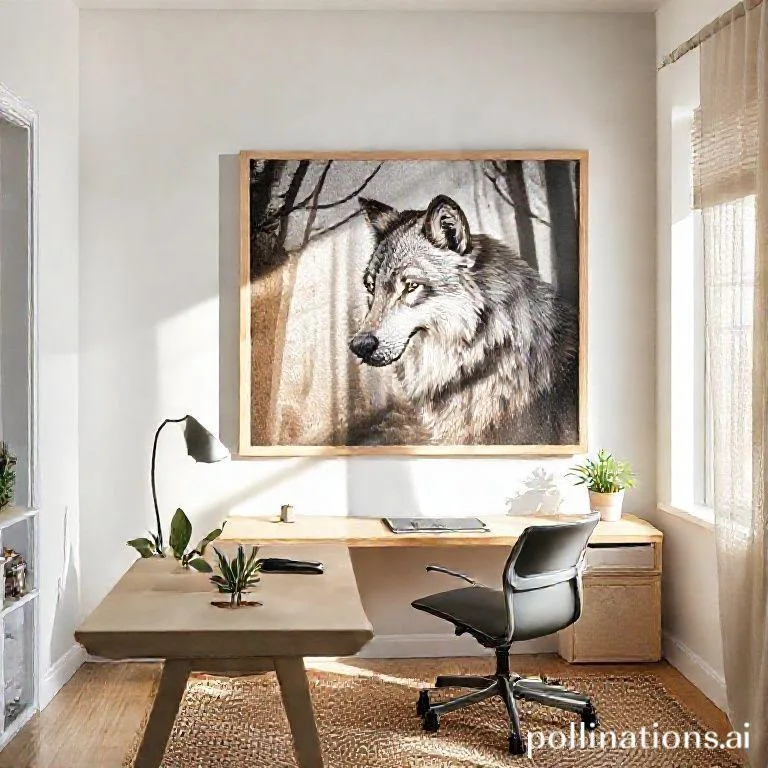
Today, we think a lot about how our choices affect the environment. This thinking goes beyond just picking energy-saving appliances or recycled furniture. The pictures and art we hang on our walls are like a mirror—they show what we care about and how committed we are to protecting our planet. Choosing sustainable wall art isn’t just a passing style; it’s a thoughtful choice to mix beautiful design with care for the Earth. This idea asks us to look at the whole life of our decorations. We should consider where the materials come from, what kind of inks are used, how the art is made, and how long it will last. When we choose eco-friendly art, we do two important things: we make our homes healthier, and we support a system that values skilled work and protecting nature. Think of it as voting with your wallet for a better world. This guide will explain the key parts of sustainable wall art, helping you make smart choices that show you love great design and a healthy planet.
Understanding Sustainable Materials: The Building Blocks
Every piece of eco-friendly wall art starts with its materials. Think of these as the building blocks. Regular art often uses paper from forests that aren’t managed well or fake canvas made from oil. Sustainable art is different. It chooses materials that are renewable, recycled, or grow back quickly. Here’s what to look for:
- Paper: Look for paper with an FSC label. This means the wood pulp comes from forests that are taken care of responsibly. Even better is paper made from 100% recycled stuff, which gives old waste materials a new purpose.
- Canvas: Great choices are organic cotton or hemp. They need fewer chemicals and less water to grow than regular cotton. Bamboo is another top pick because it shoots up like a rocket, growing incredibly fast.
The Sustainable Furnishings Council points out a key idea:
“The most sustainable product is the one that already exists.”
This means you should also look for art printed on reclaimed or upcycled materials. This adds a special, one-of-a-kind story to your decoration. The feel and quality of these green materials are often just as good as, if not better than, regular ones, adding a rich texture you can see and touch.
The Importance of Eco-Friendly Inks and Pigments: The Art’s Lifeblood
If the canvas or paper is the body of the art, then the inks are its lifeblood. Regular inks, called solvent-based, can release harmful gases into your home’s air. This is like a silent form of indoor pollution. Sustainable wall art uses safer inks that are low in these gases or have none at all. These are usually water-based or cured with UV light.
Soy-based and vegetable-based inks are standouts. They come from plants like soybeans or corn, which we can grow again. They give bright colors and are also easier to remove when paper is recycled, helping the whole recycling process run smoother.
Also, look for pigment-based inks that are made to last. They resist fading from light much better than dye-based inks. This means your art won’t get dull quickly and need to be thrown away—which is a core part of being sustainable. Don’t be shy to ask the artist or seller what inks they use. A focus on safe, plant-based colors is a clear sign they care about the environment every step of the way.
Ethical Production and Artisan Support: The Human Element
True sustainability is about two things: caring for the Earth and caring for people. Making wall art should respect both the planet and the workers. This means finding artists and companies that pay fair wages, provide safe places to work, and often have a direct link to the craftsperson.
Many sustainable art brands make pieces only when someone orders them. This is like baking a cake only when it’s been ordered—it cuts down hugely on waste from making too much or having unsold stock. Supporting small local artists or studios does two good things: it cuts down on pollution from long-distance shipping, and it helps your own community’s creative spirit grow.
You can also choose art that gives back. Some groups team up with environmental charities. A part of what you pay might go to planting trees, protecting animals, or cleaning oceans. As the famous environmentalist Jane Goodall has said:
“What you do makes a difference, and you have to decide what kind of difference you want to make.”
Picking art from honest, ethical creators lets your purchase make a positive ripple effect in many ways.
Longevity and Timeless Design: Art That Lasts
The greenest piece of art is one you love and keep forever. In a world of fast-changing trends and throwaway decorations, choosing art with a timeless style is a powerful way to conserve. This means looking past what’s just popular now and picking pieces that really speak to you personally.
Art that shows the lasting beauty of nature—like amazing animals, calm landscapes, or detailed plants—often has this timeless quality. Using high-quality, durable materials and printing methods helps the art stay beautiful as it gets older. Think about the frame too. Choose frames made from FSC-certified wood, old reclaimed wood, or recycled metal instead of cheap, flimsy materials.
A well-made, classic piece avoids the trap of being tossed out when styles change. This reduces waste. By collecting meaningful, quality art, you build a home that shows thoughtfulness and stable choices, stepping away from the habit of always buying new things.
Spotlight on Paw Creativ: Where Art Meets Ethos
For those wanting to live by these ideas without giving up on style, Paw Creativ is a perfect example. They specialize in animal-themed wall art and home decor. Paw Creativ is like a bridge—it connects a love for the natural world with a solid promise to use sustainable methods.
Every piece starts with deep respect for its subject, whether it’s a dolphin leaping or the delicate wings of a butterfly. They capture the spirit of wildlife in art that feels both lively and respectful. The company focuses on earth-friendly production, using high-quality sustainable paper and safe, low-gas inks. This ensures every print is as gentle on the planet as it is gorgeous on your wall.
By offering art that celebrates animals, Paw Creativ helps you feel connected to nature every day, reminding us of what we’re working to save. Their collections let you create a united, nature-inspired gallery in your home. This gallery tells a story of beauty, responsibility, and love for all living things. You can explore their gallery at pawcreativ.com to see how your walls can become a statement for sustainable living.
Making Your Sustainable Choice: Your Action Plan
Now that you have the knowledge, how do you use it? Start by being curious and asking questions. When you’re looking to buy art, ask about where materials come from, what inks are used, and how it’s made. Look for trusty labels like FSC or Green Seal.
Choose quality over quantity. One amazing, sustainably-made piece is worth more than several ordinary ones made the old way. Think about the art’s subject—art inspired by nature naturally reminds you why you made a green choice.
Finally, consider the art’s future. Can the materials be recycled or composted easily? Some creative companies even have programs to take back old pieces. Remember, your wall space is like a blank canvas for your values. By choosing sustainable art, you create a home that isn’t just nice to look at, but also matches a philosophy of care for the people who will come after us. It’s a quiet but strong statement that beauty and responsibility can, and should, go hand in hand.
Choosing sustainable wall art is a big step toward making a home that shows both your personal style and your care for the planet. From the renewable materials and safe inks to the fair production and lasting designs, every choice adds to a bigger story of thoughtful buying. It turns your living space into a peaceful place that appreciates nature’s beauty while helping to protect it. By supporting artists and brands like Paw Creativ, who bake these values into everything they do, you’re investing in more than just decoration. You’re investing in a hope for a healthier, more beautiful world. Let your walls tell a story of hope, duty, and deep wonder for the amazing planet we all share.