
Your cart is currently empty!
Transform Your Home with Perfect Wall Art
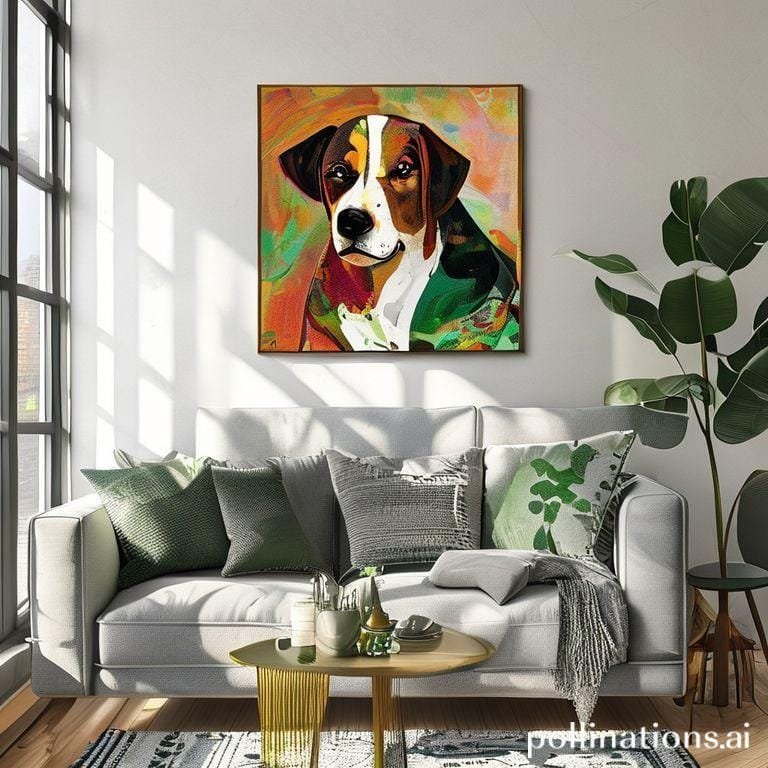
Think of your walls as a blank page in a storybook. They have the power to change a building into your personal haven, a simple area into your private retreat, and an empty spot into a mirror of who you are. But, going from a bare wall to a beautiful display can seem like a tough puzzle. How do you pick something that fits the size of your wall and feels right to you, while also matching your furniture and style? The perfect wall art isn’t just something pretty to look at. It’s the final piece that makes a room feel complete, creates a feeling, and brings a smile to your face every day.
This guide is like your friendly map through the world of wall art. We’ll skip the guessing game and give you clear, expert tips for choosing art that works with your room’s size, colors, and style. Whether you’re fixing up a small apartment or a big house, these ideas will help you build a place that feels truly like you. Let’s look at how to measure your space, learn about colors, pick your style, and finally, find the art that feels like it’s talking just to you.
Getting the Size Just Right
The biggest slip-up people make with wall art is choosing the wrong size. A piece that’s too tiny can seem lonely and unimportant, like a single pea on a big plate. One that’s too huge can swallow the room and feel like it’s crowding you. The secret is to find a peaceful balance by thinking carefully about scale, which is how things look next to each other.
First, use a tape measure on your wall and any furniture you’ll put the art near. A good rule to follow is that the art should cover about two-thirds to three-quarters of the width of the furniture below it. For example, if your couch is 84 inches wide, look for art between 56 and 63 inches wide. For a wall by itself, like in a hallway, the art should take up a good chunk of the wall without bumping into the ceiling or floor—leaving a border of 6 to 12 inches on all sides usually looks best.
Height is just as important. Hang art at eye level, which is normally 57 to 60 inches from the floor to the middle of the piece. This makes a natural spot for your eyes to land that feels welcoming. In rooms with tall ceilings, you can choose larger art or even make a bold, vertical statement. For smaller rooms, think about using several smaller pieces in a group, called a gallery wall. This divides the space visually without the weight of one giant piece. As famous interior designer Nate Berkus says,
“Scale is everything. Don’t be afraid to go big. A large piece of art can actually make a small room feel larger by creating a focal point that draws the eye in.”
Remember, you want the art to feel like it was always meant to be there, not like you forgot about it until the last minute.
Making Friends with Your Color Scheme
Color is like the feeling or mood of a room. Your wall art should either match the mood you already have or start a new, exciting one. There are two main ways to do this: blending in or standing out.
The blending in method means picking art that has colors you already see in your room’s pillows, rugs, or other decorations. This creates a smooth, calm, and organized look. For instance, if your living room has navy blue, cream, and gold, a painting with those same colors will fit right in. It’s a safe and classy plan that strengthens the room’s color theme.
The standing out method is for people who love a little excitement. Here, you use the art to bring in one or two bright colors that aren’t anywhere else in the room. This makes the art jump out and become the clear star of the show. A bright, abstract painting with strong reds and oranges can wake up a quiet gray and white bedroom. The trick is to not overdo it—let the art be the only source of that pop of color. You could then use that same bright hue in one or two tiny decorations, like a small pillow, to create a subtle link.
Also, think about the feeling you want the room to have. Cool colors like blues and greens are relaxing and great for bedrooms or offices. Warm colors like reds, yellows, and oranges are lively and good for living rooms or dining areas. A piece in just black and white can add a sharp, classic style to any room, acting like a neutral anchor among other colors.
Picking Your Room’s Story and Feeling
Art should help tell the story of what the room is for. The theme you choose is like the plot, making sure your decorations feel planned, not random.
- For a living room, which is often for hanging out, choose art that is interesting, starts conversations, and shows your hobbies or travels. This could be a big nature photo, a lively abstract piece, or a group of family photos and cool prints. The feeling here is usually welcoming and full of expression.
- A bedroom needs peace and personal meaning. This is the spot for art that calms you—think soft abstracts, gentle scenes of nature, plant drawings, or special personal photos. The theme should be restful. Avoid anything too busy or loud.
- The home office gets a boost from art that helps you focus and think creatively. This could be encouraging words, building plans, maps, or abstract art with clean shapes. The theme here is getting things done and feeling inspired.
- For dining rooms, think about art that makes you hungry and gets people talking. Paintings of food, colorful abstracts, or items from other cultures can create a fun and inviting mood. Kitchens often go well with playful, food-related art or happy, bright prints that add morning energy.
Choosing a clear theme for each room makes your search much easier and creates a connected experience as you walk through your home.
The Importance of the Frame and How You Show It
A great piece of art can be made even better or much worse by its frame. Framing isn’t just a protective edge; it’s part of the artwork and a key piece of your room’s design.
The frame should look good with both the art and your style. A simple, thin black or metal frame gives a modern look that lets the artwork shine. A fancy, gold frame adds traditional beauty, perfect for classic paintings or a room with old-fashioned furniture. A natural wood frame brings warmth and a cozy or simple feel.
Also think about the mat—the border between the art and the frame. A wide white mat can make a small piece seem more important. A colored or textured mat can add depth and connect the art to your room’s colors. For a gallery wall, using the same frames and mats creates a neat, collected look. For a more mixed collection, use different frame styles but keep one thing the same, like all wood colors, to hold everything together visually.
How you arrange many pieces matters too. A neat grid is clean and organized, while a looser, uneven group feels personal and dynamic. Putting smaller pieces on a shelf is an easy way to show art and lets you change it whenever you want.
Deciding Between Original Art and Prints
This is a personal choice about your budget, what you like, and what you value. Original art, like a painting or photo from the artist, has a special feeling and story. It’s a one-of-a-kind purchase that helps artists directly. You can see the texture of the paint, the artist’s touch, and know that nobody else has the exact same piece. This can bring great happiness to your home.
High-quality prints, on the other hand, make art something everyone can have. They let you own a copy of a famous masterpiece or a modern design you love for less money. The key is quality. Look for prints on good paper with inks that won’t fade. A well-made print can look almost as amazing as the original. Many online places, including Paw Creativ, offer excellent prints that let you bring beautiful, themed art into your home. As art consultant Megan Fox notes,
“The emotional connection to a piece is what matters most. Whether it’s an original or a print, if it moves you and fits your space, it’s the right choice.”
Think about mixing both in your home. Buy an original piece for a main wall, and use thoughtful prints for other spaces to finish your themed look.
Celebrating Your Pet with Paw Creativ
For many of us, our homes are not just about our style, but also safe places for our pets. What if your wall art could celebrate that special friendship? This is where a themed and very personal choice can truly turn a house into a home. Imagine art that shows the fun energy of your dog, the sleek beauty of your cat, or the quiet dignity of other animal friends.
At Paw Creativ, we focus on turning that love into beautiful, high-quality wall art. Our collection is made for animal lovers who want their decorations to tell their own story. We understand the ideas in this guide—size, color, theme, and quality—and use them to make pieces that aren’t just about pets, but are real works of art that make any space better.
Whether your style is modern and simple, country cozy, or a fun mix, you can find art that fits. A large, peaceful picture of a sleeping cat can be perfect for a bedroom’s calm theme. A bright, pop-art portrait of your dog can be the energetic center your living room needs. A set of plant drawings with faint animal shapes can add a touch of fun to a home office. By choosing art with animals, you’re not just decorating; you’re honoring the family members who fill your home with life and love.
We invite you to look through our selected galleries at pawcreativ.com. Use the tips from this guide—measure your wall, think about your colors, decide your room’s feeling—and find the perfect piece that brings your space, and your love for pets, together in harmony.
Choosing the right wall art is a trip to show who you are. It asks you to look at your space carefully but kindly, to understand how colors and shapes work together, and to pick pieces that feel personal. By getting the size right, making colors work together, picking a theme, and thinking about how to show it, you move from just covering a blank wall to carefully creating a place that inspires and comforts you.
Remember, the “rules” are more like helpful hints, not strict laws. The most important rule is that the art makes you happy. It should be something you enjoy every day, a visual anchor that makes you feel steady and makes your space feel like it’s yours alone. Whether you love bold abstracts, quiet nature scenes, or the happy theme of animal friendship, let your choices show who you are and the life you want to live within your walls. Start your change today—your perfect piece is out there waiting for you.