
Your cart is currently empty!
How Wall Art Colors Shape Your Mood and Space
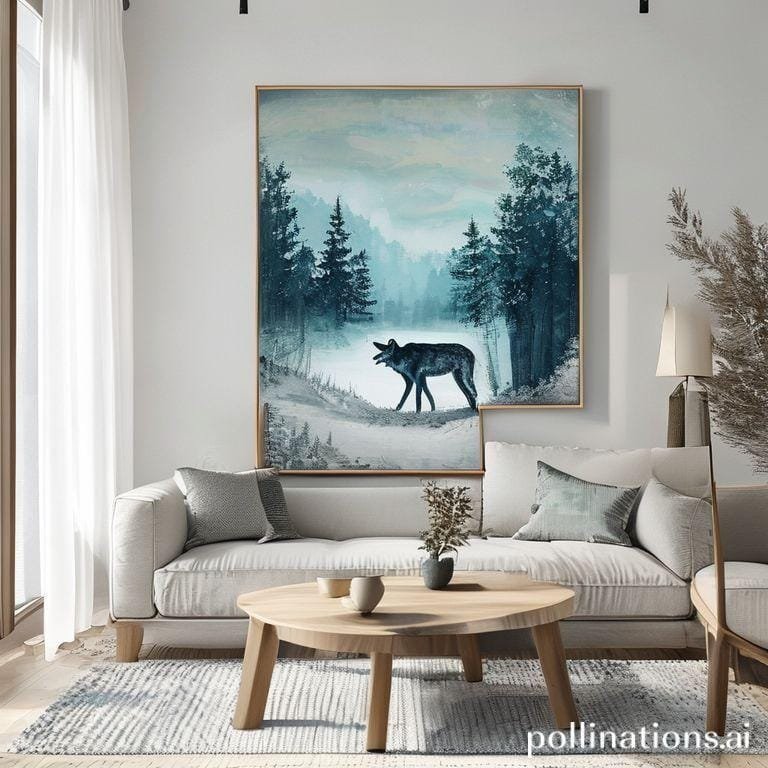
Have you ever walked into a room and immediately felt peaceful, or maybe full of energy? Furniture and lights matter, but the quiet leader of these feelings is often the color on the walls and in the artwork hanging there. The psychology of color is a strong, but often forgotten, tool in decorating your home. It’s more than just looking nice. It acts like a silent language that talks directly to your feelings, changing your mood, your actions, and even how big or small a space seems.
Getting this link is the secret to changing a building into a home that really matches and helps your inner life. Whether you want a quiet place to unwind, a lively spot for new ideas, or a cozy area for friends and family, the colors you pick for your wall art are your best helpers. This guide will explore the interesting mix of science and art behind color psychology. We’ll look at how specific colors affect your mind and how you can use their power to create a space that not only looks amazing but also feels perfectly matched to the mood and life you want.
The Science of Color and Feeling
The connection between color and emotion isn’t just a nice idea; it’s built into our bodies and minds. When light hits our eyes, our brain turns it into colors. This starts a chain reaction in a part of the brain that controls things like our heartbeat and feelings. Research has shown that colors can cause real physical changes. For example, seeing red can make you breathe faster and your heart beat quicker. Blue, on the other hand, often has a quieting, relaxing effect.
Our reaction is also shaped by our culture and personal memories. Some reactions are almost everyone’s—like linking green with nature and life. Others are learned. The color white might mean purity in one culture and sadness in another. But, the basic psychological ideas still work well inside our homes. As one expert said,
“Color is a form of energy… It has a direct effect on human beings.”
By choosing wall art with careful color choices, you are basically setting your room to give off a specific kind of energy that mixes with your own.
Warm Colors: Energy, Passion, and Comfort
Found in the red, orange, and yellow part of the color rainbow, warm colors remind us of fire, sun, and heat. They are “advancing” colors, which means they seem to jump out in a room, making big spaces feel cozier and closer. In wall art, these colors are great tools for sparking talk, hunger, and action.
- Red is the color of strength. It grabs your attention, boosts your energy, and stirs up strong feelings. A piece of art with bold red parts can be perfect for a dining room (where it encourages fun talk and eating) or an entryway (making a strong first impression). Because it’s so powerful, it’s often best used as a highlight, not the main color.
- Orange mixes the energy of red with the happiness of yellow. It brings up feelings of excitement, warmth, and creativity. It’s a great pick for a home office, playroom, or kitchen. Art with orange colors helps create a sense of fun and friendliness.
- Yellow, the color of sunshine, is tied to joy, hope, and mental energy. It can light up dark corners and get your brain working. Art with yellow can brighten a hallway or study. Be careful with the shade; soft yellows are inviting, but very bright yellows can make people feel uneasy.
Cool Colors: Calm, Focus, and Peace
Cool colors—blue, green, and purple—remind us of water, sky, and leaves. They are “receding” colors, making them perfect for helping small rooms look bigger. Art with these colors supports relaxation, focus, and a feeling of calm.
- Blue is loved everywhere for its calming power. It can lower your blood pressure and slow your heart rate, making it the classic color for bedrooms and bathrooms. Different shades offer choices: peaceful light blues create calm, while deep navy blue feels stable and classy. A large ocean picture can turn a bedroom into a real getaway.
- Green finds a perfect middle ground between cool blue and warm yellow. As the most common color in nature, it stands for growth, balance, and new beginnings. It is very easy on the eyes and mind. Art showing forests or plants brings the healing feeling of the outdoors inside, great for living rooms to lower stress.
- Purple has always been linked to luxury, wisdom, and creativity. Light lavenders are soft and romantic, good for bedrooms. Deep purples add a royal, bold touch to living areas. Art with purple can add a layer of style and creative spirit.
Neutrals and Earth Colors: Stability and Flexibility
Neutrals—white, black, gray, beige, and brown—are the base of any room. They provide balance, let other colors stand out, and create a feeling of steadiness and classic style. In wall art, they are often used to add texture, depth, and a link to the natural world.
- White means purity, simplicity, and openness. It makes a room feel bigger and gives a clean background. Black-and-white photos create a modern, sharp look that feels both open and focused.
- Black shows power, elegance, and mystery. Used in art, it creates strong lines and contrast. A dramatic black-framed picture can be the anchor of a room and add a touch of modern style.
- Browns, Tans, and Beiges are the main earth colors, reminding us of wood, stone, and dirt. They create a warm, stable, and dependable feeling. Art with these colors brings an organic, comforting, and real feel to any space, promoting safety and connection.
Making It Work Together: Color Plans in Action
Knowing what single colors mean is just the start. The real magic happens when you mix them into pleasing plans that help your room’s purpose. Here are three common ways to do it:
- Monochromatic Plans use different light and dark versions of one color. This plan is naturally balanced, calming, and stylish. It creates a united, visually relaxing space.
- Analogous Plans use colors that are neighbors on the color wheel, like blue, blue-green, and green. This plan is easy on the eyes and is often seen in nature. It’s perfect for creating a soft, detailed mood.
- Complementary Plans use colors directly across from each other on the wheel, like blue and orange. This creates the strongest difference and visual excitement. It’s ideal for making a bold statement.
Picking Art for Your Room: A How-To Guide
So, how do you use this information? First, decide the main job and the mood you want for the room. Is it for rest, work, hanging out, or creating? Let that guide your choice of color family. Next, think about what’s already in the room: furniture, floors, and lights. Your wall art should work with these things, not fight them.
Size and where you put it are very important. One large, colorful piece can define a room. A group of smaller pieces in a matching color set can tell a story. Don’t be scared to let the art be the star. If you choose a bright, emotional piece, you might balance it with quieter furniture.
In the end, while the ideas give a good map, what you personally love is most important. The best room is one where the colors in your art not only follow the rules of psychology but also talk straight to your heart, creating a space that is uniquely and truly yours.
The colors we live with are much more than just decoration; they are active players in our everyday lives. They shape our moods, change how much we get done, and define the personality of our homes. By understanding the psychology behind energetic reds, quiet blues, stable neutrals, and good combinations, you get the power to purposely design a space that helps you feel good. Your wall art is the most personal and powerful way to show this goal. It’s a chance to fill your space with the exact emotional feeling you want. So, look past just what looks pretty. Choose art whose colors connect with the life you want to live inside those walls. Let your walls do more than just hold up the roof—let them talk, soothe, inspire, and energize.