
Your cart is currently empty!
Master the Art of Framing and Mounting
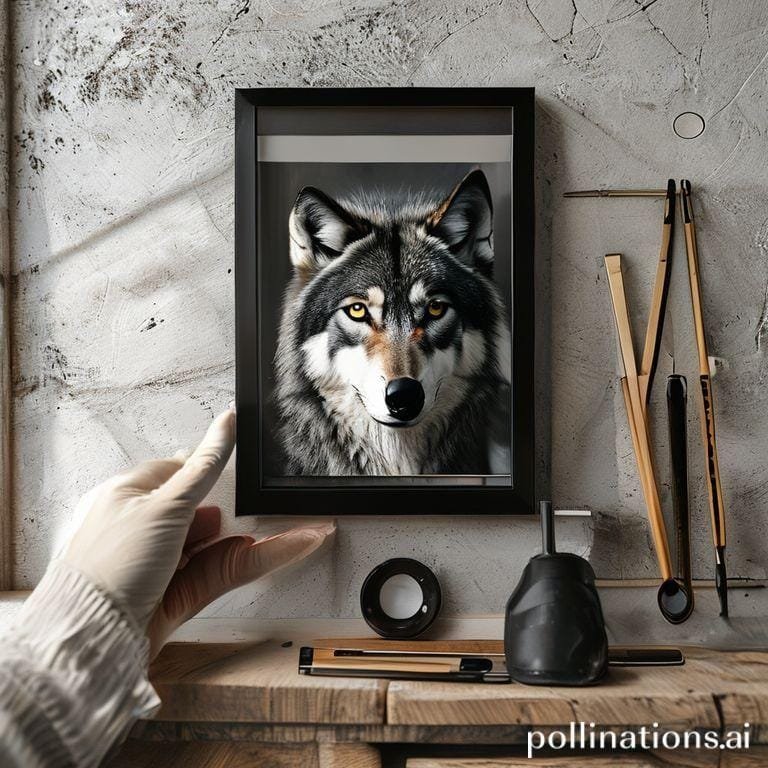
You’ve found a piece of art you love. It might remind you of a happy memory or just make you feel good. But getting it from a rolled-up poster or a canvas to a beautiful spot on your wall has one very important step: framing and mounting. Think of this not as a boring chore, but as the final touch that makes your art look amazing. Good framing is like a suit of armor for your art—it protects it from dust, sunlight, and damp air. Good mounting makes sure it hangs straight and looks perfect. Whether it’s a colorful animal picture from Paw Creativ, an old family photo, or a modern design, doing this right shows respect for the art and makes your room look better.
The Base Layer: Picking the Right Frame
Choosing a frame isn’t just about putting a border around something. It’s about starting a conversation between the art and the room. The frame should help the art shine, not fight with it. For a bold, modern animal portrait, a simple, thin black or wood frame can give a clean look that makes you focus on the animal’s eyes or action. On the other hand, a classic nature scene might look better with a wider, more decorated wood frame that has a warm color.
Think about your room’s style. Is it simple, rustic, or full of different things? The frame can be a bridge. A metal frame can match other metal decorations in the room. A rough wood frame can make a cozy room feel even cozier. Don’t forget the mat—that’s the colored paper border inside the frame. A good mat gives the art some space to breathe and makes it look better. Two mats in colors that go well together can make a small print look very fancy. As the experts at Paw Creativ say,
The right frame doesn’t just hold the art; it completes the story it tells in your home.
What It’s Made Of: Wood, Metal, and Plastic
The material of the frame decides both its style and how strong it is. Wood frames are classic and work with almost anything. From light pine to dark walnut, wood adds warmth and feeling. They are great for most homes and can be stained to match your furniture. Metal frames, usually aluminum, give a sleek, modern, or industrial look. They are very strong, often lighter than wood, and don’t bend out of shape. Their clean lines are perfect for modern art.
For a very modern and protective choice, think about acrylic box frames. These make the art look like it’s floating between two clear plastic sheets. They block harmful UV rays from the sun (which is key to stopping colors from fading) and keep dust out. This makes them great for protecting nice prints in bright rooms. Each material has a job: wood for warmth, metal for strength and a modern look, and acrylic for protection and a floating display.
Getting It Secure: Mounting Canvases and Paper
Mounting is how you attach your artwork to its back or inside its frame. The method changes completely depending on what the art is made of. For canvas art, like the kind stretched over wooden bars, the mounting is usually already done. These are ready to hang by themselves, giving a clean look without a frame that shows off the painting’s texture. For bigger canvases, you can add a clamp or a wire to the wooden bars for extra safety.
For paper prints and posters, mounting stops them from curling or drooping. The two main ways are dry mounting and hinge mounting. Dry mounting uses a special heat-activated glue to stick the print forever to a stiff board. This makes it perfectly flat and professional, but you can’t undo it. Hinge mounting, using special acid-free tape or corners, can be undone and is better for valuable prints. It lets the paper move naturally as air changes. Always use acid-free materials so the paper doesn’t turn yellow or get damaged over the years.
The Right Tools and How to Hang It
Even the best frame looks bad if it’s hung poorly. The right hardware depends on your wall and how heavy the art is. For normal drywall, a nail or picture hook is fine for light pieces. For medium-weight frames, use a wall anchor and a screw. For heavy canvases or big frames, you need special bolts that open up behind the wall for safety.
The hanging system on the art itself is just as important. D-rings with a wire are the best for framed pieces. They make it easy to get the art level and spread the weight out. Sawtooth hangers work for very small, light frames. For a clean look where the art sits flat against the wall, think about a French cleat system for heavy items. One step people often skip is measuring. Use a level and painter’s tape to plan where everything goes before you hammer anything. A good rule is to have the center of the artwork about 57 to 60 inches from the floor—right at most people’s eye level.
Shielding Your Art: Glass, Plastic, and Sun Protection
If your frame has glass or acrylic in front of the art, you’re adding a shield. Regular glass protects from dust and touching, but it doesn’t stop the sun’s ultraviolet (UV) rays, which can fade colors very quickly. For any art near a window, UV-filtering glass or acrylic is something you must get. It stops over 99% of the bad UV rays, keeping your art bright for much longer.
Anti-reflective glass is another great choice, especially for pieces across from windows or under bright lights. It cuts down on glare, so you can see the true colors and details without seeing your own reflection. For acrylic, look for kinds labeled “museum-grade” or “UV-protective.” It might cost more at first, but good protection keeps the beauty and value of your art for many years, making sure that powerful tiger’s stare or peaceful forest stays as vivid as when you first put it up.
Fun Ways to Show Your Art
Framing doesn’t have to be boring. Get creative with ways to show your collection that make it a lively part of your room. Make a gallery wall by mixing frames of different sizes, styles, and directions around one idea, like a group of Paw Creativ’s dog or bird pictures. Use one big, eye-catching piece as the main focus and arrange others around it.
Think about leaning bigger canvases or framed pieces on a fireplace mantel, shelf, or table for a relaxed, collected look. For a set of similar prints, try grid mounting—using the exact same frames spaced evenly in a perfect grid for a modern, unified statement. Floating shelves are very flexible, letting you easily change and move art, plants, and other items without making new holes in the wall. These ideas turn your art into a changing, interactive part of your home’s design.
Do-It-Yourself Framing Steps
Ready to try framing yourself? With patience and the correct tools, it can be very satisfying. Start by collecting your materials: your chosen frame, acid-free mat board (if you’re using one), a stiff backing board, the glass or acrylic, small metal points or a tool to drive them in, hanging hardware, and acid-free tape for hinge mounting.
- Clean the glass or acrylic very well.
- Build the “sandwich”: put the glass in the frame, then the mat (with the window facing down), then your artwork, centered carefully.
- Secure the artwork to the mat’s back using acid-free tape hinges just at the top edge, so it can still move a little.
- Add the stiff backing board.
- Secure everything in the frame using the small metal points pushed into the frame’s inner edge.
- Attach D-rings and wire to the back, about one-third of the way down from the top.
- Seal the back with special paper for a neat finish.
Take your time, measure carefully, and you’ll have a custom-framed treasure.
Taking Care of Your Framed Art
Once your art is up, taking good care of it will help it last. Dust the frame and glass often with a soft, dry cloth. Don’t use strong chemical cleaners on the glass, especially near the edge, because they can leak in and hurt the art. For a deeper clean, a slightly damp cloth followed by a dry one is safe. Pay attention to where the art is. Keep it away from direct heat like radiators, very damp air (like in a bathroom without a fan), and, as said before, direct sunlight. Every now and then, check that the hanging hardware is tight and the wire isn’t wearing out.
If you see the frame bending, wetness inside the glass, or the colors fading, it might be time for a professional to fix or reframe it. Taking care of your framed art saves not just the object, but the feeling and memory you get every time you look at it on your wall.
Framing and mounting are the last, necessary parts of your wall art’s story. They are the skills that change a simple poster into a personal prize and a blank wall into a display of your taste. By learning how frames, materials, and methods work together, you can show off any artwork—from a favorite photo to a cool animal portrait from Paw Creativ—with the respect and style it should have. It’s about making a safe home for your art to live. So, use these ideas, buy good materials, and don’t be scared to try new things. The perfect presentation doesn’t just guard your art; it makes your whole room better, turning your home into a gallery that tells your own story, one perfectly framed piece at a time.