Your cart is currently empty!
The Ultimate Wall Art Size Guide for Perfect Room Harmony
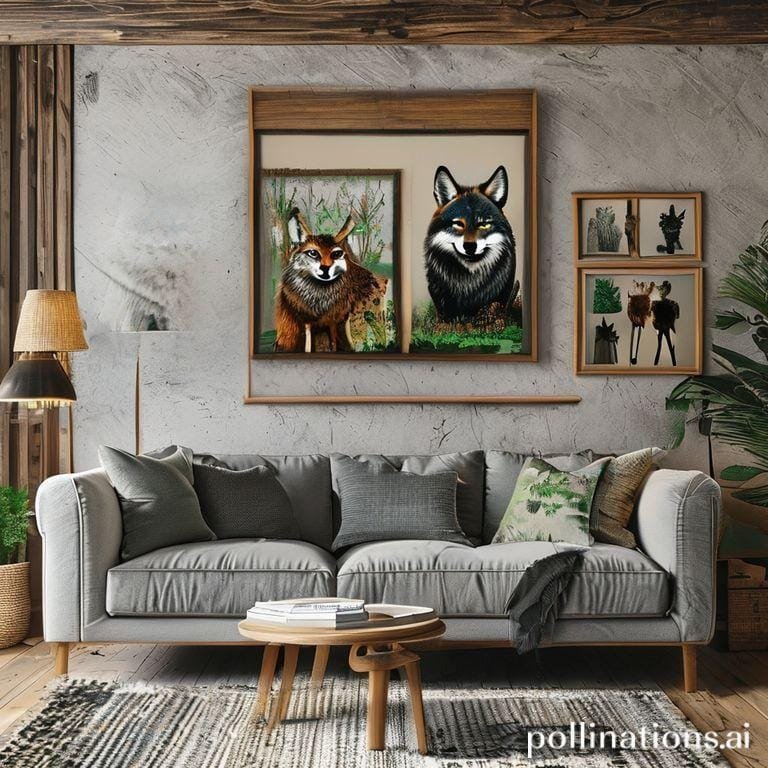
Have you ever bought a beautiful picture for your wall, hung it up, and felt like something was wrong? The colors look great, and it matches your room, but it just doesn’t feel right or look like it belongs. Most of the time, the problem isn’t the picture. It’s the size. Picking the right size for your wall art is the most important thing you can do to make a room look good and feel put together. It’s the difference between a picture that mumbles and one that shouts, between a wall that looks messy and one that looks carefully planned. This guide will explain the secrets of sizing. We’ll talk about common sizes, how they look, and the best rules for hanging art so your next piece—whether it’s a powerful lion or a calm forest scene from Paw Creativ—fits your space perfectly.
Why Size is More Important Than What It Looks Like
Before we talk about numbers, you need to understand how size changes how we see a room. The size of your artwork changes how big or small the room feels. A picture that’s too small on a big wall can make the room feel empty and make the art seem unimportant. This is a mistake designers see all the time. On the other hand, a huge picture in a small room can feel like it’s crushing you and take over the space instead of adding to it. The right size acts like an anchor. It creates a visual weight that balances the room. It makes a center point that draws your eye and helps organize the furniture around it. Think of your wall as one picture frame and your art as another frame inside it. The art should have a clear relationship with the edges of the wall and the furniture near it. Getting this balance right is the base of a room that looks professionally decorated.
Understanding Common Art Sizes and Where to Use Them
Let’s look at what common size labels mean and where they work best. Sizes are listed as width by height.
- Small (like 8″ x 10″ or 11″ x 14″): These are your accent pieces. They are perfect for making a gallery wall with many pictures, filling skinny spaces between windows, or adding character to a small spot like a bathroom or an entryway table. A group of small Paw Creativ animal prints can tell a fun story in a hallway.
- Medium (like 16″ x 20″ or 18″ x 24″): This is your flexible, all-purpose size. It’s great for hanging above a nightstand, a small desk, or a little couch. This size is big enough to be the main focus over a smaller piece of furniture all by itself. A strong 18″ x 24″ wolf picture can be the perfect anchor for a cozy reading corner.
- Large (like 24″ x 36″ or 30″ x 40″): This is your statement piece. It’s made to hang above important furniture like sofas, beds, or dining room cabinets. The golden rule here is that the art should be about 50-75% as wide as the furniture below it. This makes everything look connected and stable. A grand 30″ x 40″ tiger portrait becomes the clear heart of a living room when you hang it right over a sofa.
- Extra-Large (like 36″ x 48″ and bigger): These are for dramatic, big rooms with high ceilings or very large empty walls. They can be one amazing center point. Make sure there is plenty of empty wall space—at least 24 inches on all sides—to let a piece this big stand out and have its full effect.
The Best Rules for Hanging and Proportion
Knowing sizes is only half the job. Knowing where to put them is the other half. Follow these professional tips:
- The 57-Inch Center Rule: For one single piece, the middle of the artwork should be about 57 inches from the floor. This lines up with average eye level and makes it comfortable for most people to look at.
- The Furniture Relationship: When hanging art above a sofa, table, or headboard, the bottom of the frame should usually be 6 to 12 inches above the furniture. This visually links the two things without squishing them together.
- Filling the Wall: Try to have your artwork (or group of art) take up about two-thirds to three-quarters of the width of the wall or the furniture below it. This proportion naturally looks good to our eyes.
- Spacing in Gallery Walls: Keep the space between frames the same, usually 2 to 4 inches. This sameness turns a bunch of pictures into one united display instead of a scattered group.
Picking Size Based on the Room
Different rooms need different size strategies.
- Living Room: This is often the spot for your biggest, most eye-catching piece. Match its size to your sofa. A large horizontal canvas or a triptych (three panels that make one image) works great here. For a classy touch, think about a matching set from Paw Creativ‘s wildlife collections to make a theme for your room’s center point.
- Bedroom: Choose calm, horizontal, or square pictures above the headboard. The width should be less than the width of the bed itself. This creates a feeling of shelter and coziness. A wide, peaceful landscape with calm animals can make the relaxing mood even better.
- Dining Room: One large piece or a symmetrical pair can lift up the space. It should be wide enough to be interesting for people sitting at the table, but not so tall it feels like it’s looming over them. A wide forest or safari scene can start good conversations.
- Hallway & Staircases: These are perfect for a series of small to medium pieces. Create a visual path by lining up the centers along the slope of the stairs or by hanging a tall column of art in a narrow hallway.
Tools and Tricks to See It Before You Buy It
Don’t just guess. Use these methods to be certain:
- Painter’s Tape: Use painter’s tape to mark the exact size of the art you’re thinking about on your wall. Live with the outline for a day. Walk by it, look at it from different spots, and see how it feels in the room.
- Paper Templates: Tape sheets of newspaper or craft paper together to the size of the art. Hang it on the wall. This gives you a life-sized, flat version to check the scale and placement.
- Digital Tools: Many online stores, including Paw Creativ, have room visualizer tools. You can upload a photo of your room and digitally “place” the artwork on your wall to see how the style, color, and most importantly, the size will look in your real space.
- The Mock-Up: If you’re planning a gallery wall, cut out paper shapes for each frame, arrange them on the floor first, then move that arrangement to the wall using tape before you hammer any nails.
Common Size Mistakes and How to Fix Them
Avoid these frequent errors:
- The Floating Island: A tiny piece on a huge wall. Solution: Either pick a much bigger piece or build a gallery wall around the small piece to create a larger visual block.
- The Overcrowded Look: Art that is too wide for the furniture below it or doesn’t have enough space from the ceiling or trim. Solution: Remember the two-thirds width rule and leave at least 6-8 inches of space from moldings or ceilings.
- Ignoring Shape: A tall, vertical piece over a long, horizontal sofa. Solution: Match the shape of the art to the shape of the wall and furniture. Horizontal furniture usually needs horizontal or square art.
- Being Afraid of a Big Piece: Fear of going big often leads to a boring result. As designer Bobby Berk once said,
“Scale is everything. When in doubt, go bigger.”
One single, correctly sized large piece often makes more of an impact than several small ones.
Making Your Space Better with Perfectly Sized Animal Art
Once you know how to handle size and placement, the last step is choosing art you love. This is where using size to create a theme can really work well. Imagine a living room where a large, powerful wolf picture over the sofa sets the room’s mood. Then, medium-sized matching prints of forest animals on another wall, and a small, pretty bird print in a reading corner. This mix of sizes, all linked by a theme, creates depth, interest, and a professional, layered look. Paw Creativ is great at making this idea real. They offer a wonderful range of animal wall art in every size you can think of—from small accent pieces to giant statement canvases. Whether your style is simple and modern or rustic and cozy, finding art that fits your space, both in size and style, changes a room from just having stuff in it to being thoughtfully designed.
Choosing the right wall art size isn’t really about strict rules. It’s more about understanding visual balance and doing things on purpose. It’s the quiet language of good design that makes a room feel finished and smart. By using common sizes as a map, following the key hanging rules, and always testing it out first, you can confidently pick artwork that improves your space instead of disappearing in it. Remember, the goal is harmony. Let your furniture and room shape guide you. Don’t be scared to make a bold statement with size. Trust that a well-proportioned piece will always feel “right.” Ready to find your perfect fit? Look through the carefully chosen collections at Paw Creativ. Every piece of animal art isn’t just a pretty picture; it could be the main piece for your room’s look. Use this guide, measure your walls, and see how the perfect-sized artwork can finally make your room’s vision clear and complete.