
Your cart is currently empty!
Keep Your Wall Art Vibrant Forever
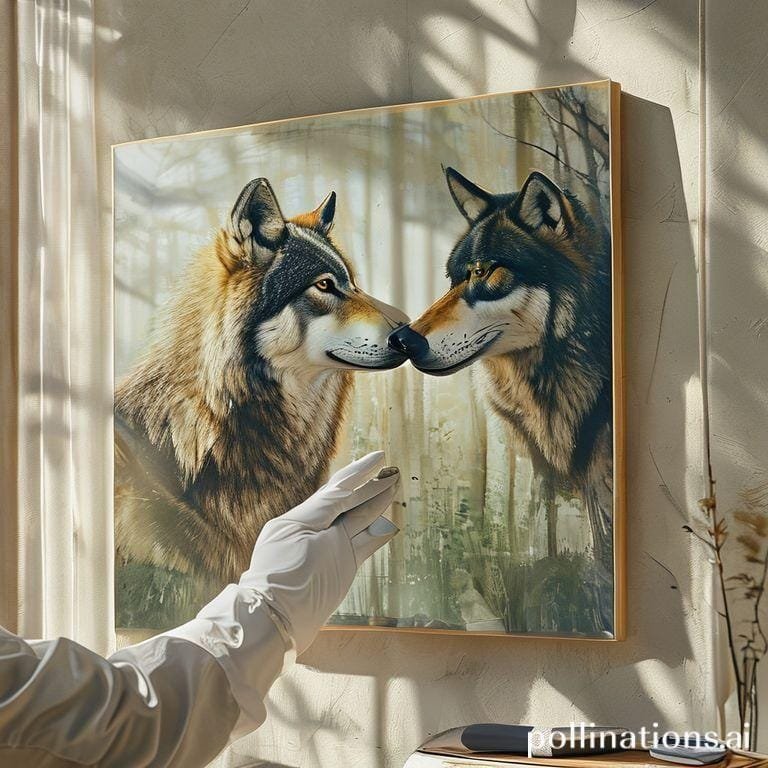
Think of your wall art not just as decoration, but as an investment in beauty. It’s like a mirror that shows your personality and a daily source of happiness. Whether it’s an amazing wildlife photo, a portrait of a beloved pet, or an abstract piece that feels special to you, taking good care of it makes sure it stays a bright centerpiece for years.
Many of us spend a lot of time and feeling picking the perfect piece. Then, we might see it fade, bend, or get dusty from simple lack of care. The good news is you don’t need to be a museum expert to keep your art looking brilliant. With a few key, easy steps, you can guard your prints from common problems like sunlight, damp air, and dust. This protects their color and quality.
This guide will take you through everything. We’ll talk about the science of inks that resist fading and the gentle skill of cleaning. This way, your whole collection—including those special pieces from Paw Creativ—stays as wonderful as the day you put it up. Let’s look at the basic care tips that will keep your wall art looking its very best.
Getting to Know What Your Art Print is Made Of
The first step in good care is knowing what you have. Not all prints are the same. The materials used affect how long they last and what they need. Most modern art prints, like the high-quality ones from Paw Creativ, use top-grade inks and premium papers or canvases. These special inks have colors that are very strong against fading. They are much better than older inks that can break down fast in light.
The base material—whether it’s smooth art paper, textured canvas, or sleek metal—is also very important. For example, canvas prints often have a protective layer. This makes them tougher and simpler to clean than paper without coating. As experts in preserving art say:
“The life of a print is a team effort between the quality of its materials and the world it lives in.”
Knowing if your print is behind glass, has a plastic layer, or is open to the air will decide how you clean and handle it. Taking time to understand these things is the solid ground for all good art care.
The Hidden Threat: Shielding Art from Light
Sunlight is the biggest danger to any art print. Think of ultraviolet (UV) rays as tiny, invisible bullets that break apart the molecules in inks and paper. This causes fading and yellowing that you can’t fix. This damage builds up slowly, and you often don’t see it until it’s too late.
To fight this, where you place your art is key. Don’t hang it in direct sunlight, especially in rooms with windows facing south. If you really want a piece in a bright spot, think about using special glass or plastic in the frame that filters out UV rays. Many professional framers point out that:
“UV-protective glass can stop up to 99% of the harmful rays. This can make the colors last two or three times longer.”
For canvas or metal prints that aren’t framed, make sure they have a UV-resistant top coat. Also, watch out for strong light from indoor spotlights or halogen bulbs. Using softer LED bulbs, which give off very little UV and heat, can light up your art beautifully without the risk. You can also switch artwork around with the seasons. Move pieces from bright spots to darker ones to give them a break. This helps your whole collection age evenly.
Learning the Skill of Gentle Cleaning
Dust and dirt in the air don’t just make your art look dull. Over many years, they can actually react with the surface and cause stains or tiny marks. Cleaning regularly and gently is important. But using the wrong method can cause scratches or water damage.
- For framed pieces with glass: Use a soft microfiber cloth. Dampen it lightly with water or a little glass cleaner sprayed on the cloth—never directly on the glass. Liquid can leak into the frame.
- For the frame itself: Use a dry, soft brush to gently remove dust from detailed edges.
- For unframed paper prints: Usually, just dust them very lightly with a clean, soft brush (like a big makeup brush). Hold the brush at an angle to avoid pressing down.
- For canvas prints: These are more durable. You can often gently wipe them with a slightly damp microfiber cloth.
A golden rule from art conservators is:
“When you’re unsure, do less. Always test a cleaner on a hidden corner first. Never use rough cloths, strong household cleaners, or too much water.”
Setting up a simple routine to dust your art every few months will keep it looking fresh. This way, you won’t need tougher cleaning later.
Managing the Air: Humidity and Temperature
Art is sensitive to the air around it. Changes in moisture and heat can make paper swell and shrink. This leads to waviness, bending, or even mold. Ideally, keep artwork in a stable place. The humidity should be between 40% and 50%, and the temperature should be steady and not extreme.
Avoid hanging art in bathrooms, kitchens, or basements where humidity often goes up and down. Also, don’t place art right above radiators, fireplaces, or air vents. The very dry heat or cold from these can be just as harmful. If you live in a very humid area, a dehumidifier in the room is a smart idea. For valuable pieces, you might use a small humidity monitor. Simple habits, like making sure air moves in the room, can stop damp, still air from sitting on your prints.
By creating a stable little environment, you protect the physical shape of the art. You keep it flat, secure, and safe from things like mold.
Handling and Framing the Right Way
How you touch and show your art is as important as the air around it. Always hold prints by the edges. Even better, wear soft cotton gloves. This stops oils and acids from your skin from getting on the surface.
When framing, use mats and backing boards that are acid-free. Regular cardboard has acids that will move into the paper over time. This makes the paper turn brown and get brittle. A good framer will use safe, archival materials. This creates a protective, neutral home for your art.
Make sure the frame is solid and the hardware for hanging is right for the weight of the piece. For bigger works, a wire connected by two D-rings on the back is usually more stable than a single sawtooth hanger.
For canvas prints that come stretched on a wooden frame without a outer frame (like many from Paw Creativ), check now and then to see if the canvas is still tight. If it starts to sag, a professional can tighten it again. Giving your art the right support from the beginning prevents stress and damage later.
Smart Storage and Switching Art Out
If you need to store artwork—for a move, a home update, or just to change what’s on your walls—doing it correctly is very important. Never store art prints in attics, garages, or damp basements. Pick a cool, dry, and dark place.
- First, wrap pieces in acid-free tissue paper.
- Then, place them flat in a strong archival box or portfolio case.
- For framed pieces, put protectors on the corners. Wrap the whole frame in bubble wrap. Be careful that the glass front is protected but not squeezed.
- Label each box clearly.
Having a plan to rotate the art on your walls has two great benefits. First, it gives your room a new look. Second, it lets each piece have a “vacation” away from light and changes in the air. Museums do this all the time to protect delicate works. By carefully storing and rotating your collection, you make every piece last longer. You also keep your living space looking lively and beautiful.
Taking care of your wall art is an act of preservation. It pays you back with lasting beauty and value. By knowing its materials, guarding it from light, cleaning it gently, controlling its environment, handling it with care, and storing it wisely, you become more than an owner. You become a guardian of art.
These habits make sure the emotional and visual investment you made keeps inspiring you for many years. At Paw Creativ, we make each piece with premium, fade-resistant inks and strong materials. We believe your decor should tell a story for a long time. We invite you to look at our collection of animal-themed wall art and home decor. Every print is designed not just to catch your eye, but to last. Visit us at https://pawcreativ.com to find your next timeless treasure. You can use these care tips from the very first day. Your walls—and your future self—will be grateful.