
Your cart is currently empty!
Abstract vs Realism Finding Your Artistic Voice
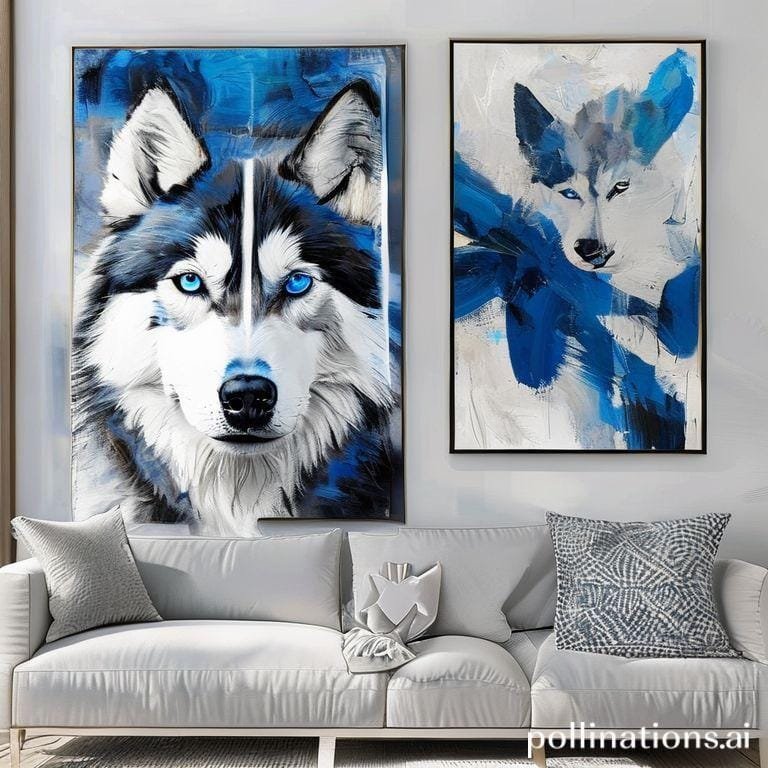
Have you ever stood in front of a painting, amazed by its beauty, but felt confused, asking yourself: What am I looking at? This quiet question is where the old conversation between abstract and realist art begins. One style tells a clear story, like a window to a place you know. The other style is like a song without words, opening a door to pure feeling and shape. Choosing one for your home isn’t about picking the best art. It’s about finding which artistic voice connects with you and fits the story of your space.
This isn’t just an art lesson; it’s a trip into your own self-expression. Your walls are like a blank canvas for your personality. Do you want the clear, comforting view of a realist landscape that takes you to a quiet forest? Or do you want the lively energy of an abstract piece that starts conversations and makes you think? To create a home that truly feels like you, you need to understand the heart, history, and feeling behind these two basic styles. Let’s explore the world of captured reality and set-free imagination to help you find your perfect art partner.
The Heart of Realism: A Clear Window
Realism, at its core, is art trying to show the truth. It grew strong in the mid-1800s as a reaction against the dreamy, dramatic art that came before. Artists like Gustave Courbet said,
“Show me an angel, and I’ll paint one.”
This down-to-earth idea focused on painting regular life, ordinary people, and the natural world exactly as they are. The goal was not to make things pretty, but to show society and nature honestly, with all their rough edges.
The skill needed for realism is huge. Artists must understand perspective to create depth. They must control light and shadow perfectly to show shape. They need a subtle range of colors to copy the real world. When you look at a realist painting, you should know the subject right away—a specific dog playing, the detailed feathers on a bird, the rough wood of an old barn. People love it because it’s easy to understand and shows incredible talent. It makes you stop, connect with something real, and appreciate the amazing detail all around us. In a home, realist art is like a calm anchor. It brings the peace of nature or the noble feeling of a favorite animal portrait into your everyday life.
The Soul of Abstraction: A Door Inside
If realism is a window, abstraction is a door—an entrance to emotion, ideas, and visual experience itself. Free from having to copy the outside world, abstract art uses shapes, colors, lines, and textures to talk directly to your feelings. It started with artists in the early 1900s like Wassily Kandinsky. He thought color and shape could touch your spirit, similar to music.
“Color is the keyboard, the eyes are the hammers, the soul is the piano with many strings,”
Kandinsky wrote. This shows how abstract artists try to play on the viewer’s inner emotions.
Abstraction isn’t just one style; it’s a whole range. Some works simplify a real object into basic shapes. Others have no connection to the physical world at all. The meaning isn’t given to you; you help create it by how you react to the piece. A bright red splash might feel passionate or scary. A calm blue area might feel peaceful or sad. This openness is its biggest strength. Abstract art asks you to bring your own feelings, memories, and ideas to the canvas. This makes it a very personal and changing part of a room. It doesn’t show your story—it becomes part of it.
How Each Style Makes You Feel
Choosing between abstract and realist art often comes down to the mood you want to create. Realist art usually gives a feeling of stability, comfort, and peace. A super-realistic painting of a dog in a sunny field can bring warmth and happy memories. A detailed drawing of a plant brings nature’s organized beauty inside, creating calm. The feelings are often obvious, guided by the recognizable subject. It offers comfort and a break from busy life.
Abstract art, on the other hand, deals in energy, possibility, and challenge. It can be calming with soft colors or exciting with wild, energetic brushstrokes. It can make you think differently. A big, colorful abstract piece can be the main focus of a modern living room, adding drama. It doesn’t ask for you to just look; it asks you to get involved. The emotional trip is more personal and can even change with your own mood, making the art feel alive in your space.
The Story vs. The Feeling
Realist art always tells a story, even a simple one. The story of a specific place, a single moment, or the special character of an animal. When you choose a realist wildlife portrait, you are welcoming that animal’s story and spirit into your home. The tale is built into the picture, ready to be seen. This makes realist pieces great for starting conversations where everyone can talk about what they see.
Abstract art trades story for pure feeling. Its tale is not straight but is about the experience. It’s about the sensation of color, the beat of lines, the push-and-pull between shapes. The “story” is the emotional or mental response it creates in you. It speaks a more basic, universal language that skips literal meaning. This makes abstract art very flexible and personal; its meaning is written by you, for you, every time you see it.
A Practical Guide to Choosing
So, how do you choose? Think about what the room is for and the feeling you want.
Realist art often works well in:
- Studies or Home Offices: Where you need focus and quiet.
- Traditional or Rustic Rooms: Where it matches wood, stone, and classic furniture.
- Bedrooms: To create a peaceful, restful place with nature scenes or calm animal pictures.
Abstract art can be perfect for:
- Modern or Simple Living Rooms: Where it acts as a bold, sculptural centerpiece.
- Creative Spaces or Studios: To inspire new ideas and energy.
- Entryways or Hallways: To make a strong first impression and set a lively tone.
Don’t be scared to mix styles! A realist portrait above a fireplace can look amazing next to an abstract sculpture on a table. The contrast can make each piece stand out more.
Between the Two: Stylized Realism
Art isn’t just two simple choices. Between strict realism and pure abstraction is a big, wonderful middle ground: stylized or interpretive realism. This is where a lot of animal-themed decor lives. Imagine art that shows the true spirit and recognizable shape of a wolf, fox, or cat, but uses brighter colors, simpler lines, or graphic patterns. It keeps the link to the beloved subject (the storytelling of realism) while adding artistic style, mood, and decorative beauty (the expressiveness of abstraction). This style gives you the best of both worlds—it’s easy to connect with but has unique character. This makes it a very popular and useful choice for home decor that feels both personal and artistic.
Your Home is Your Gallery
In the end, your home is your own personal art gallery. The “right” style is the one that speaks to you deeply. Before you choose, ask yourself: Do I want to be taken somewhere, or do I want to be moved inside? Do I find comfort in what I know, or excitement in what I don’t? Look at online galleries. Notice which images make you stop and look longer, which stir a feeling, which you can picture living with every day.
At Paw Creativ, we love all kinds of artistic expression. Our collection has amazing realist animal portraits that honor the majestic detail of nature, perfect for a classic, soulful feeling. We also have bright, modern abstract and stylized animal art that reimagines your favorite creatures through color, shape, and contemporary design, ideal for making a bold, personal statement. We believe art is the soul of a space. Whether you prefer the familiar whisper of realism or the bold song of abstraction, we have a piece to help tell your unique story.
The conversation between abstract and realism isn’t about finding one right answer. It’s about understanding two powerful languages of visual emotion. Realism offers the deep comfort of the recognizable, a tribute to the world’s real beauty. Abstraction offers the thrilling freedom of imagination, a canvas for your inner life. By learning their histories, how they make you feel, and how to use them in your home, you give yourself the power to choose more than just decoration. You choose a piece that shows a part of who you are, sets the mood you want, and turns your walls into a meaningful part of yourself. So, listen to what your space needs and what your heart answers to. Whether it’s the clear, calm story of a realist landscape or the emotional, energetic feeling of an abstract piece, the perfect artwork is waiting to become a loved part of your home’s story.