
Your cart is currently empty!
Choosing Sustainable Wall Art for a Greener Home
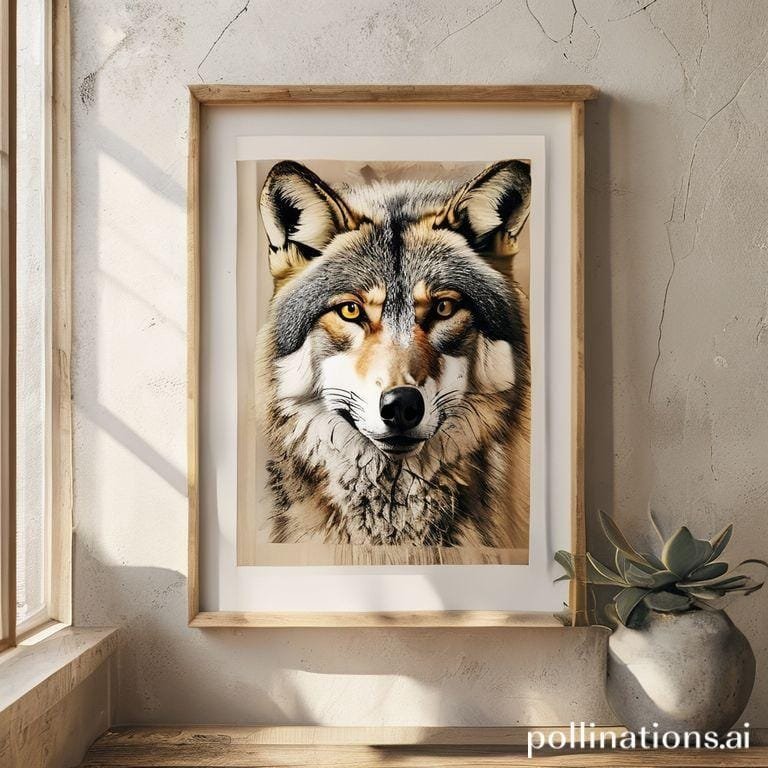
Today, we think a lot about how our choices affect the planet. This includes what we put on our walls at home. The art we choose is like a mirror. It shows our personal style, but it can also show our care for the Earth. Sustainable and eco-friendly wall art isn’t just popular right now. It’s a thoughtful choice, like picking the healthiest food. It’s about buying things responsibly and feeling closer to nature. This guide will show you how to choose beautiful art for your home that doesn’t hurt the environment. We’ll talk about materials and how to find artists who do the right thing.
The Building Blocks: What Makes Materials Earth-Friendly
The first step to green art is looking at what it’s made of. Regular art prints often use paper from forests that aren’t managed well. They might use inks with harsh chemicals and frames made of plastic. Eco-friendly art is different. It uses materials that are renewed, recycled, and safe. Look for prints on paper with an FSC label. This means the paper comes from forests that are taken care of properly. Even better is paper made from 100% recycled stuff, or from plants like bamboo or cotton. These have a much smaller footprint on the Earth.
Inks are super important, too. Many regular inks have chemicals called VOCs. These can get into the air inside your house and aren’t good to breathe. Better choices are inks made from water, soy, or cured with UV light. These come from plants, create less pollution when they’re made, and are often easier to recycle. As the Sustainable Green Printing Partnership says,
“The shift to bio-based inks represents a major step in reducing the carbon footprint of the printing industry.”
Think about the type of art itself. Digital prints, if done carefully, can be greener than some paintings that use toxic paints. But often, the greenest choice is art made from natural things, found objects, or old materials given new life. The key idea is openness. A truly eco-friendly artist or company will be happy to tell you exactly where their materials came from.
Choosing a Frame That Cares: Presenting Your Art Responsibly
A great piece of art needs a frame that matches its good values. Normal frames often use wood from who-knows-where, fake finishes, and plastic covers. Sustainable framing gives you better choices. Try to find frames made from FSC-certified wood or wood that’s been used before. Old wood from a barn or a torn-down building has its own story. Using it again gives old materials a new purpose.
The clear cover over the art—called glazing—is a big chance to make a better choice. Instead of acrylic (which is made from oil), choose good quality glass. For something lighter, you can use recycled acrylic. Some new companies even make glazing from plants! For the back of the frame, avoid particleboard that has formaldehyde. Pick a strong backing board made from recycled stuff that won’t damage the art over time.
Sometimes, the most sustainable choice is to use no frame at all. Canvas prints on wooden bars, or art printed right onto recycled metal or wood panels, don’t need extra framing materials. This simple style looks clean and modern, and it keeps your impact on the planet as small as possible.
Built to Last: Why One Great Piece Beats Many Cheap Ones
Sustainability is all about things that last. The most eco-friendly art is something you love and keep forever. It’s not a throwaway decoration that goes out of style fast. This idea is about quality over quantity. Buying one amazing, well-made, classic piece is much better for the Earth in the long run than buying lots of cheap, factory-made art that you’ll soon replace.
Focus on finding art that’s made to endure. This means the materials won’t turn yellow, fade, or fall apart for many years. Look for words like “acid-free,” “pH-neutral,” and “lightfast inks.” As art experts say,
“Preventive care through the use of stable materials is the most sustainable form of art preservation.”
When you choose high-quality, lasting art, you’re not just buying decor. You’re choosing a special item for your home that will stay with you.
This way of thinking also helps you be more thoughtful about your space. Don’t feel you have to cover every wall. Choose art that really means something to you and fits your home’s feeling. This careful selection means you buy less and create a calmer, more personal space. It’s about building a collection where every piece has a story and a reason for being there.
Backing the Good Guys: Finding Artists Who Do Right
Real sustainability also means being fair to people. Who made your art, and were they treated well? Choosing art from local artists, small crafters, or companies with clear ethical rules means your money supports good pay, safe workplaces, and strong communities. This is the opposite of the secret, often unfair, supply chains behind a lot of cheap home decor.
Look for artists who use their talent for a good cause. Many creators focus on helping the environment. They might give some of their profits to protect nature or use their art to teach people about ecological problems. When you support them, your wall becomes a billboard for a good message. Also, buying local art cuts down on pollution from shipping. A piece from an artist in your town has a much smaller travel footprint than something shipped from across the world.
Some stores are built on these values. For example, at Paw Creativ, sustainability is part of everything they do. They offer a special selection of animal-themed wall art. They pay close attention to where materials come from and how things are made. This lets you show your love for animals in a way that also helps take care of their world.
Going Digital or Making It Yourself: The Greenest Paths
In our digital world, one of the greenest choices is to skip the physical product sometimes. You can buy a high-quality digital file of artwork. Then, you can print it yourself at a local shop using the most eco-friendly paper and inks they have. This stops waste from unsold art, making too many copies, and long-distance shipping. You get to pick a local printer who uses green methods.
If you like making things, DIY wall art is the champion of personal sustainability. Create your own art using old materials. Make a collage from old maps, book pages, fabric pieces, or dried flowers. Frame a nice piece of driftwood from the beach or make a wall hanging from leftover yarn. Making it yourself is fun, and you end up with a unique piece that used almost no new resources. It’s like the ultimate recycling project—turning trash into treasure.
This hands-on method makes you feel more connected to your home. A simple shelf with things you found on nature walks—like a feather, a cool rock, or a shell—can be a meaningful display. These ideas remind us that art isn’t just something we buy. It’s something we can discover, make, and create with purpose.
Trustworthy Labels: Your Guide in the Store
Figuring out what’s truly “green” can be tricky. Real certifications are like trustworthy guides. The Forest Stewardship Council (FSC) label is key for anything made from wood, like paper or frames. It promises the wood came from a forest that’s cared for responsibly. For recycled stuff, look for labels that tell you the exact percentage of “post-consumer waste.” This is material that people have already used and thrown away.
For printing, look for seals like the Sustainable Green Printing Partnership (SGP) or Green Seal. These mean the printer follows strict environmental rules for energy, waste, and chemicals. For finished products, a Cradle to Cradle Certified mark is the best. It checks if a product is safe, can be part of a recycling loop, and is responsible through its whole life.
While labels are important, also use your own judgment. Read the “About” section on a brand’s website. Do they talk clearly about their sustainability efforts? Is it easy to understand where their materials come from? A real commitment to being eco-friendly is usually shared openly and with lots of details, not hidden behind fuzzy words like “natural” or “green.”
Choosing sustainable wall art is a powerful way to make your home match your care for the planet. It turns decorating into an act of respect—for the materials, the people who make them, and the Earth we all live on. By picking ethical materials like FSC paper and safe inks, choosing durable quality, and supporting thoughtful creators, we make homes that are both beautiful and responsible. Remember, every piece you choose is like a vote for the world you want. It’s a chance to slow down, choose carefully, and fill your space with art that tells a story of protecting our world and looking forward with hope. Let your walls show a future where beauty and taking care of our planet are always connected.