
Your cart is currently empty!
How Wall Art Transforms Your Home
Imagine walking into a room that feels almost finished. The furniture is in place, the lights are warm, but something important is missing. That final, magical ingredient is often art. Think of wall art not as just decoration, but as the heartbeat of a room. It’s the key that turns a simple house into your personal home. Art has the amazing power to set the mood, show off your style, and even fix tricky design problems. It’s a must-have tool for designers and a great joy for anyone who owns a home.
This article will explore all the different jobs wall art can do in decorating a room. We’ll see how the right piece can act like a main stage, grabbing everyone’s attention and helping the room feel organized. We’ll look at how art can add splashes of color, interesting textures, and cool patterns, tying all the different parts of a room together like a beautiful knot.
But it’s not just about looks. We’ll discover how art actually changes the feeling of a space, affecting our emotions and energy. We’ll also see how it’s the best way to express who you are, telling the story of the people who live there. Finally, we’ll check out its handy tricks: how it can make a room look bigger or smaller, hide flaws in the wall, and help define areas in one big open room. By the end, you’ll understand that picking art isn’t the last step—it’s one of the first and most important steps in creating a space that is both lovely and truly yours.
The Main Stage: Grabbing Attention and Creating Order
Every well-planned room needs a star, a place where your eyes naturally land first. This is called the focal point, and wall art is a superstar at creating one. A big, bold painting over a couch, a collection of pictures on a dining room wall, or a standout sculpture in the hallway immediately pulls your gaze. It acts like a friendly guide, showing you where to look and making the space feel planned and peaceful.
Without this star, a room can feel messy and confusing. As famous designer Kelly Wearstler puts it:
“Art is the heartbeat of a room. It gives it a pulse and a point of view.”
That “heartbeat” is the focal point. The size of the art is super important here. A very large piece in a small room can make it feel grand and special. A group of smaller pieces can create a lively, interesting spot to look at. The main idea is to be deliberate. By choosing art that stands out, you control the room’s story from the moment someone walks in.
Color, Texture, and Pattern: The Great Connectors
Wall art is the ultimate team player. It connects all the different visual elements in a room. Think of it as the master weaver. It can introduce a color that links your pillows, rug, and other decorations, creating a team that works well together. A piece with interesting textures—like thick paint, mixed materials, or a fabric hanging—adds a sense of touch and depth that flat walls and smooth furniture don’t have.
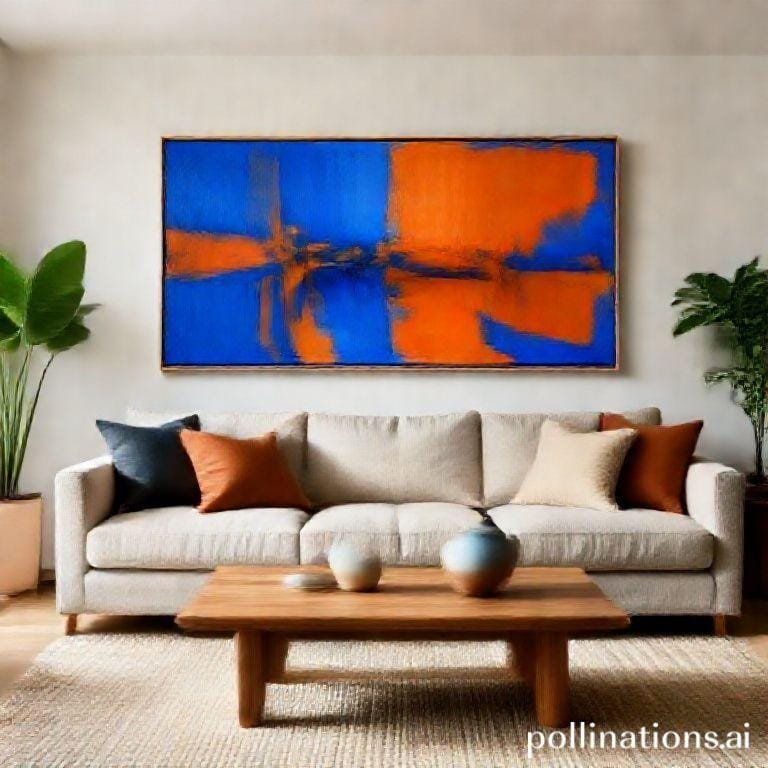
For example, picture a simple, neutral living room. One large painting with strong strokes of blue and orange can instantly become the color captain for the whole space. Add pillows in similar blues and a vase in a matching orange, and the room suddenly feels thoughtfully put together. In the same way, art with shiny metals or rough surfaces can play nicely with the feel of a wool rug or a cotton sofa. Art doesn’t just sit on the wall; it has a conversation with everything else in the room, pulling the whole design together into one clear story.
Creating the Feeling: The Mood Manager
Art has a special power to set the emotional weather inside a room. What the art shows, its colors, and its style all change how we feel when we’re there. A peaceful, foggy landscape photo can create calm in a bedroom. A bright, lively pop art piece can boost energy and talk in a living room or office. A dark, mysterious abstract painting can add drama and coziness to a library.
This effect on our minds is real. Research shows that what we see in our surroundings can change our stress, creativity, and how we feel overall. A piece that you personally connect with can change a plain room into your own private retreat. It’s about building an environment that helps the room do its job and puts you in the right frame of mind. The art you pick acts like the emotional thermostat for your home.
Showing Who You Are: The Storyteller
More than any store-bought furniture, art is a loudspeaker for your personality. It shows your interests, your travels, your hobbies, and your life’s story. A wall of travel photos talks about adventure. A set of old-fashioned plant prints suggests a love for nature and the past. A bold, modern abstract might show a lively, current style. This personal touch is what stops a home from looking like a furniture store display.
Today, interior design is all about being real and telling your own story. As designer Nate Berkus once said:
“Your home should tell the story of who you are, and be a collection of what you love.”
Wall art is the biggest chapter in that story. It’s your chance to show what inspires you, to display your memories, or to support artists you like. This layer of personal meaning is what makes a space feel truly lived-in and loved.
The Space Magician: A Handy Design Helper
Besides being beautiful and meaningful, wall art is also a clever problem-solver. One of its best tricks is playing with how we see space. In a small room, a large piece of art can make the walls seem farther apart, creating a feeling of more room and openness. A tall, vertical piece can lead the eye up, making ceilings feel higher. On the other hand, a long, horizontal piece can stretch the look of a skinny room, helping it feel more even.
Art can also be a smart cover-up. A well-placed canvas can hide a bumpy wall spot, an old plug, or a light switch in a weird place. In big, open rooms, a strong piece of art can work like a visual room divider, helping to mark where the eating area ends and the living area begins without needing a real wall. This useful flexibility makes art a smart design tool, not just a pretty thing to look at.
Choosing Your Art: A Guide to Picking What You Love
Knowing art’s power is the first step. Choosing it is the next. The process should be fun, not scary. Start by thinking about what the room is for and the feeling you want it to have. Measure your wall space—art that’s too small can look lonely, and art that’s too big can feel like it’s crowding you. Don’t be scared to mix different styles and types of art; a modern painting can look fantastic in an old-fashioned room, creating exciting contrast.
Most importantly, pick pieces you truly and deeply enjoy. Styles that are popular today might fade tomorrow, but a piece that speaks to your heart will make you happy for years. Think of the frame as part of the artwork; a good frame makes both the art and your room look better. For people starting a collection, places like Paw Creativ are a great first stop. They focus on animal-themed wall art and home decor, offering special pieces that can fill a space with personality, warmth, and a hint of nature. Whether it’s a powerful wolf outline for an office, a fun cat drawing for a bright room, or a graceful bird print for a bedroom, adding theme-based art that you connect with is the final, satisfying step in making your house a home.
In short, from creating a powerful main stage to quietly sharing your favorite colors across a room, wall art is the definite finishing touch in room design. It goes way beyond simple decoration to become a useful, emotional, and deeply personal foundation for where you live. It plays with light, space, and what we see, all while announcing your unique self. The right piece doesn’t just cover an empty wall; it finishes the room’s story, brings out feelings, and turns a bunch of stuff into a united safe place. Remember, buying art is an investment in the feeling and story of your home. So, look past the furniture and paint samples. Explore, find pieces that feel right to you, and let your walls do the talking.