
Your cart is currently empty!
The Ultimate Wall Art Size Guide for Every Room
Have you ever fallen in love with a piece of art online, only to have it show up and feel completely wrong in your room? The colors are perfect, the style is exactly what you wanted, but it just doesn’t fit. It’s either a tiny postage stamp on a huge wall or a giant monster that makes the room feel small. This common problem almost always comes down to one thing: size. Picking the right size for your wall art isn’t just a practical step; it’s the main secret to creating a room that feels balanced, planned, and beautiful. It’s the difference between a room that feels “decorated” and one that feels “designed.”
This guide is your map to learning that secret. We’ll move past guessing and give you a clear plan for choosing art that perfectly matches your room’s size, furniture, and features. Whether you’re working with a small apartment corner or a big living room, understanding size and placement will change how you think about wall decor. We’ll explain standard sizes, talk about how size affects how a room feels, and give you specific plans for different rooms. By the end, you’ll have the confidence to choose art that doesn’t just hang on your wall, but truly belongs there.
The Basics of Size and Relationship
Before we talk about specific measurements, let’s look at the main ideas behind good art placement. Scale means the size of the artwork compared to the room and the things in it. Proportion is about the relationship between the artwork and the wall space it sits on. Getting these right is the foundation of good design.
A common error is choosing art that is too small for the wall. This creates a visual wobble, making the piece look lost and unimportant. Interior designer Emily Henderson stresses this point:
“The number one mistake people make is hanging art that is too small. It makes the room feel unfinished and the furniture look awkward. You want the art to have a relationship with the furniture below it and the architecture around it.”
On the other hand, art that is too big can take over a space, making it feel packed and overwhelming. The goal is a “just right” zone where the art feels planned, balanced, and connected to everything around it.
Start by looking at the wall itself. Is it a tall, skinny space between two windows? A wide, empty area above a couch? The room’s shape tells you what you can do. Then, look at the main piece of furniture below it—usually a sofa, bed, table, or sideboard. The art should relate to this furniture in width and visual presence. A helpful tip is that artwork should be between 50% and 75% the width of the furniture piece it hangs above. This creates a connected group instead of two separate things.
Understanding Standard Art Sizes and What They Do
Knowing common size groups helps you picture and shop better. Let’s look at what different sizes usually do in a space.
Small (8″ x 10″ to 16″ x 20″): These are your accent pieces. Great for creating small galleries in hallways, putting in pairs on either side of a mirror, or adding personality to small spots like above a nightstand. A single small piece on a large wall will almost always look wrong unless it’s part of a bigger collection.
Medium (18″ x 24″ to 24″ x 36″): The reliable heroes of wall decor. This range is very flexible and works for most main spaces in a home. A 24″ x 36″ canvas is a classic choice for above a queen or king-size bed or as a statement in a dining area. These sizes are big enough to get attention without needing a huge room.
Large (30″ x 40″ and above): This is where you make a big statement. Large-scale art is perfect for anchoring a living room above a big sofa, filling the wall at the end of a long hallway, or being the main focus in a home office. It has the power to set a room’s mood and color scheme. When you buy a large piece, it often becomes the main topic of conversation in the room.
Remember, these are guides, not strict laws. A 24″ x 36″ piece will feel very different in a small studio apartment than in a loft with high ceilings. Always think about the size within your specific room.
The Living Room Plan: Anchoring Your Main Space
The living room is often the heart of the home and the most public space for your art. Here, size is very important. The most common spot is above the sofa, which gives you a natural anchor.
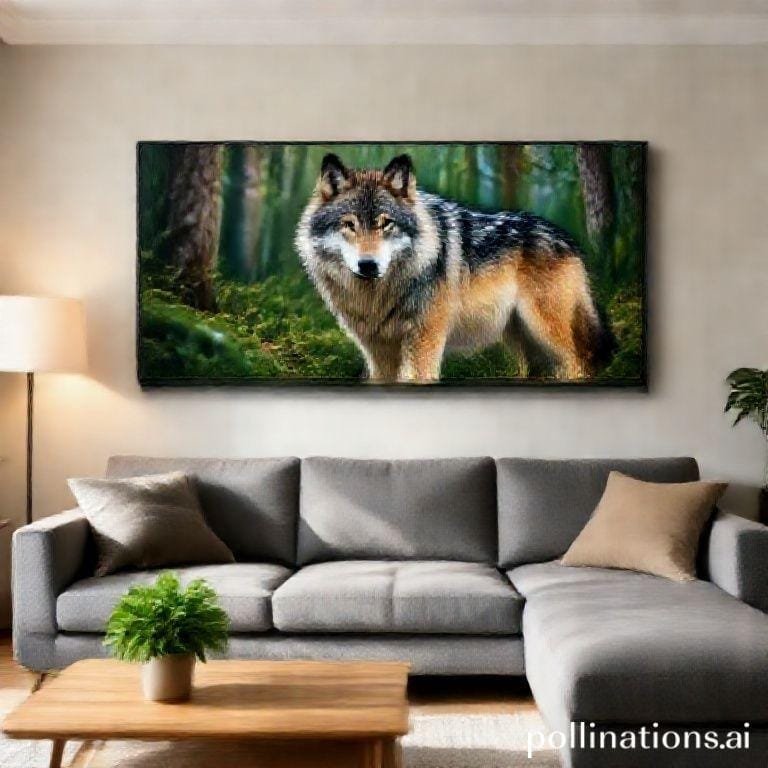
For a standard sofa, aim for art that is about 48 to 60 inches wide. This could be one large horizontal piece, two panels, or three panels. The bottom of the frame should usually hang 6 to 10 inches above the back of the sofa. This creates a connected visual block. If you’re making a gallery wall above the sofa, think of the whole collection as one thing. The total width of the arrangement should still follow the 50-75% rule compared to the sofa’s length.
Don’t forget about height. In rooms with high ceilings, think about a tall, vertical piece or a stacked arrangement to pull the eye up and highlight the room’s shape. For a more lively look, lean a large-scale piece against the wall on a table or right on the floor. This method, often seen in modern rooms, feels less formal and more collected.
Bedroom Peace: Creating a Calm Retreat
Bedroom art should encourage calm and rest. The bed is the clear focal point, and the art above it sets the mood for the whole room.
Aim for artwork that is about two-thirds the width of your headboard or bed frame. For a queen bed, a piece around 40 inches wide is ideal. For a king bed, look for something around 50 inches wide. Putting the art in the center above the headboard is normal, but for a more modern feel, you can hang a large piece off-center or create a small, uneven group of frames on one side.
Height is key here. You want the art to be easy to see and interesting while you’re in bed, not something you have to strain to look at. A good starting point is to hang the center of the artwork at about 60 inches from the floor, which is standard eye level, and then adjust so there’s a comfortable 6-8 inch gap between the headboard and the bottom of the frame. For a simple look, a single, medium-to-large abstract or nature-themed piece works well. For a personal, collected feel, a small grid of matching frames with plant prints or family photos can be nice.
Dining Room Feel: Setting the Mood for Meals
The dining room is a space for getting together, talking, and celebrating. The art here can improve the atmosphere, whether you want formal elegance or casual warmth.
If your dining set is against a wall, use the sideboard or buffet as your anchor furniture. The art above it should match that piece, following the same width guides. In a more formal setting with a centered table, the wall across from the entrance often becomes the focal point. This is a perfect place for a single, powerful piece of art—a large landscape, an abstract with rich colors, or a dramatic photo.
Think about the sightlines. Art in the dining room is often seen from a sitting position. Make sure it is hung low enough to be enjoyed during a meal. The center of the artwork should generally be at around 57 to 60 inches from the floor. A line of smaller, related works can also work well, especially in a narrow dining space, as it leads the eye along the wall without taking over. The subject can set the tone: calm landscapes for peace, bright abstracts for energy, or food and drink-themed art for a fun touch.
Hallways, Entryways, and Odd Corners
These walk-through areas are chances for surprise and personality. The rules here are more flexible, but size still matters.
Entryways: This is your home’s first hello. A single, bold piece on a table or a matching pair of mirrors or artworks on either side of the door can create a welcoming feel. For a narrow entry, a vertical piece or a line of small works going up can make the space feel taller.
Hallways: Long hallways can feel like tunnels without anything to look at. Art breaks up the boredom. Create a “gallery walk” by hanging a series of pieces along one side. For consistency, keep the center points of all frames at the same height (usually 60 inches). Mix sizes and frame styles for an eclectic look, or use identical frames for a more uniform, curated feel. In a very narrow hallway, go for smaller, flatter pieces to avoid creating a bump.
Odd Corners & Nooks: Don’t ignore the small, awkward spaces. A tall, narrow piece can fill the space between a bookcase and a corner. A small, square canvas can add life to a blank spot above a light switch. These moments of careful detail are what make a home feel thoughtfully designed.
Gallery Walls and Multi-Piece Groups
A gallery wall is a great way to show a collection of art, photos, and objects. The key to a good gallery wall is planning.
Start by laying out your pieces on the floor. Play with arrangements until you find a layout that feels balanced. A common method is to choose one larger “anchor” piece and arrange the others around it. Keep the space between frames the same—2 to 3 inches is a good standard. While the frames and art can be different, try to create a subtle link, whether through a consistent color group, a theme (like all black-and-white photos), or similar frame materials.
Think of the whole gallery wall as one big rectangle. Its overall size should still match the wall and furniture below it. For example, a gallery wall above a table should not be wider than the table itself. Use paper templates traced from your frames and tape them to the wall to finalize the layout before making any holes. This takes the guesswork out of hanging and makes sure the result looks polished.
Tools, Tips, and Final Checks
You’ve chosen the perfect piece in the perfect size. Now, let’s hang it correctly.
The 57-Inch Rule: For a single piece of art, a standard idea is to hang the center of the artwork at 57 inches from the floor. This matches the average human eye level and creates a smooth flow from room to room. Adjust a little up or down based on the height of your furniture or the people in your home.
Measuring is a Must: Use a tape measure, not your eyes. Measure the wall, measure the furniture, and measure the art. Create a practice version with painter’s tape on the wall to see the shape of the artwork before you commit.
Think About the Frame: The frame adds to the overall visual presence and size. A wide, fancy frame will make a piece feel bigger than its canvas size. A thin, simple frame or a frameless canvas will feel more true to size.
Lighting: The right lighting can make your art stand out. A picture light above a large statement piece or a well-placed floor lamp can add drama and make sure your art is appreciated day and night.
Learning the art of size changes your home from a group of rooms into a connected, planned sanctuary. It’s the quiet language of good design that makes a space feel “right.” By following these guides—thinking about your furniture, respecting your room’s shape, and being brave enough to go bigger than you might first think—you give yourself the power to make confident choices that lift up your everyday space.
Remember, these are tools, not strict commands. Your personal taste and the special character of your home are the most important guides. Once you understand the ideas of proportion, you can creatively bend them to get a specific look. The goal is to create a home that shows who you are, where every piece of art feels like it was meant to be there. And when you’re looking for that perfect piece to size up your space, think about exploring the selected collection at Paw Creativ. We focus on bringing the beauty and spirit of animals into your home through high-quality, carefully designed wall art. From impressive large-scale wildlife canvases that command a living room wall to charming medium-sized prints perfect for a bedroom corner, our pieces are made with an eye for detail and a love for the subjects we show. Visit pawcreativ.com to find art that fits not just your wall, but your soul.