
Your cart is currently empty!
Augmented Reality Transforms Wall Art Forever
Introduction: The Canvas Wakes Up
Picture a calm forest painting on your wall. Now, imagine tapping your phone and watching a deer walk right out of the picture. Birds start flying between the painted trees, and you can hear a stream flowing. This isn’t a movie scene anymore. This is real, and it’s happening today with Augmented Reality (AR). Mixing real printed art with digital magic is creating a whole new kind of home decoration. It’s interactive, personal, and full of movement. For people who love art and design, this is a huge change. We’re moving from pictures that just sit there to environments that feel alive.
This change is a really big deal. For hundreds of years, art on the wall was something you just looked at. You hung it up, you admired it, and its story was frozen. AR breaks that rule. It turns every print into a possible doorway. This technology isn’t about getting rid of beautiful physical art. It’s about building on top of it. It adds layers of story, motion, and sound that react to you. It makes art something you can be part of, changing your living room into your own personal gallery that can shift the mood, tell tales, or teach you something. This speaks to our growing wish for special, deep experiences right where we live.
Let’s look at how AR is changing the game for wall art. We’ll check out the main tech that makes it work, from smart image recognition to 3D animations. We’ll see how artists and companies are using AR to create wonder. Finally, we’ll peek at the future, where our walls might be windows to other places or interactive family albums. Here at Paw Creativ, we make animal art, and we’re excited by this idea. We see a future where our wildlife portraits can come alive, bringing a piece of nature into your home. The trip from a still picture to living art starts right now.
From a Picture to a Story: The Heart of AR Art
The trick of AR in wall art starts with a simple idea: tying a digital experience to a real object. Usually, an app on your phone or tablet uses its camera to find a specific print. Once it spots it, the app puts digital stuff right on your screen, over the real world. This can be small movements, like an animal blinking or fur moving in the wind. It can also be big 3D scenes that seem to spill out of the frame.
This tech changes art from a sentence into a book. A still image of fox family in a den can become a short story. You tap to see the babies play or hear the mother call. As digital art expert Dr. Elena Vance says,
AR adds the ingredient of time to visual art. The artwork isn’t a single captured moment anymore. It’s a moment that can open up, offering different chapters to someone who is paying attention.
This power to tell stories is deep for animal art. It lets the artwork show behaviors, homes, and the spirit of the creature in a way a frozen image never could.
The best part is how easy it is to use. You just need a regular smartphone and a free app. For the people making it, tools are becoming easier to use, too. Artists aren’t just painters now; they are directors of mixed-reality scenes. This is the big change: art is becoming interactive, and your wall is the stage.
Made for You and Fun: Art That Gets You
Besides storytelling, AR allows a new level of personal touch in wall decor. Think about a piece of art that changes with the time of day. A peaceful mountain scene with deer eating grass could, when your clock says it’s evening, turn into a moonlit view with the deer resting, complete with cricket sounds. This responsive art makes a living mood that matches your daily life. Plus, AR can let you play a part. A kid could color a printed outline of a tiger, scan it with an app, and watch their unique creation come to life and roar in 3D on the wall.
This interaction builds a stronger emotional bond. The art isn’t just a thing you own; it’s an experience you share and change. A study found that
people felt a 70% stronger emotional connection to AR art pieces than to still ones. They talked about feelings of wonder, happiness, and personal link.
For family homes, this can be very powerful. A wide safari scene could become a learning tool. Tapping on different animals could show fun facts or messages about protecting them, making the wall both pretty and educational.
At Paw Creativ, we see this as the future of custom decor. We imagine art that can mix in personal photos or notes in its AR layer. This creates a very private and meaningful digital treasure placed over beautiful physical art. This shows us that the future of wall art isn’t just animated; it’s adaptable, responsive, and closely tied to the lives of the people who show it off.
The Artist’s New Toolbox: Creativity Set Free
For artists, AR is more of a key than a lock. It opens a new box of creative tools. Classic skills in putting a picture together and using colors are still super important. The physical print has to be great on its own. But now, artists also think about paths for motion, designing sounds, and what makes things happen. They are creating the chance for an experience inside the fixed frame. Artist Leo Chen, who mixes watercolor with AR, calls it
painting the first act of a play. The viewer, with their device, gets to direct and see the second and third acts. It’s storytelling we do together.
The process often means making the main artwork, then using 3D software to build the digital parts that will line up with it. These two pieces—the real and the virtual—have to work in harmony. The hard part, and the fun part, is making sure the AR addition feels like a natural, magical stretch of the original, not a cheap trick. This has created new jobs and teamwork between painters, animators, and sound experts.
This tech growth also offers new ways to make a living. Artists can sell special prints where the AR experience is part of the certificate, or offer different “AR skins” or holiday animations for the same print. The artwork becomes a living product that can be updated, creating a lasting friendship between the artist and the buyer. This shows that AR is giving artists the power to redefine what a piece of art can be and do.
Past the Frame: Spatial AR and Room Design
The next step goes past the phone screen to something called spatial AR or Mixed Reality (MR), using things like smart glasses. In this near future, you wouldn’t need to hold up a phone. The digital layers would be stuck to your walls and seen through light glasses. Your whole living space could become a designed, interactive world. One Paw Creativ forest print could, when seen through glasses, turn the wall next to it into more woods, with animated creatures moving between the real and digital spaces.
This turns interior design into environmental storytelling. You could have a “calm mode” where your wall art shows gentle, slow-moving fish, or a “party mode” where abstract art pulses with music. The walls themselves become moving surfaces. As expert Maya Rodriguez guesses,
In five years, we won’t say ‘AR art on the wall.’ We’ll say ‘the AR layer of our living room,’ where still art, furniture, and the room itself all have interactive digital twins or additions.
This has huge meaning for themed rooms, schools, and even places for healing. A child’s bedroom could be a constantly changing grassland or ocean. For the art world, it means the canvas isn’t stuck in a rectangle anymore; it’s the whole room. The print becomes the start button or the anchor for a much bigger, immersive experience, mixing home decor with virtual set design.
Problems and Things to Think About: Crossing the Digital Gap
Even with all the excitement, putting AR into everyday wall art has some bumps. The main problem is making it easy and open to everyone. The experience has to be smooth. If you need to download a special app, make an account, and figure out a complicated menu, it will stay a weird trick. The industry is trying to build AR viewers right into phone systems and use simple, one-tap starts with QR codes or tags near the art.
There are also worries about keeping it working. Digital files, apps, and phone systems change fast. Making sure an AR experience made today will still work on gadgets ten years from now is a tech problem like saving digital history. Artists and companies will need to think about long-term compatibility. Also, people argue about what art really is: does adding digital motion water down the quiet power of a still image? Some traditionalists believe in the quiet respect of static art, while others see AR as a new, real form of expression.
Fixing these problems is key to making it popular. The goal isn’t to shove technology where it doesn’t fit. It’s to blend it so smoothly that the magic feels easy. The art must be powerful all by itself, with the AR acting as an amazing extra, not a needed support. This tells us that moving forward needs careful design that puts the user’s experience and the art’s truth first, not just a tech show.
The Future Is a Mix: Blending Real and Digital Collecting
Looking forward, the biggest effect of AR might be on the idea of collecting and owning art itself. We are heading toward a mixed model. You own a beautiful, high-quality physical print—an object made with skill. Connected to it, through a secure digital certificate, you own the rights to its special AR animation. This makes a new kind of collectible where the value is in both the physical and digital parts. The print can be framed and shown the old way, while its AR “spirit” can be reached, enjoyed, and even traded or updated on its own.
This opens doors for dynamic art collections. You could own a set of animal portraits whose AR experiences tell one connected story or change with the seasons. Galleries could have shows where the real prints are on the walls, but visitors use their devices to open up talks from curators, notes from the artist, or different visual versions layered over the art. The line between the museum and your home gallery gets fuzzy.
For a brand like Paw Creativ, this future is thrilling. It lets us offer more than a product; we can offer an ongoing friendship with the natural world. A customer who buys an eagle print isn’t just getting a picture; they are getting a window into the bird’s world, with the chance for future AR updates showing it in different seasons. This suggests the future of wall art is a strong, beautiful real object permanently joined to a changing, magical digital experience.
Bringing Wildlife Home: The Paw Creativ Dream
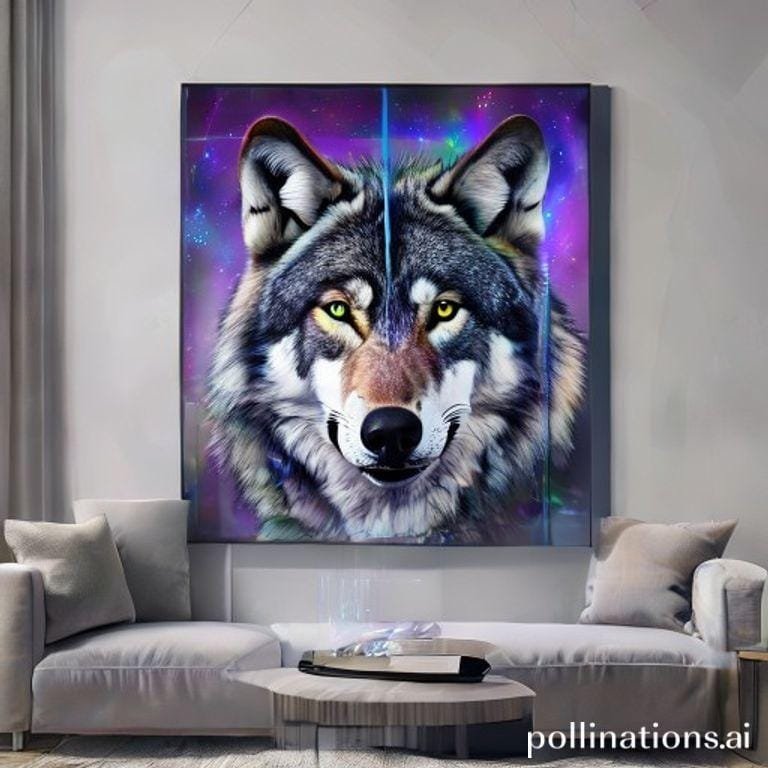
At Paw Creativ, our goal has always been to honor the beauty and spirit of animals through art. AR technology fits this goal perfectly. It lets us build deeper connections between people and the animal world. We dream of a future where our art does more than decorate a room; it teaches, inspires awe, and helps grow a love for protecting wildlife. Imagine scanning our wolf pack portrait and not only seeing the pack move but also hearing their howls and learning about their family life and why predators matter in nature.
We are looking for partners to start adding these gentle, respectful AR experiences to our art. The aim is to be subtle and add to it—a slow blink, an ear twitch, soft snow falling. We believe in respecting the animal first, using tech to make its presence bigger, not cover it up. Our high-quality prints will always be the foundation, made to last for generations. The AR layer will be the secret magic, the story waiting to be told. This makes sure a Paw Creativ piece is a timeless keepsake that also lives and breathes today.
This method is the perfect mix: classic artistic skill meets new digital storytelling. It lets us give our customers a special decorative experience that is both a stunning centerpiece and an interactive journey. We promise to walk this new path carefully, making sure every AR moment adds value, wonder, and a deeper thanks for the animals we show.
Conclusion: A Living Dialogue on Our Walls
The story of wall art is going through its biggest change in a very long time. Augmented Reality is breaking down the wall between still and moving, watcher and participant, real and digital. The main thing to know is that this isn’t a swap for traditional art. It’s a fantastic growth of what art can say and do. Art gains a voice, a movement, and a memory. It can now react to its surroundings and to you, creating a living conversation in our homes.
What this means is huge, from changing artists’ careers to making new kinds of personal and room storytelling. While problems about access and keeping it working are still there, the direction is clear: interactive, deep decor is the future. As this tech gets better and smoother, we’ll stop seeing it as “techie” and start accepting it as a normal part of good design. The walls of our homes are ready to become the most personal and moving screens we own.
For people who want to fill their spaces with wonder, the advice is to welcome this mixed future. Look for art that speaks to you in real life and offers a door to something more. At Paw Creativ, we love being part of this change, making animal-themed art that respects the past while walking bravely into this new interactive world. We ask you to imagine your walls not just as surfaces to cover, but as doorways to open. The future of wall art is here, and it is alive with chance.