
Your cart is currently empty!
Essential Wall Art Care Guide for Lasting Beauty
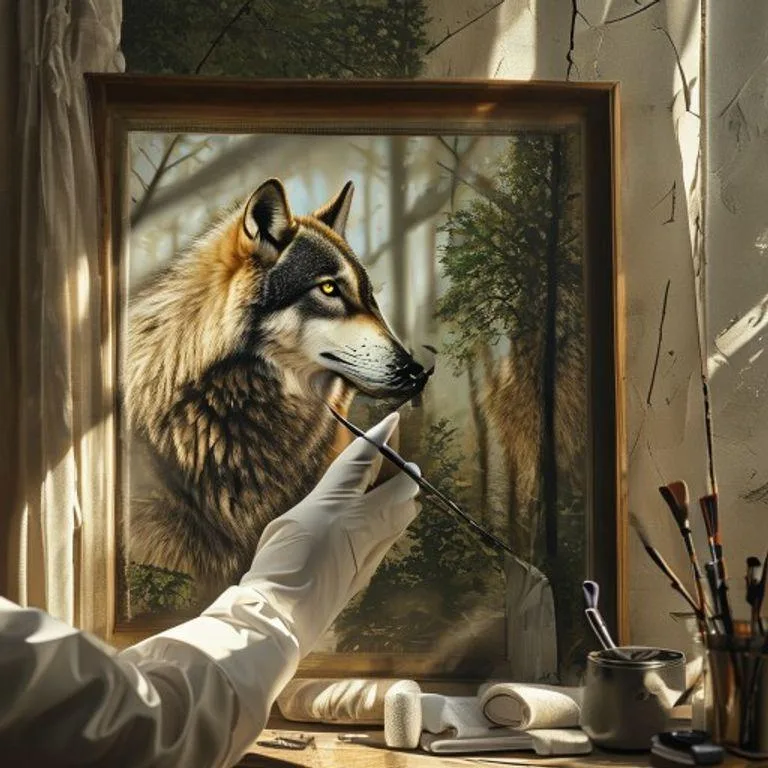
Think of your wall art not just as decoration, but as a piece of your own story hanging on the wall. It’s like an investment in the feeling of your home. It could be a favorite family photo, a special print, or a lively picture of an animal that makes a room pop. Taking good care of it is key to keeping it looking bright and beautiful for a long time. Many of us spend time and money picking the perfect piece, only to watch its colors fade or its surface get damaged from things we could have easily stopped. This guide will give you the basic maintenance tips to make sure your art prints stay as amazing as the day you put them up. We’ll talk about everything from the science of light and moisture to the best ways to clean and frame your art. By the end, you’ll have a simple, clear plan to protect your collection. This way, the powerful look of a wolf or the calm beauty of a forest in your favorite piece can keep inspiring you every single day.
The Sneaky Threat: How Light Causes Damage
Light, especially the invisible ultraviolet (UV) rays from the sun and even some indoor lights, is the biggest danger to your art prints. Think of UV rays like tiny, powerful bullets that break apart the color in the ink. This causes fading and color changes that you can’t fix. This happens slowly but surely; a print in direct sunlight can start to fade in just a few months. The problem isn’t just the sun. Lights like fluorescents and halogens also give off some UV light. Experts say that all light causes damage, but how fast it happens depends on how bright the light is and how long the art is exposed to it. This means even the normal light in a bright room adds to the slow wearing down of your art over many years.
Your first move to fight this is smart placement. Never hang valuable prints where direct sunlight hits them. Think about where the sun moves in your room during the day and through the seasons. Rooms facing north usually get steady, indirect light. If you really want art in a bright spot, use UV-filtering glass or plastic when you frame it. This special covering can stop over 99% of the harmful UV rays without changing how the art looks. For posters or prints that aren’t framed, you can try a UV-protective spray, but test it on a tiny, hidden spot first. Also, using curtains or blinds during the sunniest parts of the day can cut down exposure a lot. Another great idea is to rotate your art every now and then, giving pieces a “break” in a darker place to help them last longer. Remember, you want light to show off your art’s beauty, not light that ruins it.
Building a Safe Home: Controlling Temperature and Moisture
Art is sensitive to its surroundings, almost like a living thing. Big swings in temperature and humidity (the moisture in the air) can stress the paper, canvas, and inks. High humidity can lead to mold, weird brown spots on paper, and can make paper warp or wrinkle. Low humidity makes paper dry and brittle, so it can crack easily. Fast changes are especially bad, making materials swell and shrink, which can cause cracks or make layers peel apart. The best home for paper art is a steady temperature between 65-75°F (18-24°C) and a humidity level of 40-50%.
Avoid hanging art in trouble spots like bathrooms, kitchens (because of steam and grease), basements, or right above heat sources like radiators or fireplaces. These places put your art through extreme and quick changes. If you live in a very humid or very dry area, using a dehumidifier or humidifier to keep the air stable in your art room is a good idea. For your most valuable pieces, think about the small environment inside the frame. Using acid-free mats and backing boards creates a safe buffer that protects the art from dirty air and small changes in humidity. Good framing acts like a sealed, stable capsule for your print. When you create the right environment for your art, you’re not just saving ink on paper; you’re protecting the feeling and memory it brings to your space.
Cleaning with Care: Removing Dust and Smudges
Dust isn’t just ugly; over time, it can work its way into the paper or canvas, and some dust can even help damage the art. Cleaning it gently and regularly is a very important part of taking care of your art. The most important rule is: less is more. Never use household cleaners, water, strong chemicals, or rough cloths on your art. For framed pieces under glass or plastic, it’s safe to clean the glass itself. Use a soft, lint-free cloth. For tough spots on the glass, lightly dampen a corner of the cloth with distilled water and wipe gently, then dry it right away with a dry part of the cloth.
For the artwork itself—whether it’s framed or not—dusting needs a soft touch. For unframed prints or the surface of a canvas, use a clean, soft artist’s brush. Gently sweep the surface, always going in one direction and lifting the brush away at the end of each stroke so you don’t drag dust back across. A can of compressed air, held upright and used in short bursts from at least a foot away, can blow dust off textured surfaces or from the edge of a frame. For tougher dirt on an unframed print, you should talk to a professional art conservator. Trying to “clean” the inked surface yourself is very risky and will likely cause permanent damage. Setting up a gentle dusting routine every few months will keep your art looking fresh without the danger of accidentally hurting it.
Framing is Your Shield: Why Quality Materials Matter
Framing isn’t just about looks; it’s the main protection for your art. Using the wrong materials can actually cause harm. Regular cardboard backing and mats that aren’t acid-free contain stuff that will slowly turn your print yellow and brittle—this is called “mat burn.” For keeping art safe long-term, always use 100% acid-free, lignin-free mat boards and backing. These are often called “conservation” or “museum” grade. Also, the tape used to hold the art should be acid-free archival tape, never regular masking tape, Scotch tape, or glue.
The choice of glass or plastic cover is just as important. As we talked about, UV-filtering glass or acrylic is a must for light protection. Acrylic (like Plexiglas) is lighter and won’t shatter, which is great for big pieces or homes with kids, but it scratches more easily. Glass is heavier and can break, but it looks clearer and doesn’t scratch as much. For both, make sure there is a spacer or a mat between the art and the glass so they don’t stick together, which can transfer ink to the glass. A well-made frame with the right materials creates a sealed, stable space that guards your art from physical damage, dirty air, and changes in the environment. Spending money on good framing is spending money directly on making your artwork last.
Handling and Hanging: Stopping Physical Damage
Most damage to art happens when people are moving it, handling it, or hanging it the wrong way. Always hold prints and canvases by the edges, and ideally with clean, dry hands so you don’t get oils and dirt on the surface. If you need to move or store an unframed print, put it between two stiff, acid-free boards. Carry it flat when you move it, don’t roll or bend it. When hanging, use the right hardware for the weight of the framed piece. A simple nail in the wall isn’t enough for anything but the lightest items. Use wall anchors for medium weights and properly installed wall hooks for heavy frames. Using two hanging points (like two D-rings on the back of the frame) spreads the weight evenly and keeps the piece level and secure on the wall, which prevents stress on the frame corners.
Check the hanging hardware on the back of your frames once a year. Wire can stretch or get weak, and screw eyes can come loose. Make sure the wire is tight and secure. When you clean the wall or room around your art, be careful not to bump or shake the frames. A hard hit can crack the glass, tear the paper, or break the frame’s corners. Teach kids and guests to look at art from a respectful distance. By handling and hanging your wall art with the same care you’d give any other valuable thing, you stop most accidental damage before it happens.
Smart Storage and Rotation Plans
Even art on display can benefit from some time off, and you might need to store pieces you aren’t showing right now. Storing art the right way is important. The best conditions for storage are the same as for display: cool, dry, dark, and steady. Store art flat in special archival boxes, with acid-free tissue paper between pieces. Never stack heavy things on top. If you have to store framed pieces, wrap them in acid-free paper and bubble wrap, and store them standing up, not lying flat, to avoid pressure on the glass. Label everything clearly so you don’t have to handle things a lot when you’re looking for a specific piece.
Setting up a rotation schedule is a great way to enjoy a bigger collection while giving each piece a rest from light. Changing your art with the seasons keeps your décor feeling new and exciting. For example, you might show bright, floral, or colorful animal scenes in the spring and summer, and switch to more calm, cozy, or dramatic wildlife pictures in the fall and winter. This habit not only protects your art but also makes your living space feel new again regularly, letting you notice and appreciate different parts of your collection. It turns art care from a job into a creative part of making your home yours.
Knowing When to Get Help: Spotting Big Problems
Even if you do everything right, art can sometimes develop problems that need an expert. Knowing when a problem is too big for simple cleaning or a quick fix is key to stopping more damage. Signs that mean you should call a professional art conservator include: serious yellowing or brown spots on the paper; visible mold or mildew; tears, holes, or big creases; paint or ink that is flaking or cracking; paper that is badly warped; and any damage from old tape or glue. Water damage is an emergency that needs a professional look right away to prevent mold.
Trying to fix valuable, sentimental, or old pieces yourself is not a good idea. Even with good intentions, using the wrong stuff or methods can lower the value of a piece and make it harder and more expensive for a professional to fix later. A trained conservator can do treatments like removing acid, reducing stains, mending tears with special glue, and touching up missing color—all using safe materials and methods that can be undone later if needed. For the art you love the most, knowing when to ask for expert help is the best way to show you care.
Your wall art is a strong source of happiness, and with the right knowledge and care, it can stay bright for many years. By learning the basics of managing light, controlling the environment, gentle cleaning, and quality framing, you become the manager of your own personal gallery. Every step, from careful hanging to changing art with the seasons, is an investment in the stories these pieces tell. For those looking for art that is not only beautiful but also made to last, check out the collection at Paw Creativ. We offer a wonderful selection of animal-themed wall art and home décor, with many pieces on high-quality, archival-grade papers that are perfect for framing. Let your walls tell a story that lasts. Find pieces that speak to you and learn more about keeping them safe at