
Your cart is currently empty!
Abstract vs Realism Finding Your Artistic Voice
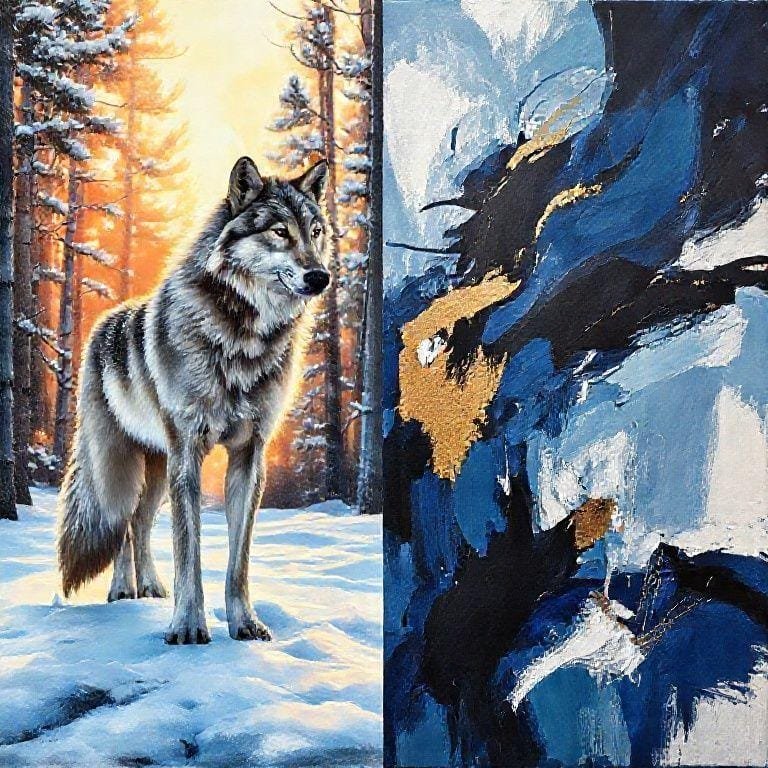
Think of it like choosing between two different ways of telling a story. One way is like a clear photograph. It shows you exactly what something looks like, with every detail in place. The other way is like a poem. It uses colors, shapes, and feelings to give you the idea of something, letting your mind fill in the rest. This is the big difference between realistic art and abstract art. It’s a choice that says a lot about how you see things and what you feel.
For a very long time, artists have talked about which is better: showing the world as our eyes see it, or showing it through our emotions and ideas. Today, this isn’t just a talk for art experts. It’s a real choice when you want to put art in your home. The style you pick becomes part of your everyday life. It can change your mood, start talks with friends, and show a piece of who you are. It’s more than just matching your furniture; it’s about what feels right to you.
This guide will walk you through the special pull of both abstract and realistic art. We’ll look at the ideas behind each one and how they make us feel. We’ll also see how they work in your home’s design. Whether you love the known world of a perfect landscape or the interesting puzzle of shapes and colors, knowing these styles helps you create a home that is truly yours. For people who love animals, places like Paw Creativ show great examples of both styles. They turn love for animals into wall art that can show either their exact beauty or their deeper spirit.
The Pull of Realism: A Clear Picture of the World
Realism tries to show things just as they are. It’s like a window you can look through. For people who love animals, this means art that catches the fine lines of fur, the smart look in an eye, or the strong beauty of an animal in nature. The appeal is quick and deep. There’s a comfort in seeing something you know, shown with great skill.
The strength of realistic animal art is how it makes a link. A very detailed picture of a family dog can bring back strong memories and love. A wide scene with wild horses touches our wonder for nature. This style often focuses on technical skill—how light falls on water, the soft changes of color in a feather, the exact shape of a moving body. It’s art that cheers for the world we can see, in all its detail. As one expert said, the push toward realism has been a strong force, with artists working to “conquer reality” and make a believable picture of life.
In your home, realism acts like an anchor. It steadies a room, giving you clear points to look at that are easy to understand. A big, realistic painting of a calm forest can make a living room feel like a peaceful getaway. In an office, a detailed wildlife photo can help you focus and feel linked to nature. This style works well in spaces for rest or deep thought, because it doesn’t ask you to figure it out like abstract art might. It gives its beauty more straight-forwardly. For those wanting to bring the wonder of animals into their homes with clear respect, realistic pieces are like permanent windows to nature.
The Heart of Abstraction: Art of Feeling and Thought
If realism is a window, abstraction is a mirror. It doesn’t try to show the outside world directly. Instead, it uses shapes, colors, forms, and brush strokes to create its effect. Abstract art can start from something real—making it simpler, changing it, or making it bigger—or it can come from pure imagination. For animal themes, abstraction might catch the energy of a running horse with active lines, the mystery of a cat with hinting shapes, or the core idea of a bird’s flight with wide curves of color.
The pull of abstract art is about the mind and the heart. It asks you to join in, to bring your own feelings and find your own meaning. It starts conversations and can seem different as your mood changes. A famous abstract painter thought color and form had a spiritual power, able to talk right to your soul without needing recognizable objects. He wrote,
“Color is a power which directly influences the soul.”
Abstract animal art works on this idea. It uses the symbolic power of an animal—like a wolf’s loyalty or an owl’s wisdom—and shows it through a visual language of emotion.
In home design, abstract art adds movement, style, and a modern touch. It can be the bold piece that sets a room’s color scheme or the interesting bit that adds depth to a simple space. Because it isn’t tied to showing something exactly, it often fits more easily with different colors and styles. A bright, abstract take on fish can wake up a plain room. A black-and-white, textured piece that suggests animal fur can add warmth. For the bold decorator or the deep thinker, abstract animal art is a way to celebrate animals not just as living things, but as strong symbols and sources of pure art ideas.
Looking Back: From Ancient Times to Now
The back-and-forth between showing things and abstracting them is as old as art. Early humans painted very realistic animals on cave walls, maybe wanting magical accuracy for hunting. But in those same old places, we also find handprints and signs—early kinds of abstract expression. Art history isn’t a straight line from simple to real; it’s a swing between these two basic wants, each one strong in different times.
The Renaissance period loved realism through science—using perspective, body study, and light and shadow. This let artists create amazingly lifelike work. For centuries, skill in copying was the top goal. The 1800s saw art that began to focus on the artist’s personal impression and emotional response over strict copying, loosening the brushstroke and playing with light. This opened the door for change.
The 1900s swung that door wide open. New art movements broke subjects into shapes, changed form for emotional effect, and finally made the act of painting itself the main point. This established abstraction as a real, powerful way of making art. Artists showed that art could be about ideas, feelings, and pure visual experience, not just showing things. Today, we live in an art world where both traditions live together and even help each other. Modern animal art shows this well, giving us everything from photo-like digital paintings to art that uses abstract forms to talk about nature. Knowing this history frees us as people who look at and buy art. We can enjoy the technical wonder of a realistic piece and the brave expression of an abstract one, knowing both are part of our long creative talk.
How It Makes You Feel and What It Means to You
Your reaction to art is very personal, and the style shapes that reaction. Realistic art often causes a quicker, shared emotional response. The “aww” from a puppy picture or the awe from a wild scene—these are feelings many people have together. This style can give comfort, inspiration, and a sense of steadiness. It speaks to our love of stories and our link to the real world. For someone who finds peace in nature or great joy in pets, realistic animal art can feel like a solid rock, a piece of that loved world brought inside.
Abstract art, on the other hand, works on the emotions in a more private, looking-inward way. It might bring up a feeling you can’t easily name—a sense of restlessness, calm, or happiness caused by how colors work together or a sweeping line. It asks for and pays back quiet thought. The meaning isn’t given to you; you help create it between the art and your own mind. For someone who likes thinking deeply, mystery, or having their views questioned, abstract art can be a source of endless interest. An abstract piece about a raven might not show the bird, but through dark, shiny textures and sharp shapes, it could suggest the bird’s legendary smartness and mystery, letting each person see their own story.
Think about your own emotional world. Do you want art that calms and feels safe, or art that wakes up your mind and makes you wonder? Do you like pieces that everyone gets, or ones that are like a personal puzzle? Your answers will point you to the style that will give you the most lasting happiness. A home should be your safe place, and the art on your walls should add to the emotional feel you want, whether that’s the peaceful familiarity of realism or the thought-provoking mystery of abstraction.
How It Works in Your Space and Fits Your Design
Besides what you like, practical things about your space can help you choose. Realistic art, especially big pieces with detailed scenes, often works as a main point of focus. It grabs attention and can set the color scheme and mood of a whole room. It looks great in traditional, rustic, farmhouse, or classic modern rooms. A large, realistic painting of a country scene with animals can make a formal dining room feel impressive but still friendly. The key is size and where you put it; realistic pieces need space so their details can be seen.
Abstract art gives you lots of flexibility. Because it doesn’t show a real subject, it often fits more easily into different color plans and building styles, from mid-century modern to industrial. A big abstract canvas can add a needed jolt of energy to a plain room. A set of smaller abstract pieces can make a stylish gallery wall. Abstract art is also great for pulling together different colors in a space, as you can find pieces that use several accent colors from your decor. Also, abstract art can change how you see the size of a room—up-and-down lines can make a room seem taller, while side-to-side layouts can make it feel wider.
Think about what the room is for. A home office might do well with the focused, inspiring detail of a realistic wildlife photo. A space for quiet thought might be better with a soft, abstract piece that lets the mind roam. A busy family room could handle a bold, colorful abstract that shows lively energy. Don’t be scared to mix styles! A well-put-together home often has both. You might have a realistic picture of your pet in a private corner and a big abstract piece about ocean life in the living room. The difference can be exciting and show a many-sided personality.
The Paw Creativ View: Cheering for Both Sides
At Paw Creativ, we believe love for animals goes beyond any one art style. That’s why our collection cheers for the whole range, offering everything from amazingly realistic wildlife photos and drawings to bold, modern abstract pieces inspired by animals. We know that one person’s safe place is a cozy room with familiar, comforting pictures of animals, while another’s is a smooth apartment energized by the symbolic power of abstract forms.
For the realist, we offer pieces that catch the deep look of a wolf, the fine pattern on a butterfly’s wing, or the fun actions of pets with stunning clearness. These artworks are for people who want to bring a piece of the natural world inside, to remember its beauty and detail every day. For the abstract fan, our artists take apart and reimagine animal forms, using color, texture, and line to show the spirit, movement, or symbolic heart of creatures. These pieces are perfect for the modern home, working as stylish focal points that create curiosity and personal meaning.
Choosing between abstract and realism isn’t about picking the “right” or “better” style; it’s about finding which visual language talks to you. We ask you to explore both paths. Look through our realistic collections to find a work of detail that amazes you. Then, walk through our abstract sections and see if a certain mix of color and form stirs something new in you. Your perfect piece is the one you can’t stop looking at, the one that feels like it was made for your wall and your life story. Whether you find it in the true lines of realism or the feeling-filled moves of abstraction, it will be a sign of your unique view and your passion for the animal world.
Making Your Choice: A Hands-On Guide
Still unsure? Let’s simplify it with some practical questions.
- First, look at your current decor. Is your furniture classic and detailed, or simple and modern? Realism often goes with traditional settings, while abstraction leans modern, though there are always mixes.
- Second, think about the room’s light. Detailed realism can look better with good, direct light to show its fine points. Abstract art, especially pieces with texture, can work beautifully with both natural and soft light, creating different looks all day.
- Third, and most important, listen to your gut. When you look at art online or in a store, what always makes you stop? Do you find yourself looking close at the details of a fox’s fur, or are you pulled to a painting where the fox is just a flash of orange and a clever shape? Your natural pull is a strong guide.
Finally, don’t forget you can mix. You are not choosing one style forever. A home’s art can and should grow. Start with one main piece in the style that calls to you most. Live with it. See how it makes you feel over time. That experience will guide your next choice.
Remember, art is part of your personality. If you are someone who values clearness, tradition, and touchable beauty, realism may be your natural language. If you are pulled to mystery, emotion, and mental puzzles, abstraction might be where you find your voice. There is no wrong answer, only a path to what feels right. Places like Paw Creativ make this search happy, offering chosen collections that make sure of quality and true art, whether you’re buying a lasting realistic scene or a daring abstract piece that gets people talking.
In the end, the talk between abstract and realism isn’t a fight to win; it’s a range to discover. Both styles give deep ways to see beauty, show who you are, and connect with the world—and animals give a subject that always inspires both. Realism gives us the gift of knowing, a deep thanks for the fine details of the life around us. Abstraction gives the gift of meaning-making, a place for our own emotions and thoughts to move with color and form.
Your home is your own artwork. The art you choose fills that artwork with meaning. Whether you pick a piece that mirrors the world exactly or one that charts the lands of feeling, make sure it is something that talks to you truly. Let it be a source of daily joy, a reflection of what you love, and a window to the parts of life—whether solid or idea-based—that you care about most. Explore both styles with an open mind and heart. You might be surprised by what you find you love. And when your passion includes the amazing world of animals, remember that this love can be shown in many artistic languages, each one waiting to be found and brought home.