
Your cart is currently empty!
Augmented Reality Transforms Wall Art Forever
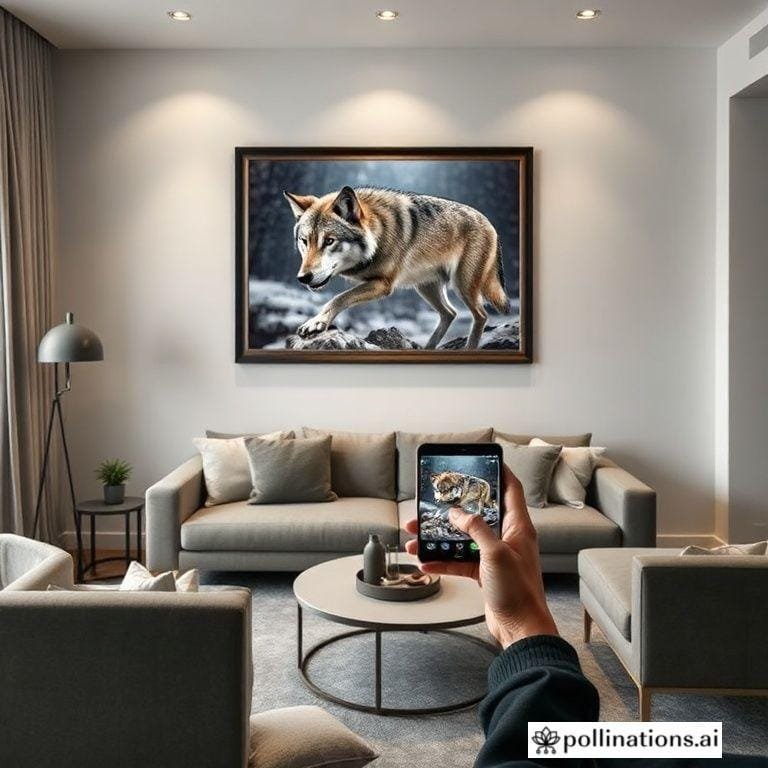
Imagine walking into your living room and seeing your favorite artwork come to life. A calm landscape painting shows gentle movement in the trees, a picture of your pet suddenly wags its tail, and an abstract piece reveals hidden layers through interactive parts. This isn’t science fiction—it’s the new reality that augmented reality technology brings to wall art and home decoration.
The combination of AR technology with traditional print art is like mixing old-fashioned craftsmanship with modern digital tools. We’re seeing a big change in how we experience and interact with the art that surrounds us every day. This transformation goes beyond being just a cool new feature—it’s creating stronger emotional connections, improving storytelling, and changing what it means to own and display artwork in our homes.
At Paw Creativ, we’ve been leading this art revolution, carefully adding AR features to our animal-themed wall art collections. Our journey into this new territory has shown us amazing possibilities for how art can engage, inspire, and change living spaces.
The Start of the AR Art Change
Adding augmented reality to wall art is like switching from black-and-white television to color—it’s a major shift that’s been developing for years. While AR technology has existed since the 1960s, its use in decorative arts has only recently become practical and artistically interesting. The coming together of several technological improvements—including better smartphone cameras, smart image recognition systems, and powerful mobile processors—has created the perfect environment for AR art to grow.
What makes this change especially exciting is how it connects traditional art appreciation with digital interaction. Unlike virtual reality, which creates completely artificial environments, augmented reality enhances our existing world by adding digital elements to the physical space. This means your favorite print artwork remains beautiful on its own, while the AR layer adds depth, movement, and interaction that you can access whenever you want.
The numbers supporting this transformation are impressive. According to recent market research, the global augmented reality market in art and design is expected to grow rapidly between 2023 and 2030. Major museums and galleries worldwide have already started adding AR features to their exhibitions, showing the technology’s potential to improve artistic experiences in all settings.
As one art expert notes: “The combination of physical print art with augmented reality represents the most important development in decorative arts since the invention of the printing press. We’re not just adding digital elements to artwork—we’re creating completely new artistic languages that speak to both our aesthetic tastes and our technological realities.”
This revolution is especially meaningful for animal-themed art, where AR technology can bring creatures to life in ways we never thought possible. Imagine a majestic wolf print that occasionally turns to look at you, or a playful kitten artwork that responds to your presence with animated curiosity. These aren’t distant dreams—they’re the reality that forward-thinking art platforms like Paw Creativ are already delivering to homes worldwide.
How AR Technology Works with Print Art
Understanding the technical magic behind AR-enhanced wall art is like learning how a magician performs tricks—it reveals the smart engineering that makes these experiences possible. At its heart, the technology depends on sophisticated image recognition systems that can identify specific artworks and start corresponding digital content. When you point your smartphone or tablet camera at an AR-enabled print, the device doesn’t just see a flat image—it recognizes unique visual markers and spatial relationships that tell it exactly which artwork you’re viewing.
The process begins during the artwork creation phase. Artists and developers work together to design both the physical print and its digital partner, making sure they complement each other perfectly. Special attention is given to how the digital elements will interact with the physical artwork’s composition, colors, and theme. This teamwork ensures that the AR experience improves rather than overwhelms the original artistic vision.
From a technical perspective, the system works through several key parts: the artwork itself serves as the starter, containing subtle visual cues that smart algorithms can recognize; the viewing device (usually a smartphone or tablet) captures the image and processes it through specialized software; and the digital content—whether animation, sound, or interactive elements—is created in real-time, perfectly matched with the physical artwork.
The beauty of this technology is its accessibility. Users don’t need special equipment beyond their existing smartphones and a simple app download. At Paw Creativ, we’ve made this process smooth to make AR art experiences as easy as possible. Our dedicated app recognizes our complete catalog of animal-themed artworks, instantly changing static prints into dynamic, living pieces that respond to their environment and the viewer’s interactions.
As technology continues to advance, we’re seeing even more sophisticated versions appear. Some systems now include spatial mapping to understand the artwork’s position in three-dimensional space, allowing digital elements to interact with the room environment. Others use machine learning to adapt the AR experience based on viewing patterns and user preferences, creating increasingly personalized artistic encounters with each interaction.
Changing Still Spaces into Moving Environments
The most immediate and deep impact of AR-enhanced wall art is its ability to transform still living spaces into dynamic, changing environments. Traditional artwork, while beautiful, stays the same from day to day. AR art, however, can respond to time of day, weather conditions, seasonal changes, or even the mood of the room’s occupants. This creates a living, breathing element in home decor that traditional art simply cannot match.
Consider the practical effects for interior design. A single AR-enhanced artwork can serve multiple decorative purposes throughout the day. In the morning, your animal-themed print might display energetic, wakeful animations that help start your day positively. During evening hours, the same artwork could change to calmer, more peaceful digital elements that promote relaxation. This adaptability makes AR art incredibly useful for modern living spaces where room functions often change throughout the day.
The emotional impact of dynamic art is significant. Psychological studies have consistently shown that our environments greatly influence our mental states and emotional well-being. AR art allows for curated emotional experiences that can be tailored to individual needs and preferences. Research has found that people in spaces with dynamic, responsive artwork reported higher satisfaction with their environment and showed significantly reduced stress levels compared to those in static environments.
At Paw Creativ, we’ve seen firsthand how our AR-enhanced animal artworks transform customer experiences. One customer shared how our “Majestic Forest Friends” collection helped her home office feel more alive and connected to nature, even during long workdays. The subtle movements of the digital deer and occasional appearance of animated birds created a sense of presence that made her workspace feel less isolated and more inspiring.
This transformation extends beyond individual artworks to create connected environmental experiences. Multiple AR pieces in a single room can be programmed to interact with each other, creating coordinated displays that tell larger stories or establish specific atmospheres. The potential for creating truly immersive, theme-based rooms using coordinated AR artworks represents an exciting new area in interior design that’s only beginning to be explored.
Personalization and Interactive Experiences
Perhaps the most revolutionary aspect of AR wall art is its capacity for personalization and interactivity. Unlike traditional artwork that stays the same regardless of who views it, AR art can be programmed to respond to specific viewers, recognize individual preferences, and even include personal elements into the viewing experience. This creates a deeply personal connection between the artwork and its owner that goes beyond conventional art appreciation.
The personalization possibilities are almost endless. AR systems can be set up to recognize individual family members through facial recognition or device pairing, then display customized content based on each person’s preferences. A child might see playful, educational animations when viewing an animal artwork, while an adult viewing the same piece experiences more sophisticated artistic interpretations. This multi-layered approach makes AR art appealing across different age groups and personal tastes.
Interactive features take personalization even further. Some AR artworks respond to voice commands, physical gestures, or even body data from wearable devices. Imagine an artwork that changes its displayed mood based on your stress levels, or one that tells different stories depending on how you interact with it. These capabilities transform wall art from passive decoration into active companions that engage with viewers in meaningful ways.
At Paw Creativ, we’ve developed several interactive features specifically for our animal-themed collections. Our “Wild Companion” series, for example, allows users to “feed” digital animals by scanning specific objects, creating a game-like experience that encourages regular interaction. Another popular feature lets users record personal messages that certain artworks will “speak” when activated, turning decorative pieces into cherished family treasures with embedded memories and stories.
The information supporting the value of personalized art experiences is convincing. Market research indicates that consumers are willing to pay more for customizable art products compared to standard offerings. Furthermore, engagement numbers show that personalized AR artworks receive much more daily interaction than static pieces, demonstrating their ability to maintain long-term interest and emotional connection.
Educational and Healing Applications
Beyond their decorative and entertainment value, AR-enhanced wall artworks are proving to be powerful tools for education and therapy. The combination of visual appeal, interactive elements, and customizable content creates unique opportunities for learning and healing that traditional art forms cannot easily copy. This expanded functionality makes AR art particularly valuable in environments like children’s rooms, educational spaces, healthcare facilities, and therapeutic settings.
In educational situations, AR animal artworks can serve as engaging teaching tools. A simple print of African wildlife might, when activated, provide information about each animal’s home environment, behavior, and protection status. Interactive quizzes, storytelling features, and progression-based learning modules can be added smoothly into the viewing experience. This transforms what might otherwise be passive decoration into active learning opportunities that stimulate curiosity and knowledge retention.
The healing applications are equally promising. Art therapy has long recognized the healing power of engaging with visual art, and AR technology increases these benefits through interactive engagement. For individuals with anxiety or stress-related conditions, AR artworks can be programmed with calming animations, guided breathing exercises, or mindfulness prompts. The ability to control and interact with the art provides a sense of power that can be particularly therapeutic for those feeling helpless in other aspects of their lives.
Research demonstrates remarkable results when AR art is included in therapeutic practices. One study involving patients with chronic pain conditions found that regular interaction with therapeutic AR artworks reduced reported pain levels and decreased anxiety scores over time. The combination of aesthetic pleasure, interactive engagement, and personalized content created a multi-sensory experience that effectively distracted from pain while promoting relaxation.
At Paw Creativ, we’ve worked with child development specialists to create AR artworks specifically designed for children’s healthcare environments. These pieces feature friendly animal characters that guide children through medical procedures using storytelling and interactive games, significantly reducing procedure-related anxiety and creating positive connections with healthcare spaces. The success of these projects has inspired us to explore additional therapeutic applications across different groups and needs.
The Future of AR Art Technology
As we look toward the future of augmented reality in wall art, several exciting developments promise to further revolutionize how we experience and interact with decorative pieces in our homes. The fast pace of technological advancement suggests that what we consider advanced today will likely become standard within just a few years, with even more sophisticated capabilities appearing continuously.
One of the most anticipated developments is the integration of artificial intelligence with AR art systems. Future artworks may feature AI-driven characters that learn from interactions, develop unique personalities, and form genuine relationships with viewers. Imagine an animal artwork that remembers your preferences, anticipates your moods, and changes its behavior based on your interaction patterns. This level of personalization would create art experiences that feel truly alive and responsive in ways previously limited to science fiction.
Another promising area involves multi-sensory integration. Current AR art primarily engages visual and occasionally hearing senses, but future versions may include touch feedback, scent release, and even temperature control to create fully immersive environmental experiences. A winter wildlife scene might be accompanied by subtle cooling effects and the scent of pine, while a tropical animal artwork could feature warm breezes and floral fragrances. These multi-sensory approaches would deepen the emotional impact and memorability of artistic experiences.
The evolution of display technology also promises significant changes. As transparent displays and projection mapping systems become more affordable and sophisticated, the distinction between physical and digital art may blur completely. We’re moving toward a future where artworks can smoothly transition between static prints and dynamic displays without requiring separate viewing devices. This integration will make AR art more accessible and naturally included in daily life.
Industry experts predict that within the next ten years, AR capabilities will become standard features in most premium art prints, much like high-quality paper and archival inks are today. The technology will become increasingly invisible to users, focusing attention on the artistic experience rather than the technical mechanisms enabling it. This growth represents an exciting shift from novelty to necessity in how we think about and value wall art in our personal spaces.
Adding AR Art to Your Home
Successfully including AR-enhanced wall art into your home involves considerations beyond traditional art placement. While the basic principles of good design still apply—considering size, lighting, color harmony, and room function—AR art introduces additional factors that can maximize its impact and integration into your living space. Thoughtful placement and usage strategies can transform these pieces from technological novelties into essential components of your home environment.
The first consideration involves device accessibility and viewing angles. Since most current AR art requires smartphone or tablet interaction, it’s helpful to position pieces in areas where these devices are commonly used. Living rooms, home offices, and bedrooms often work well, while spaces like formal dining rooms or hallways might see less interactive engagement. Consider the sightlines from common seating areas and ensure there’s adequate space for comfortable viewing without obstruction.
Lighting conditions significantly affect AR performance. While most systems work well in normal indoor lighting, extremely bright or dim conditions can impact image recognition and display quality. Position AR artworks away from direct sunlight or harsh overhead lighting that might create glare on device screens. The good news is that as the technology advances, these limitations are quickly disappearing, with newer systems performing well across diverse lighting situations.
Perhaps the most important consideration involves balancing AR interaction with aesthetic appreciation. The most successful AR art installations work beautifully as traditional artwork when not activated, while offering enhanced experiences when desired. At Paw Creativ, we design all our pieces to stand on their own artistic merits, with AR features serving as delightful bonuses rather than essential components. This approach ensures that your space remains visually connected and appealing even during periods when you’re not actively engaging with the augmented reality elements.
As you build your collection, consider creating thematic connections between different AR artworks. Multiple pieces from the same series can be programmed to interact with each other, creating coordinated displays that tell larger stories or establish specific moods. This approach transforms individual artworks into parts of a larger environmental experience, making your entire space feel more connected and intentionally designed.
The integration of AR wall art represents an exciting evolution in home decor that combines timeless aesthetic appeal with cutting-edge technology. By considering these placement and usage strategies, you can create spaces that are not only beautiful but dynamically engaging, personally meaningful, and constantly changing to reflect your evolving needs and preferences.
Conclusion
The transformation of wall art through augmented reality technology represents one of the most exciting developments in home decor and personal expression we’ve seen in generations. What began as technological novelty has grown into a sophisticated artistic medium that enhances how we experience and interact with the art in our personal spaces. The ability to combine the physical beauty of prints with the dynamic engagement of digital elements creates artistic experiences that are both deeply personal and endlessly fascinating.
As we’ve explored throughout this examination, AR technology is revolutionizing wall art across multiple areas. It’s transforming still spaces into dynamic environments that respond to our presence and preferences. It’s enabling unprecedented levels of personalization and interactivity that create stronger emotional connections between viewers and artworks. It’s expanding the functional applications of art into educational and therapeutic areas. And it’s continuously evolving toward even more sophisticated and integrated future capabilities.
The effects for home decor and personal expression are significant. We’re moving toward a future where the art in our homes becomes active participants in our daily lives—companions that learn our preferences, respond to our moods, and help create environments that support our well-being. This represents a fundamental shift from art as object to art as experience, with important implications for how we design our living spaces and choose our personal environments.
At Paw Creativ, we’re proud to be leading this artistic revolution, creating animal-themed AR artworks that bring joy, wonder, and connection to homes worldwide. Our commitment to combining artistic excellence with technological innovation ensures that our customers experience the very best of what this new artistic frontier has to offer. As the technology continues to evolve and become more accessible, we look forward to helping even more people transform their living spaces into dynamic, engaging environments that reflect their personalities and enhance their daily lives.
The future of wall art is here, and it’s more alive, interactive, and personally meaningful than ever before. Whether you’re an art enthusiast, technology early user, or simply someone who wants to create a more engaging home environment, augmented reality art offers exciting possibilities that are worth exploring. The revolution has begun, and the canvas of possibility is limited only by our imagination.