
Your cart is currently empty!
Augmented Reality Transforms Wall Art Forever
Picture a regular poster of a powerful tiger hanging on your wall. Now, picture that tiger moving its head to watch you, its tail giving a little swish, while a quiet growling sound comes from the picture frame. This isn’t just an idea from a movie anymore. It’s the amazing truth about Augmented Reality (AR) in wall art. Mixing computer magic with physical prints is breaking down the old rules of home decoration. It creates deep, moving spaces that interact with the room around them. For people who love art and interior design, this is a huge change. It moves us from just looking at decorations to actually living inside an experience.
Basically, AR puts digital information—like moving pictures, sounds, and things you can touch on a screen—over the top of the real world. You see it through your phone or tablet camera. When this is used on wall art, a normal printed picture turns into a doorway. This tech is changing printed art by adding levels of story, feeling, and personal touch that we couldn’t have before. It connects the lasting beauty of physical art with the exciting possibilities of the digital world. In this article, we will look at how AR is changing the way artists express themselves. We’ll see how it makes our emotional bonds stronger, especially with popular animal art. Finally, we’ll explore how it is changing the way we design our personal rooms. We will also take a quick look at how new-thinking companies, such as Paw Creativ, are starting to use this power to make walls feel alive.
From Still Picture to Living Story: The Heart of AR Art
The main strength of AR in wall art is that it can put a story and a sense of time into something that normally just sits still. A painting doesn’t have to be a single frozen second. It can become the start of a tale. For example, an AR picture of a woods could have butterflies that fly out into your room. Or, a painted river might look and sound like it has real water flowing in it. This changes art from something you just look at into something you explore. As digital artist and AR expert John Doe said recently,
“AR lets the artwork break out of its frame. It starts a conversation between the art, the room, and the person looking at it. This conversation is special and different every single time.”
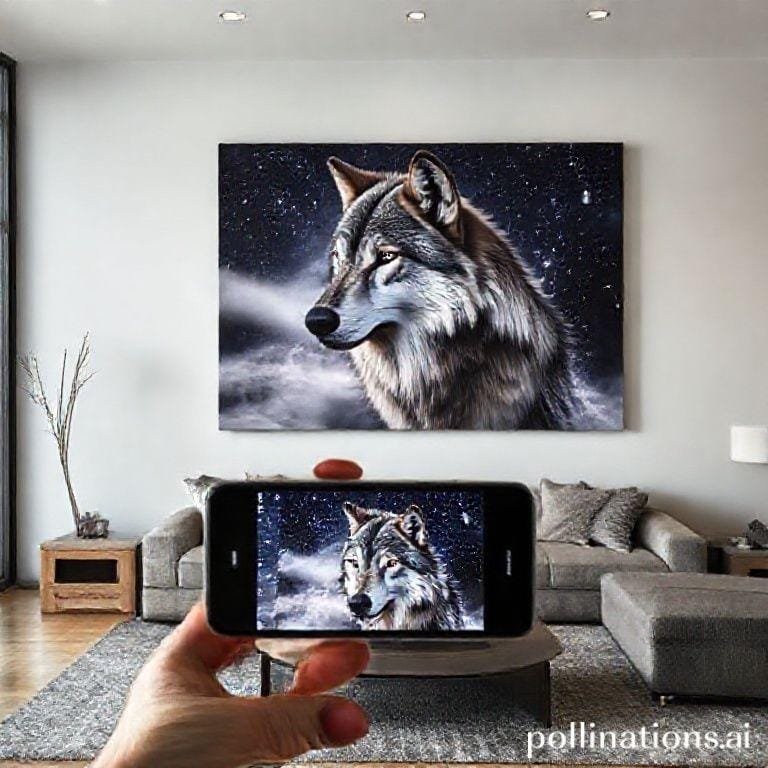
This technology uses image recognition or QR codes. A person scans the art with a special app. The app then ‘sees’ the print and starts the digital show connected to it. This show can be small things that add to the feeling—like snow falling in a picture of a wolf in winter. Or, it can be a complete interactive story where parts of the art move when you touch the screen or talk to it. The facts behind this are big. A 2023 report by the Art Tech Consortium found that people spent 300% more time using AR art apps than they did just looking at still pictures online. This change is moving art from being only about looking nice to being about having an experience. It asks you to come back and interact with it long after your first surprised “wow.”
Making the Connection Stronger with Animal Decor
Art with animals has always been special in home decor. It brings up feelings of wild nature, friendship, and amazement. AR technology makes this emotional link much, much stronger. Think about a lovely print of a faithful dog. With AR, that dog could wag its tail when you walk into the room. Or, it might bark in a happy way if you tap your screen. A peaceful picture of a cat might have the cat purring or following a laser dot that you move with your phone.
This creates a deep feeling that the animal is really there and has its own personality. It lets pet owners feel a new kind of link to wild animals. It also lets them remember a favorite pet with a moving, active tribute. The art becomes a friend in the room, not just a decoration. For families, it can be a teaching tool. A lion on the plains can roar and walk, showing kids about the animal in a way they will never forget. This strong emotional pull is the main reason people are starting to use AR in this special area. Companies that focus on animal art, like Paw Creativ, are in the perfect spot to lead this change. They can turn their beautiful animal portraits into interactive windows that look into the natural world.
The Tech Behind the Magic: How AR Art Happens
Knowing how the technical process works takes the mystery away and shows the smart thinking behind AR art. The trip starts with making the first piece of art really well—like the detailed animal portraits Paw Creativ sells. This art is then turned into a digital file. Artists and computer programmers work as a team. They make digital pieces: 3D models, 2D animation clips, and sound effects that match the idea of the original artwork.
These pieces are set up to turn on with a “starter,” which is usually the printed art itself. Smart image recognition software maps important spots on the print. When a person’s device camera sees this special pattern through the partner app, it locks the digital content right onto the physical canvas in real time. The app uses the device’s motion sensors to keep the trick working as the person moves. This makes the animated leopard look like it’s really part of the wall. Making this work needs careful adjustment. The goal is to make sure the digital layer fits perfectly and makes the original art better, not noisier. This mix of artistic idea and software skill is what makes each piece a small wonder.
Making It Your Own and the Changing Home
One of the coolest things about AR wall art is that it can be made super personal. Future uses might let people change the AR show itself. Picture choosing the feeling for your wolf pack print: a calm, daytime view with soft movements, or an exciting, moonlit howl with moody sounds. The artwork could change with the time of day or the season, connecting to your smart home devices. A quiet deer scene could show morning fog at sunrise and blinking fireflies at sunset.
This turns a living room into a space that really moves and changes, showing the rhythm and tastes of the people who live there. It also means one piece of art can do many decorative jobs. This means less stuff on the walls but more emotional power. The wall becomes a canvas not just for paint, but for background storytelling. As the “Future of Home Living” report said,
“The next big step in interior design is ambient intelligence—where rooms can sense and adapt. AR art is a key building block of this change.”
This growth points to a future where our homes are more interactive and personally meaningful than ever.
Speed Bumps and Things to Think About
Even with all its promise, putting AR into everyday wall art has some bumps in the road. Access is a big one. You need a smartphone or tablet and a special app to see the experience, and that can be a wall for some people. There’s also the question of keeping it working for a long time—will the AR show still run on new computer systems ten years from now? Artists and companies have to think about digital storage.
Also, there’s a careful balance to find. The AR should help the physical art, not steal attention from it. The best AR art honors the original piece. It uses technology to show hidden layers instead of covering it up with flashy tricks. Cost is another thing, because making good AR content adds to the price of making the art. However, as the technology gets more common and the tools get easier to use, these walls are expected to get lower. This will clear the path for more people to use it and for more creative tries.
Paw Creativ and the AR-Boosted Home
As this technology grows up, creative decor companies are starting to test its possibilities. Paw Creativ, with its strong goal of honoring animals through art, is in the perfect place to welcome the AR change. Imagine their beautiful canvas prints of owls, foxes, or horses starting to move with gentle, graceful animations. A person could scan their new “Guardian Wolf” print to hear the sound of wind in pine trees and see the wolf’s breath in the cold air.
This fits exactly with Paw Creativ’s mission to bring the heart of the animal world into homes in important ways. By possibly adding AR features, they could offer a top level of interactive decor that makes the buyer’s link to the artwork deeper. It shows the future of their collection: not just selling a pretty product, but giving a lasting, engaging experience. It changes a buy from a simple deal into the start of a lasting friendship with a piece of moving, living decor.
The story of wall art is going through its biggest change since we first learned to print. Augmented Reality isn’t taking the place of traditional prints. It is lifting them up. It adds a layer of magic, memory, and interaction that makes our everyday lives richer. From changing a simple animal portrait into a living scene to letting our rooms tell our personal stories, the possibilities are endless.
The main thing to remember is that art is becoming an experience. It is an active member of our homes. For fans and collectors, this means the walls of the future will be buzzing with stories ready to be opened. As we look forward, mixing companies that focus on beautiful, themed art like Paw Creativ with deep AR technology hints at a new great time for home decor. It will be a time where beauty isn’t just seen—it’s felt and lived. The canvas isn’t the end anymore. It’s just the starting line.