
Your cart is currently empty!
Boost Your Focus with Strategic Wall Art
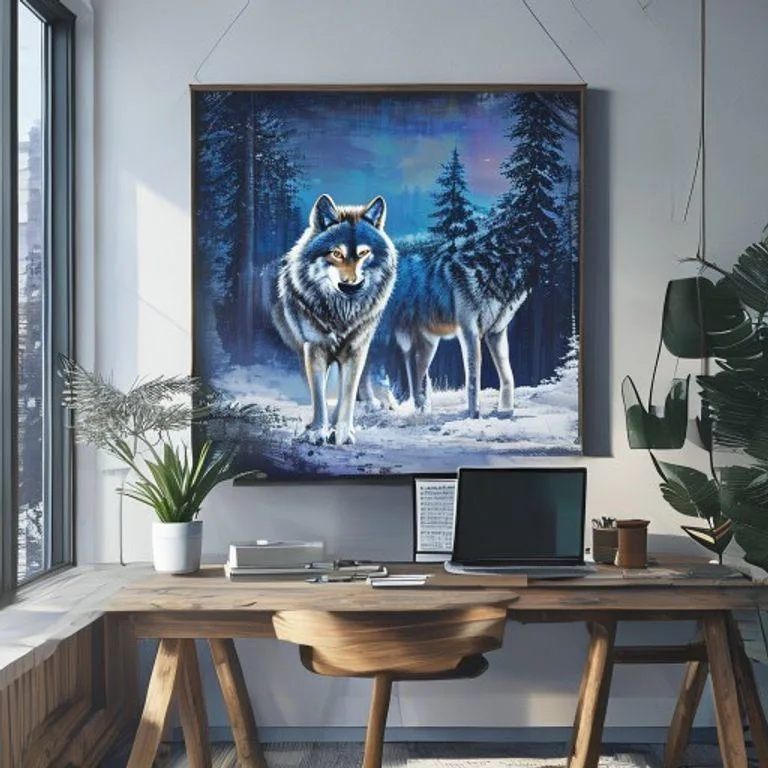
Imagine walking into your work area and feeling a wave of calm, focus, and good ideas wash over you. This isn’t just a dream for fancy offices; it’s something real you can build with one strong ingredient: art on your walls. For years, office design was all about empty, plain spaces meant only for work. But a big change is happening. We now know that what’s around us really changes how we think. The empty walls of a basic office aren’t just dull; they’re a lost chance to feed your work, creativity, and happiness. Art at work is no longer just for looks or something extra—it’s a smart tool for doing better.
From lowering worry and lifting your mood to lighting up new ideas and showing what a company believes, the right artwork can change a plain office into a lively engine for getting things done. This article will look at the interesting science of how what we see changes our brains. It will give you clear steps for picking art that fits your goals. It will also show you how to mix these ideas into any work area, from a big company building to your home desk. We’ll dive into the feelings behind colors, the strength of nature pictures, and the quiet pull of abstract shapes. By the end, you’ll see your walls not as limits, but as blank spaces for growing a more driven, focused, and successful you.
The Science of Sight: How Art Talks to Your Brain
The link between what we look at and how we think is buried deep in brain science. When we see art, it’s not a blank stare; it’s an active brain event. The part of your brain that handles vision takes in shapes, colors, and designs. But that information quickly travels to other brain areas like the emotion center, the memory center, and the planning center. This brain chat is why a peaceful nature scene can lower stress, or a bright, abstract piece can switch on a state of alertness that helps solve problems.
Studies keep proving this. Research found that people in offices with art and plants said they felt 15% better and saw their workplaces as more creative. Another study showed that letting workers add their own art and photos to their space led to a 32% jump in how much they got done. The reason is clear: art cuts down mental tiredness. Staring at a blank wall or a messy computer screen creates a kind of visual boredom that drains your brain’s battery. Art gives a healing break for your eyes and mind. It offers a soft, interesting focus that lets the brain’s hard-thinking circuits rest and power up, leading to better attention when you go back to your job.
“Art in the workplace isn’t about decoration; it’s about creating an environment that supports the cognitive and emotional needs of the people working there. It’s a tool for well-being and performance.” – Dr. Craig Knight, Psychology Researcher specializing in workspace design.
This isn’t about hanging any old poster. The effect depends a lot on what’s in the picture. Art that shows real things, like landscapes or animals, can bring out specific feelings—calm, joy, wonder. Abstract art, however, can wake up the brain’s pattern-finding spots, possibly leading to more open thinking. The big lesson is doing it on purpose. By knowing the basic science, you can move from just decorating to carefully planning a visual space that helps your mental work flow.
Color Feelings: Painting Your Mood and Energy
Color is the fastest and strongest part of art. It doesn’t just create a mood; it can physically change your heart rate, breathing, and brain waves. Picking the right color family for your work art is super important. Blues and greens are almost always linked to calm, steadiness, and focus. They are great for detail jobs, cutting anxiety, and building trust. A big canvas with deep ocean blues or rich forest greens can act like a visual anchor in a busy place.
On the other hand, warmer colors like red, orange, and yellow are energizing and exciting. They can boost enthusiasm, creativity, and lively talk. These are perfect for break areas, idea rooms, or spots for group projects. But use them carefully, as they can also be too much and raise stress if used too heavily in a main work zone. Neutral colors—grays, tans, soft whites—give a clean, simple background that can make other design parts or one standout piece of art shine. They support a feeling of order and simplicity, cutting visual noise.
The best method is often a mixed one. Think about art that combines a calming main color with smart touches of a lively color. For example, a mostly blue ocean picture with a sharp orange sunset stripe can give both focus and a spark of inspiration. The topic you feel close to, wrapped in the right colors, creates a powerful double effect on your daily attitude.
The Nature Boost: Bringing the Outdoors Inside
People naturally want to connect with nature. Bringing this into buildings has huge benefits for work. Art is one of the best ways to do this. Pictures of natural places—woods, oceans, mountains, animals—can really lower stress, improve thinking, and lift mood and creativity.
A major study of workers around the world found that workspaces with natural parts (including nature pictures) saw work go up 6% and creativity and well-being rise 15%. The reason is in our history; our brains are built to react well to places that mean safety and resources. A look at nature, even in a picture, signals no immediate danger, letting the brain relax and do higher-level thinking.
Animal art is a very strong type of this nature design. Animals stand for different strengths—the focus of a big cat, the wisdom of an owl, the toughness of a bear. Having these symbols where you can see them can quietly build the traits you want. This goes past just looking nice; it’s about planting picture clues in your space that match your work goals and what you value, creating a constant, quiet source of motivation.
Making It Yours: Art That Shows You and Your Group
Getting things done is tied to feeling in control and like you belong. When workers feel ownership of their space and connect with their company’s culture, they try harder. Art is a deep way to show both personal and group identity. On your own level, choosing art that speaks to you—whether it’s a favorite animal, a remembered place, or an abstract piece with colors you love—makes a workspace feel like your own. This personal link cuts feelings of being unknown and alone, which are big drains on drive.
For companies, planned art can show company values, mission, and brand story in pictures. This creates a united visual story that workers see every day, supporting a shared goal. It tells both workers and visitors, “This is who we are and what we care about.”
The act of picking art can also be a group, team-building activity. Getting workers to help choose pieces for common areas builds community and shared care for the work environment. The result is a space that doesn’t just hold people but inspires and brings them together. The right art builds a bridge between the person and the group mission, creating a more committed and productive team.
Smart Placement: Where to Put Art for the Best Effect
Even the best-chosen piece loses its power if it’s in the wrong spot. Smart placement is about lining up art with where you look and how you work. The main rule: art should be where you naturally look when you pause from concentrating. Hanging a piece right in front of your desk, where you gaze when thinking or taking a break, is perfect. This turns it into a planned focus point for mental restarts.
Think about what you see from different spots in the room. What do you see when you walk in? This is the place for a bold, welcoming piece that sets the feeling. What do you see when you look up from your computer? This spot is great for a calming or inspiring image that gives visual relief. Size matters a lot. A small print on a big wall can feel tiny and disappear, while a huge piece in a small room can feel heavy. Aim for art that takes up a good amount of the wall—usually, art should cover about two-thirds to three-quarters of the wall space above furniture.
Lighting is the last, key part. Art should have good light to be seen well. Avoid direct glare on glass-covered pieces, which can make annoying reflections. Use picture lights or well-placed room lighting to make the colors and details stand out. With good light, art becomes a changing part of the room that shifts with the time of day, keeping the visual space fresh and interesting.
Picking for Different Work Modes: Focus, Teamwork, and Breaks
Today’s workspaces often need to help different kinds of work: deep focus, group brainstorming, and restful breaks. Your art choice can be fit to mark these areas clearly. For focus zones (single desks, quiet rooms), choose art that is calming and not distracting. This includes nature scenes with repeating patterns (like tree tops or waves), abstract art with soft color blends, or detailed but peaceful animal pictures. The goal is to give a visual “quiet hum” that soothes instead of excites.
For collaboration zones (meeting rooms, open lounges), pick art that energizes and starts talk. This could be bold, colorful abstract pieces, active wildlife shots, or art that makes you think. Art here should be a spark for ideas and open talk. For relaxation or break zones, choose art that is truly restful. Rich landscapes, peaceful water scenes, or images of happy, playful animals are perfect. This art should help people mentally step away from work stress, even for a few minutes, to come back refreshed.
By carefully giving art to these different zones, you create a sensory map for the workspace. Workers quietly understand the job of each area based on its visual signs, which helps them switch mentally between tasks.
Avoiding Common Mistakes: What Not to Do with Office Art
While the good points are clear, errors in picking office art can have no effect or even bad ones. The first big mistake is choosing art that is too plain or not personal. Cheap posters with overused sayings often have the opposite effect, feeling fake and corporate. Art should feel real and chosen with care, not just fill a hole.
Second, visual mess is a work killer. Hanging too many small, different pieces creates a chaotic visual field that fights for your attention. It’s better to have one or two important, well-framed pieces than a wall of distractions. Also, art that is too complicated, dark, or angry can be quietly stressful. Avoid pictures that bring out bad feelings, tension, or sadness in a space meant for work.
Finally, a lack of unity or fit can make a space feel broken. Art should connect to the room’s use and, somewhat, to other design parts in the room. The goal is harmony and purpose. Test possible pieces by asking: Does this image help or block the kind of thinking I need here? Does it lift up or drag down? Is it a background piece or a distracting main event? By avoiding these common errors, you make sure your investment in art truly pays back in focus and spirit.
The walls of your workspace are quiet but powerful speakers. They can whisper stress or shout inspiration, bring tiredness or invite smooth work. By moving past seeing art as just decoration and grabbing it as a smart piece of how places affect the mind, you open a simple but deep tool for boosting work. The proof is strong: less stress, better mood, sharper focus, and lit-up creativity are all within reach through thoughtful choice.
Start by looking at your current space. What do your walls say? Then, use the ideas here. Think about the science of color and nature love. Think about your personal link to certain topics or the group message you want to send. Plan the placement on purpose, fitting art to different work modes. The trip to a more productive workspace starts with a single picture that feels right. Your surroundings are your partner in performance. Choose art that makes it a strong one.