
Your cart is currently empty!
Choosing the Perfect Print Material for Your Art
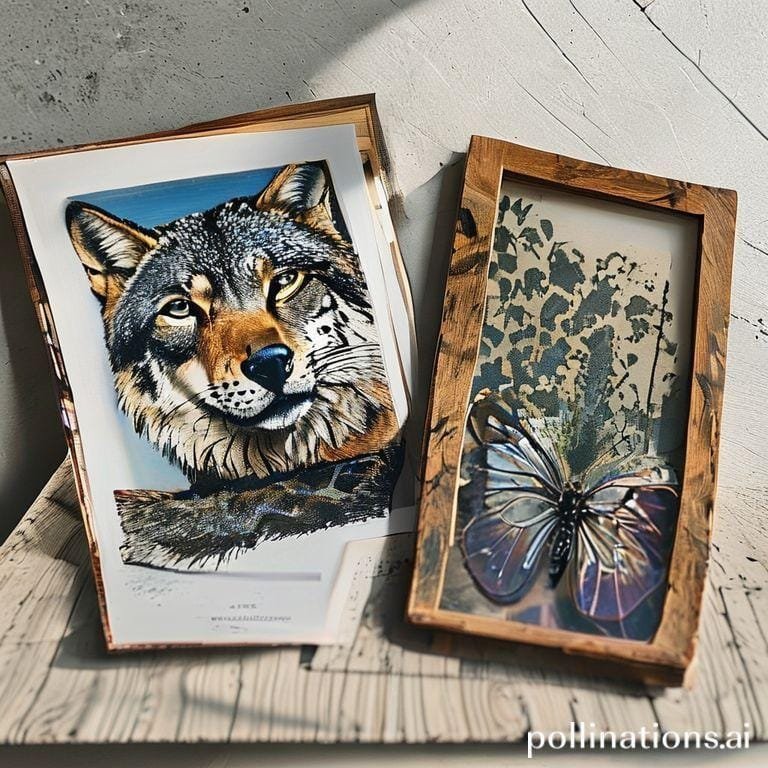
Finding a piece of art that connects with you is special. The last step—deciding how it will look on your wall—is very important. Think of the material for your print not as just a background, but as the artwork’s partner. This partner affects the art’s personality, how long it lasts, and the feeling it creates. For example, a bright photo of an animal can feel deep and surrounding on canvas, sharp and modern on metal, or clean and traditional on fine art paper. Choosing the right material lifts the picture from being just a copy to becoming a loved part of your home.
This guide will walk you through the four main materials for high-quality prints: canvas, metal, acrylic, and archival paper. We’ll look at what makes each one unique, what they’re best for, and how they look. This will help you make a smart choice that fits your space and your taste. Whether you love the textured, cozy feel of a canvas wrap or the shiny, clear look of a glossy finish, knowing about these materials is the key to making your idea real.
Canvas Prints: Classic Feel and Gallery Style
Canvas prints are the traditional choice for art copies. People love them because they can look and feel like an original painting. The image is printed right onto a strong cotton or polyester canvas with special long-lasting inks. Then, the canvas is pulled tight over a wooden frame. This creates a “gallery wrap” where the picture goes around the sides, so you don’t need a separate frame. The natural texture of the canvas adds a physical, real depth to the art. It softens light and creates a warm feeling. This makes it a great match for landscapes, portraits, and artistic pieces where texture adds to the story.
In terms of strength, canvas is very tough. Today’s high-quality canvas and inks are made to fight fading from sunlight for many, many years. As one art expert says,
“A well-made canvas print, kept out of direct sun, can keep its bright colors for more than 75 years.”
The stretched design also means the print is less likely to bend or warp compared to paper behind glass. The look is truly elegant—it brings a feeling of real artistry to any room. For art featuring animals, like the grand wildlife pictures from Paw Creativ, a canvas print can give a noble, lasting quality. It makes the animal feel both impressive and close, like it’s right there in your home.
Metal Prints: Modern Shine and Strong Build
If you want a sleek, current look with amazing color, metal prints are a top pick. This method uses a special technique where inks are baked right into a coated aluminum sheet. The result is a picture with stunning color intensity, super clear details, and a glowing quality. The surface can have a high-gloss shine for maximum impact or a matte finish to reduce glare. A special thing about metal is that it’s stiff and doesn’t mind moisture. This makes it perfect for damp rooms like bathrooms or kitchens.
The durability of metal prints is outstanding. They resist scratches, are waterproof, and will not fade, crack, or bend. This makes them an excellent choice for busy areas or rooms with lots of natural light. The modern, frameless look—often hung so it floats slightly off the wall—fits perfectly with simple, industrial, or contemporary decor. For action-packed animal photos, especially ones with strong contrasts, vivid colors, or fine details, a metal print can make the subject jump off the wall. The slight shine can add a changing element as light moves in the room, giving the art a lively presence.
Acrylic Prints: Deep Color, Clear View, and a Glassy Look
Acrylic prints are the peak of modern luxury and visual depth. This method involves printing an image on top-quality photo paper or metal, which is then permanently attached to the back of a clear acrylic sheet. The acrylic acts like both a shield and a magnifying glass. It makes colors look incredibly deep and gives a three-dimensional, “behind-glass” feel. The edges are usually polished to a bright shine, and the print can be hung with a hidden bracket for a clean, floating effect.
The main benefit of acrylic is its stunning visual power. Colors look richer and blacks look darker because of how the material plays with light. It gives a glossy, glass-like finish without the risk of real glass breaking or causing as much glare. A design expert explains,
“Acrylic face mounting creates an immersive viewing experience; the image doesn’t feel like it’s on the surface, but rather suspended within it.”
This material is perfect for high-contrast, detailed art and photos where you want the biggest visual punch. For a dramatic wildlife close-up or a peaceful nature scene, an acrylic print from a collection like Paw Creativ’s can become the captivating centerpiece of any modern room.
Archival Paper Prints: The Traditional Base for Framing
Archival paper is still the basic, trusted material for fine art printing. It is loved for its realness and flexibility. Unlike regular poster paper, archival papers are acid-free and made from cotton or special wood pulp. This means they will not turn yellow or get brittle over time. They are used with special long-lasting inks that can resist fading for over 100 years under the right conditions. Popular kinds include smooth, bright papers for the widest range of colors and textured papers that feel like watercolor paper, adding a classic, artistic touch.
The beauty of a paper print is in its adaptability. It is meant to be framed. This gives you total control over the final look—you can choose a mat border, a frame style, and glass (regular or UV-protective) to match your decor exactly. This makes it a highly personal option. The touchable quality of fine art paper, whether glossy, matte, or in-between, offers a direct and close connection to the image. For detailed drawings, classic photography, or art where a traditional, gallery-style presentation is wanted, an archival paper print is the best. It’s the ideal choice for people who see the frame as a key part of the art and want to create a fully custom display.
Looking at Strength and How Long They Last
When you invest in art, it’s key to know how it will hold up over time. Each material has a different story.
- Metal and acrylic prints are the toughest physically. They are waterproof, scratch-resistant, and not bothered by humidity, so they need almost no care. Their color stability is also excellent.
- Canvas prints, while not waterproof, are very durable against bumps and don’t need glass. How long they last depends a lot on the quality of the canvas and inks, but high-grade materials promise fade resistance for a lifetime if kept from direct sun.
- Archival paper prints offer the best longevity in terms of the paper itself not breaking down, but they are the most delicate physically. Their life is greatly extended when framed behind UV-filtering glass or acrylic, which protects them from light and dust. The main idea is to match the material to where you’ll hang it for the best protection.
Choosing Based on Your Art and Your Room
The subject of your artwork should help pick your material.
- Canvas works best with painterly styles, textured art, and images where you want a warm, natural feel. It fits well with rustic, traditional, or mixed-style rooms.
- Metal is ideal for high-contrast photos, city scenes, and pictures with bold, bright colors. It suits modern, industrial, or simple spaces.
- Acrylic is the winner for depth and shine. It’s perfect for vibrant wildlife shots, abstract art, or any image where you want a “wow” effect. It belongs in contemporary, luxury, or high-design settings.
- Archival paper is the most flexible. It works for everything from soft pencil sketches to classic black-and-white photos. Its final appearance is decided by your frame, letting it adapt to almost any decor, from old-fashioned to super-modern. Also think about the room’s light: glossy metal and acrylic can reflect light in cool ways, while matte paper and canvas give a soft, glare-free view.
Taking Care of Your Special Prints
Good care keeps your investment looking great. For all materials, try to avoid direct, harsh sunlight.
- For metal and acrylic, dust gently with a soft, dry microfiber cloth. Don’t use rough cleaners.
- For canvas, dust lightly with a soft brush. If you must, you can use a slightly damp cloth, but never spray liquid right on the canvas.
- For framed paper prints, clean the glass or acrylic front carefully with the right cleaner. Be careful that no moisture gets inside the frame.
Always handle the edges of canvas and metal prints with care when hanging or moving them to prevent dents or damage.
Picking the right material for your print is a final, creative choice. It connects the digital picture to the real object in your home. Each material—canvas, metal, acrylic, and archival paper—brings its own character, benefits, and look to the artwork. Canvas gives you timeless texture. Metal delivers modern shine. Acrylic provides stunning depth. Paper allows for classic, customizable framing. Your choice should be a smooth mix of what the artwork shows, your personal style, and the practical needs of your space. By learning about these options, you give yourself the power to not just buy a print, but to create an experience. The perfect material doesn’t just show art; it improves it. This ensures the piece you love keeps inspiring and bringing happiness for years to come. Look through collections like those at Paw Creativ with these ideas in mind. You’ll find the perfect way to show off your favorite animal-themed art in its absolute best light.