
Your cart is currently empty!
Choosing the Perfect Print Material for Your Art
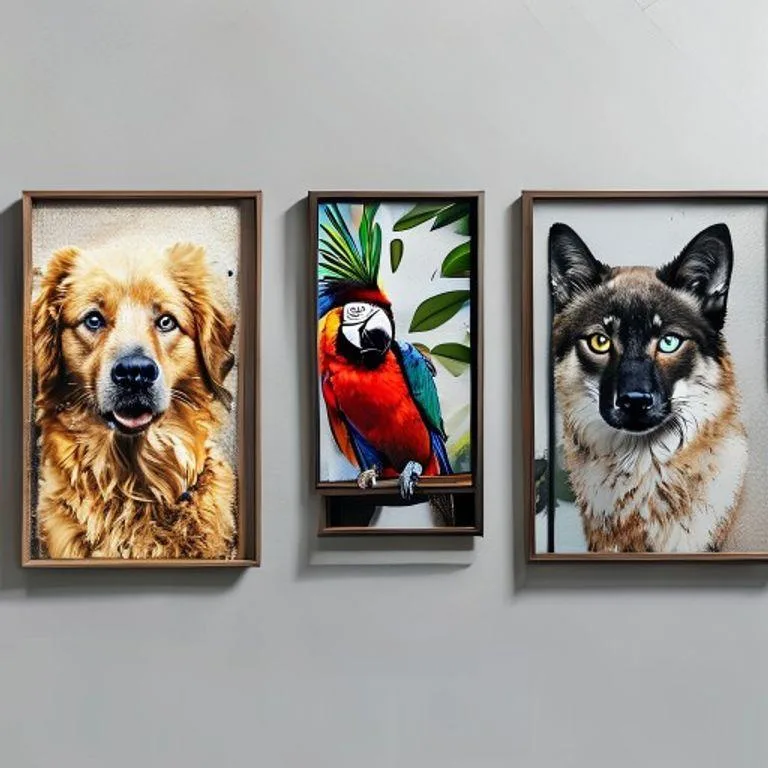
Think of art and photography like a great meal. You could have the most delicious food, but if it’s served on a flimsy paper plate, the experience just isn’t the same. The final presentation is that important. The material you choose for a print isn’t just a technical step; it’s a creative choice that shapes how your work feels. It turns a picture on a screen into a real object you can touch and hang on your wall. For people who love their pets and want to decorate their homes with pictures of them, this choice is very personal. The right material can make a dog’s eyes seem to sparkle, a cat’s fur look soft enough to pet, and the colors of a fish appear to glow.
This guide will walk you through the world of high-quality print materials. We’ll focus on the four main types: canvas, metal, acrylic, and fine art paper. Each one offers different looks and benefits. We’ll look at what makes each one special, what they’re best for, and how they can make different kinds of artwork look even better. Whether you’re a photographer, an art lover, or just someone who wants to fill your home with beautiful pictures of your pets, understanding these materials is the key to creating a display you’ll love. Let’s explore the different textures, finishes, and possibilities.
The Classic Feel of Canvas Prints
Canvas prints are like a bridge between old-fashioned painting and modern photography. They are made by printing an image onto a special fabric, which is then pulled tight over a wooden frame. This gives the art a textured surface that feels like a real painting. Canvas has been used by artists for hundreds of years. When you choose a canvas print, you’re getting a piece of art with real physical presence.
The main appeal of canvas is its texture. The fabric’s weave softens the light, reducing glare and giving it a smooth, non-shiny finish. This works really well in bright rooms. For animal pictures, this texture can add magic. It makes the fur on a dog or the feathers on a bird look more real and inviting. As experts in preserving art note:
“The high-quality, acid-free canvas and special inks mean these prints can last for many, many years without fading much, especially if you keep them out of direct sunlight.”
This long life is very important for a special piece you want to keep forever.
Canvas prints usually have a protective coating to guard against sunlight, moisture, and scratches. They are often presented as “gallery wraps,” where the image goes around the sides of the frame. This creates a clean, modern look without needing an extra frame. A large canvas print of a playful puppy can be a wonderful centerpiece in a room. The material is also fairly light, making it easy to hang. If you want a classic, warm, and artistic look that feels both timeless and cozy, canvas is a fantastic choice. It turns a photo into a keepsake for your home.
The Modern Shine of Metal Prints
If canvas is the classic choice, metal is the modern superstar. Metal prints are usually made on sheets of aluminum. The inks are baked right into the metal’s surface, becoming a part of it. This creates an image with amazing color, sharpness, and a bright, glowing quality. The surface is smooth, tough, and very unique.
The best thing about metal prints is their incredible color. The white base of the metal reflects light, making colors look super bright and intense. Blacks look very deep, and whites look brilliantly clean. This makes metal perfect for pictures with strong colors, high contrast, or lots of detail. Think of the detailed patterns on a butterfly, the shiny scales of a fish, or the bright eyes of a husky—all look incredibly clear and vivid. The surface is also waterproof, scratch-resistant, and easy to clean, making it great for kitchens or bathrooms.
Metal prints come in different finishes that change their look. A glossy finish gives you the most color and a shiny, mirror-like look for a bold statement. A matte finish is softer with less glare, good for bigger pieces in bright rooms. Some also have a brushed metal finish, which adds a subtle texture. These prints are usually hung so they float slightly off the wall, creating a cool, modern, frameless look. For a sleek, tough, and eye-catching way to show off modern pet photos, metal is a top choice. It adds a cool, sophisticated style to animal-themed decor.
The Glowing Depth of Acrylic Prints
Acrylic prints are the height of modern luxury. They are made by printing an image on high-quality paper or metal, which is then permanently attached to the back of a thick, clear acrylic sheet. The acrylic acts as both a protector and a magnifying glass, creating a truly stunning effect. The result is artwork with amazing depth, clarity, and a glass-like shine, but without the weight or danger of breaking like real glass.
The magic of acrylic is in how it plays with light. The thick, clear sheet bends the light, giving the image a 3D, “floating” look. Colors become super rich and deep, like you’re looking into the scene. For animal art, this can be amazing. A dog’s wet nose, a cat’s eye, or a turtle’s shell gains a hyper-realistic, almost touchable quality. The surface is also very durable, resists fading from sunlight, and is easy to clean.
Acrylic prints look very modern and elegant. They are often hung with hidden brackets that make the art look like it’s hovering off the wall. This clean, simple style fits perfectly in modern or upscale homes. While it is one of the more expensive options, the visual impact is worth it for a special statement piece. A large acrylic print of a wolf, a horse, or colorful fish becomes more than decor; it’s a captivating centerpiece that starts conversations. It’s the best choice for showing off your favorite animal pictures with brilliant, museum-quality style.
The Timeless Quality of Fine Art Paper
In a world of shiny and textured options, fine art paper is still the top choice for pure, subtle, and long-lasting quality. This is a range of high-quality, acid-free papers made from materials like cotton. Unlike regular photo paper, fine art papers have their own special texture, weight, and finish chosen to match the artwork. They are the favorite for photographers and artists who want a traditional, gallery-style look that lasts forever.
The beauty of fine art paper is in its subtlety and feel. The papers come with different surfaces: smooth, textured, or velvety. Each one interacts with light differently and sets a mood. A textured paper can add a soft, natural feel to a picture of a rabbit, while a smooth, bright white paper can make a parrot’s colors look super crisp. As experts in preserving art explain:
“When used with the best pigment inks, fine art paper prints can last for over 100 years on display without noticeable fading, making them true family treasures.”
Fine art paper prints are almost always meant to be framed behind glass or acrylic. This traditional style is very flexible—you can pick a frame that matches your room’s decor. This makes them perfect for creating a gallery wall where you can mix framed prints of all your different pets. The paper itself feels substantial and high-quality. For black-and-white animal photos, detailed wildlife sketches, or any art where subtle details are key, fine art paper is the best choice. It offers a timeless, elegant, and respectful way to present art.
Pairing the Right Material with Your Art
Choosing the material is about creating a perfect match between the picture and how it’s presented. The material should make the artwork’s best qualities even better.
- For bold, colorful, high-contrast images—like a bright parrot or a neon fish—metal or glossy acrylic will make the biggest impact, making the colors burst with energy.
- For softer, more moody, or textured pictures—like a misty scene with deer or a close-up of a fluffy kitten—canvas or matte fine art paper is often better. These materials soften the light and add warmth and a tactile feel.
- Black and white photography, which focuses on shades of gray and detail, works perfectly with fine art paper, especially with a matte finish.
Also, think about your room. For a very modern space, the sleekness of metal or acrylic fits well. For a cozy, traditional home, the warmth of canvas or a framed paper print might be better. A piece for a sunny spot might need the non-reflective properties of canvas, while a piece for a darker room could come alive with the light-catching brilliance of acrylic.
Taking Care of Your Prints
When you invest in a high-quality print, you’ll want to take care of it so it stays beautiful. While these materials are tough, proper care will help them last.
The biggest enemy of all artwork is direct sunlight. Even with protective coatings, long exposure to UV rays will cause fading over time. Hang your art where it gets indirect light.
Try to avoid hanging art in places with big swings in temperature and humidity, like right above a heater or in a very steamy bathroom. For canvas and paper prints, a stable, room-temperature environment is best.
Dust your prints gently. For canvas, acrylic, and metal, use a soft, dry microfiber cloth. For acrylic, you can use a little glass cleaner on the cloth (never spray it directly on). For framed paper prints, dust the frame and glass carefully. Don’t use harsh chemicals or abrasive cloths. When moving prints, handle them by the edges and keep them protected. With these simple steps, your animal art can stay a vibrant part of your home for a very long time.
The journey from a digital file to wall art is finished by your choice of material. Canvas brings classic texture and warmth. Metal offers modern color and toughness. Acrylic provides glowing depth and luxury. Fine art paper delivers timeless quality that lasts. Each material tells a different story in your space. For pet lovers, this choice is personal. It’s about finding the perfect way to honor a beloved friend or a wild animal.