
Your cart is currently empty!
Essential Wall Art Care Guide for Lasting Beauty
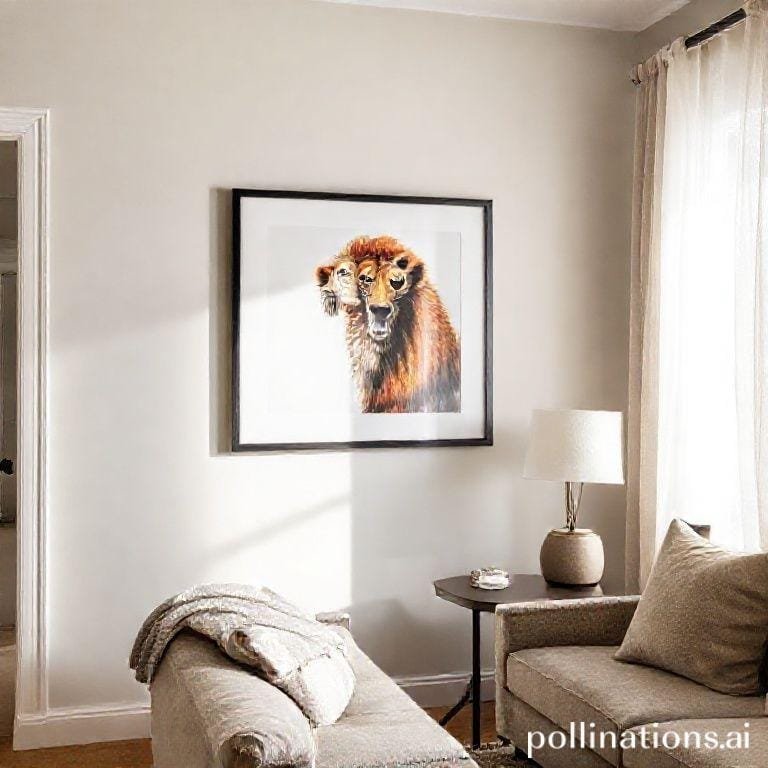
Think of your wall art not just as decoration, but as an investment in your home’s feeling and a mirror of your personal taste. Whether you’ve put together a wall of favorite memories or bought one amazing centerpiece piece, taking good care of it is key to keeping it beautiful and bright for the long haul. From the thin paper of fine art prints to the rough surface of canvas paintings, each type needs different attention. If you ignore this, colors can fade, materials can bend, and damage can happen, which weakens the artwork’s effect and worth.
This complete guide will show you the basic care tips to keep your art prints looking as fresh as when you first put them up. We’ll go over everything from how to handle them at the start and where to hang them, to regular cleaning and plans for keeping them safe over time. By learning these simple but important steps, you can guard your collection from everyday dangers like sun, moisture, and dust. This makes sure your home stays full of inspiring and lovely sights. For those wanting to begin or update their collection with pieces made for both looks and strength, checking out a selected group like the animal-themed wall art and home decor at Paw Creativ can be a great first move toward a lasting artistic expression.
The Base: Safe Handling and Smart Hanging
Looking after your wall art starts as soon as you get it. Always hold prints and canvases by their edges or sides. Avoid touching the front picture area. The natural oils on your skin can get on the art, which might create stains or break down the inks slowly over time. For paper prints that aren’t in frames yet, think about wearing soft cotton gloves when you first look at them and when you’re putting them in frames.
Picking the right spot is your first shield of protection. Do not hang art where direct sunlight hits it. The sun’s ultraviolet (UV) rays are the main reason colors fade. Even light that isn’t direct, over many years, can make colors much less vibrant. As the Museum of Modern Art conservation team says:
“Light exposure adds up over time and can’t be undone; managing it is the most important thing for saving works on paper.”
In the same way, stay away from places right above heaters, fireplaces, or air vents. Too much heat and fast changes in temperature can make paper get brittle and make canvases bend or crack. Rooms like bathrooms and kitchens, which often have lots of moisture in the air, are also tricky places for art unless it is very well sealed behind glass.
Framing: Your Artwork’s Protective Suit of Armor
A good frame does more than just look nice; it gives important protection. For art on paper, always use mats and backing boards that are acid-free. Regular cardboard has acids that can move into the paper over many years, causing yellowing and damage called “mat burn.” Glass or acrylic that protects against UV rays is a smart buy. This special covering blocks over 99% of the harmful UV rays without making the artwork look fuzzy, which really slows down the fading.
Make sure the frame is tight and the artwork is held in place correctly, not squeezed or bent. For canvases, a frame that doesn’t touch the canvas edges or a wrapped canvas style protects the sides and keeps the canvas tight, so it doesn’t droop. The back of a frame should be closed up to stop dust and bugs from getting in. This makes a small, safe space that helps protect the art from quick changes in room moisture and dirty air.
The Skill of Soft Cleaning and Fighting Dust
Dust isn’t just ugly to look at; its tiny, rough bits can scratch surfaces very lightly, and its acidic makeup can help cause damage over a long period. Regular, gentle dusting is important. For framed pieces with glass, use a clean, soft microfiber cloth. For tough marks on the glass itself, you can use a cloth that is a little damp, but never spray cleaner right onto the frame or glass, because it might leak inside.
For canvases without frames or framed pieces without glass, you need to be very careful. Use a soft, dry brush like a clean makeup brush or a special duster made for museums. Gently brush the surface in one direction to lift the dust off. Never use household cleaners, water, or chemical sprays on the painted or printed picture area. For canvases with texture, you can sometimes use a small vacuum on the very lowest power setting with a soft brush tool. Hold it just above the surface to pull dust away without actually touching it.
Managing the Surroundings: Moisture and Heat
Art does best in a steady environment, much like what feels comfortable to us. Try to keep the moisture level in the air between 40% and 50%. High moisture helps mold grow and can make paper and canvas swell, leading to wavy bumps or glue coming undone. Low moisture can make materials brittle and easy to crack. In places that are very damp or very dry, think about using a dehumidifier or humidifier to keep things balanced in the room where your art is.
Keep a steady, medium temperature, ideally between 65°F and 75°F (18°C – 24°C). Avoid putting art on outside walls that feel bigger changes in temperature, especially in older houses. Adding insulation to the back of a framed piece can give an extra layer of protection. Sudden changes are worse than a steady high or low, so try not to move art between places that feel very different.
Stopping Bumps and Keeping Bugs Away
Make sure your artwork is hung safely on the wall using the right hooks or anchors for its weight and your wall type. Hooks and anchors made for drywall, plaster, or brick are necessary to stop accidental falls. Check the tightness of hanging wires and the strength of the D-rings on the back of the frame once a year.
Pay attention to what happens in your home. Avoid hanging important pieces in busy walkways where people might knock into them. Keep them away from places where food or drinks are often served to prevent accidental spills. Bugs like silverfish and some beetles like the glue and paper in art. Good cleaning, controlling moisture, and checking the backs of frames regularly can help stop bug problems before they cause harm.
Care for the Future: Switching, Storing, and Expert Advice
If you have a group of works on paper, think about making a schedule to switch them. Taking down pieces that are sensitive to light every so often lets them “rest” in dark storage, which really helps them stay colorful longer. When you store art, for a short time or a long time, follow rules for keeping things safe. Store pieces lying flat in boxes or folders that are acid-free, with sheets of acid-free tissue paper between them. Never roll up prints unless you absolutely have to. If you must roll one, do it with the picture facing outward to put less pressure on the inks.
Keep storage areas dark, cool, and dry—a closet inside your house is usually better than an attic or basement. For pieces that are valuable, very old, or have a lot of damage, always talk to a professional art conservator. They have the special knowledge and materials to do repairs, cleanings, and stabilizations that you should never try at home. As a report from the Getty Conservation Institute suggests:
“Preventive conservation—controlling the environment and how you handle things—is always better and cheaper than trying to fix damage after it happens.”
Picking Strong Art from the Beginning
One of the best ways to make sure art lasts is to begin with pieces that are well-made. Look for prints that use high-quality, acid-free papers and inks made from pigments that resist fading. These are much more stable than inks made from dyes. High-quality canvases with the right base coat and sealed top layer stand up better to things in the environment. Spending on quality from trusted sources means your art starts life with a stronger guard against time.
For animal lovers looking for tough and beautiful pieces, the collections at Paw Creativ are made with both good looks and long life in mind. With a variety of animal-themed wall art and home decor, their focus on quality materials means each piece is not only a captivating addition to your space but also a strong one. It’s ready to be enjoyed for many years with the proper care described in this guide. Starting with sturdy art makes maintenance easier and guarantees your decor stays a lasting source of happiness.
Caring for your wall art is an act of saving that respects the beauty it adds to your everyday life. By learning the basics of smart placement, gentle cleaning, controlling your space, and safe handling, you change from someone who just looks at art into the active keeper of your own personal gallery. These practices aren’t hard jobs but simple habits that fit into your life. They protect your investment and make sure the stories and feelings in your art stay clear and strong. Remember, the aim is for it to last—letting that first happy spark you felt when you hung a piece light up again every time you see it, for years to come. Whether your collection is made of loved family photos, collected prints, or standout pieces from selected groups like those at Paw Creativ, using this knowledge lets you keep a home that is both gorgeous to look at and carefully preserved. Your walls tell your story; give them the care they need to keep that story shining bright.