
Your cart is currently empty!
From Cave Walls to Canvas The Journey of Wall Art
Since people first became aware of themselves, humans have felt a strong need to decorate their surroundings. They wanted to change empty spaces into stories about life. This story doesn’t start in art museums or houses, but deep in old caves. There, firelight first showed drawings of animals like bison. Wall art is much more than just decoration. It is like an ancient language, a record of culture, and a mirror that shows how human ideas, tools, and taste for beauty have changed. From those old cave paintings to the smooth digital pictures in homes today, the story of wall art is our story. It shows what we believe, our successes, and our never-ending search for beauty.
Knowing this history is very important. It ties us to our shared past and helps us understand why we like certain pictures, feels, and ideas in our own homes. For someone decorating their house today, this history is like a rich, colorful blanket of ideas. It gives meaning to current styles and helps people make choices about decor that feel special. As we follow this path from simple paints to computer pixels, we find the main feeling is still the same: to make a place feel like home, to show who we are, and to create a sense of awe. This journey will take us through the big chapters of wall art history. It will end with how today’s new ideas, like those you can find at Paw Creativ, let us bring personalized, high-quality art of animals into our lives more easily and stylishly than ever before.
The First Canvas: Ancient Art
The story of wall art begins in dark, mysterious places. In caves in France and Spain, early humans used natural colored dirt, charcoal, and clay to make amazingly real pictures of the animals they needed to hunt. These were not just simple drawings. Experts think they had deep spiritual and ceremonial meaning. They might have been a kind of magic to help make hunts successful. As archaeologist Jean Clottes said:
“The cave was a holy place… the paintings were not made to be looked at like we look at art in a museum. They were part of a special ceremonial space.”
This art was all around you and had a purpose. It was part of staying alive.
This idea of huge, built-in art kept going in old civilizations. The Egyptians filled tomb and temple walls with detailed picture-writing and perfect scenes to help their kings reach the afterlife. The Romans decorated their large homes with beautiful painted scenes of gardens, myths, and everyday life. They wanted to make rooms look bigger and show off their riches. In these times, wall art was mostly for the public, for religion, or for the rich and powerful. It was a sign of strength and faith, made by expert workers for specific, often sacred, buildings. The materials were made to last—mineral colors in wet plaster, carvings in stone—and making the art was a group effort that needed special skills.
A Huge Change: The Artist Becomes Important
A massive change happened during the Renaissance. This was fueled by new money, new ways of thinking about human potential, and new art methods. The wall was still the main place for art, but the artist’s job changed completely. People like Michelangelo and Raphael were no longer seen just as skilled workers. They were seen as brilliant thinkers and creators. Their big wall paintings, like in the Sistine Chapel, were amazing displays of skill, depth, and personal vision. They were paid for by popes and princes to show both religious importance and worldly power.
This time also saw oil painting on wood and canvas get better. These could be moved, but they were often still meant for a certain spot on a palace or church wall. The idea of the artist as a special, one-of-a-kind creator took root. This changed how people valued and saw art. Art slowly started to move from being just part of a building to being something you could move around and think about. The subjects grew from only religious and mythical stories to include portraits, stories with hidden meanings, and scenes from regular life. This made the emotional and story range of wall art much wider.
Art for Everyone: Prints and the Living Room
The real spread of wall art to everyone started when printmaking became common. The invention of the printing press was just the beginning. Methods like woodcuts, engravings, and later, lithography, allowed images to be copied many, many times. For the first time, regular families could afford to own and hang up art. Popular pictures showed landscapes, scenes teaching a lesson, portraits of famous people, and later, ads.
This time created our modern idea of home decoration. A Victorian living room, for example, was often packed full of framed prints, paintings, and fancy plates—a style driven by a “fear of empty space.” Art became a main way to build a personal and social identity inside your own home. It was no longer just about big stories. It was about personal style, feelings, and making a nice-looking, cozy place. The wall became your own personal gallery, showing your values and dreams. This trend directly leads to how we decorate our homes today.
Breaking the Rules: Art as Its Own Thing
The 20th century broke all the old rules. Modern art movements like Cubism and Abstract Expressionism purposely turned away from painting things to look real. For wall art, this meant a huge change in shape, color, and idea. A painting was no longer a window looking out at a scene. It was its own object, an experiment with form, color, and feeling. Think of the bold, straight lines of a Piet Mondrian painting or the wild, splattered energy of a Jackson Pollock.
This thinking spread into home decor through styles like Mid-Century Modern. This style loved clean lines, abstract shapes, and strong graphic prints. The poster art of the 1960s and 70s, from trippy music posters to simple travel ads, turned walls into announcements of personal and rebellious identity. Art became easier to get and mixed with design, blurring the line between fancy museum art and popular decoration. The wall was now a place for personal expression in its most abstract and experimental forms.
The Digital Age: Endless Options and Making It Yours
The computer and internet age has completely changed wall art in the 21st century. This is the biggest change since the printing press. High-quality digital printing on materials like canvas, metal, and plastic allows any image to be copied perfectly. The internet is a worldwide store, giving buyers access to millions of artworks from artists everywhere. This has caused a huge growth in very specific interests and styles.
Most importantly, technology lets you personalize like never before. You are not stuck with what a local store has. You can turn a favorite photo, a digital drawing, or even a picture made by a computer program into a beautiful, museum-quality piece. This lets people make spaces that are deeply personal and unique. Companies like Paw Creativ lead this change. They use these technologies to offer custom, super-clear prints that celebrate the connection between people and animals. This lets pet lovers feature their own pets or pick from special artistic pictures of wildlife.
Today’s Wall: Mixing Methods and Messages
Today’s wall art scene is a lively mix of everything from the past. We see a return to handmade skill, with new love for things like woven wall hangings, knotted rope art, and wooden sculptures. At the same time, digital and photo art achieves new levels of realism and creativity. The choices of themes are huge, from simple line drawings to busy flower prints. There is a strong trend toward art that shows personal beliefs, like caring for the planet, health, and feeling close to nature.
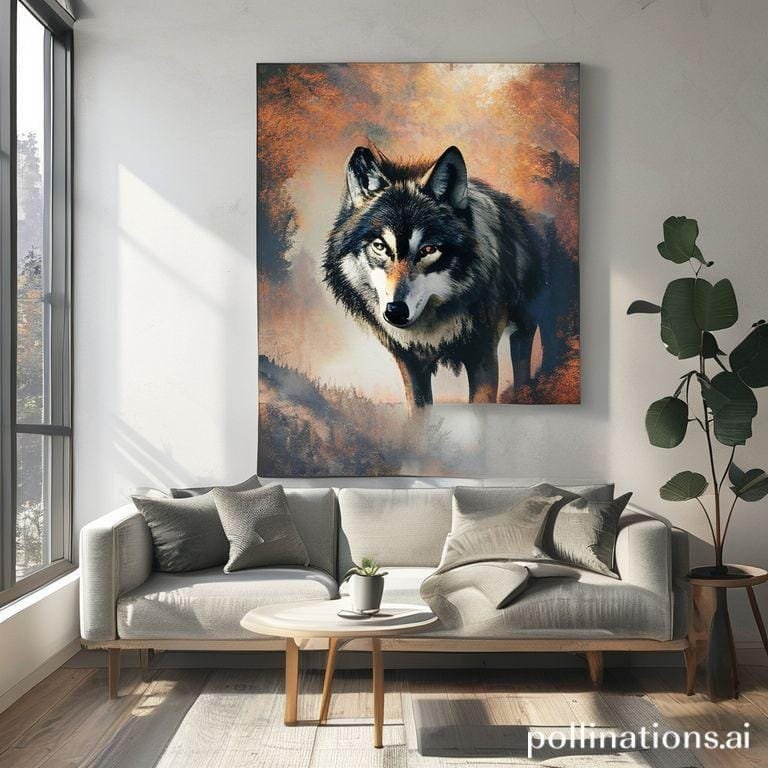
Art featuring animals has become very popular again. It connects to a deep, ancient human love for the animal world. It can mean friendship, wild freedom, and natural wisdom. This is where a specialized focus is great. Paw Creativ is excellent in this area. They offer more than just common pictures. They provide carefully made art that captures the spirit, beauty, and personality of animals. Whether it’s a powerful wolf in a foggy forest, a fun shadow of cats, or a custom portrait of a loved dog, this art brings warmth, story, and heart to a room. It continues the ancient tradition of respecting the creatures we live with.
Setting Up Your Space: Ideas for Modern Wall Art
With endless choices, you need to think carefully about what you pick. Modern wall decor is about creating balance and making a statement. Important ideas include thinking about size—one big, bold piece over a couch or a group of smaller, matching works. Having a matching color scheme or theme helps a room feel pulled together. Purposefully choosing something different can create an exciting center of attention. Mixing textures, like a shiny metal print next to a bumpy woven piece, adds richness and interest.
Quality is key. The benefit of modern makers is they can offer top-quality materials and inks that don’t fade quickly, all for reasonable prices. This means your art will last. When choosing art, look for pieces that make you feel something or tell a story you want around you. The art on your walls is a daily conversation with your space. It should motivate you, comfort you, and show who you are. Looking at collections from dedicated art studios helps you find pieces made with real artistic care and top-notch production. This turns your home into a true personal retreat.
The journey of wall art is a wonderful circle, connecting our oldest past to our most personal present. We have gone from group ceremonies in caves to one person’s power to choose a computer image and turn it into the main decoration in their home. The tools have changed from smashed berries to glowing screens, but the central human wish stays the same: to mark our spaces with meaning, beauty, and identity. In our time, we have the special advantage of using this whole amazing history to make spaces that are truly ours.
This history gives us the power to make thoughtful choices. It asks us to look past short-lived fads and think about what stories we want our walls to tell. For people who love the beauty, strength, and friendship of animals, this history finds a lovely, modern form. Services like Paw Creativ show this continuing change. They mix artistic love with new technology to deliver wall art that honors timeless subjects in a modern way. They invite you to join this very old tradition, to choose art that speaks to you, and to change your blank walls into a canvas that shows your own path and the animals that inspire you on the way.