
Your cart is currently empty!
How Wall Art Transforms Your Home’s Soul
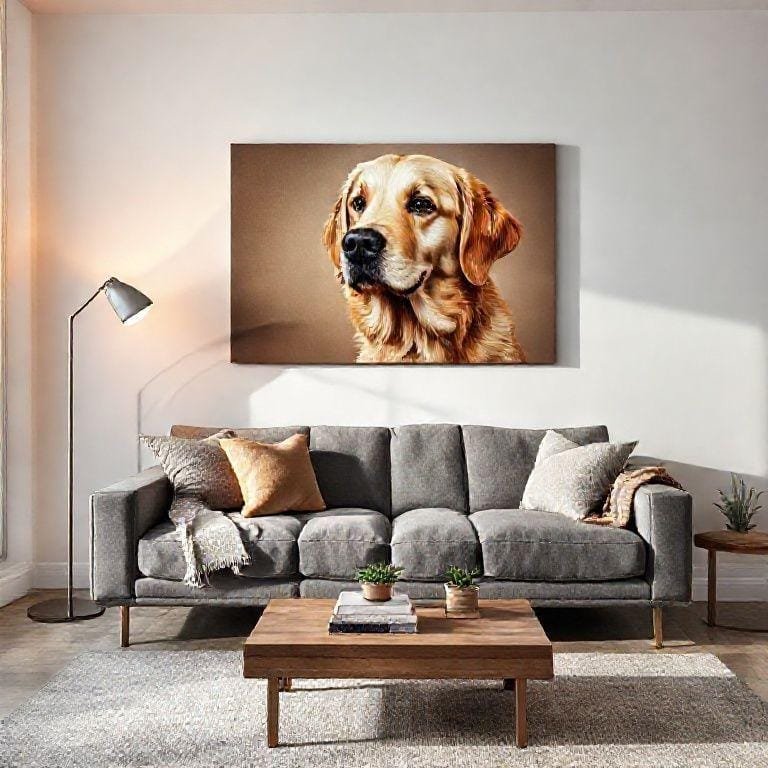
Think about walking into a room that immediately feels like it belongs to you. The colors calm you down or give you energy. The way the room is set up makes sense to you. Every time you look around, you see something that makes you happy or makes you wonder. This is what happens with careful interior design. Often, the most important part is one thing: wall art. Wall art is much more than just decoration. It is the heart and soul of a room. It is the final touch that changes a house into a home. It moves the space from just being useful to having feeling. It shares your story, creates your mood, and finishes the look of your room. Here, we will look at the many jobs of wall art. We will see how it works to create beauty and balance. We will also see how it changes how we see a space, gives areas purpose, and shows who you are. The right piece can be the most important part of your design, something that starts conversations, and something that inspires you every day.
The Visual Magician: Creating Beauty and Center Points
First and foremost, wall art is powerful for creating beauty. It does this by using smart design ideas. A good piece acts like a visual anchor. It creates a center point that catches your eye and gives a room structure. In a simple living room with few items, one large abstract painting gives you something interesting to look at. This stops the room from feeling empty. On the other hand, in a busy office filled with different things, a wall with many smaller pieces can create lively energy. This feels personal and interesting, like you collected the pieces over time.
Art is also a master with color. It can bring in one bold color that connects different items in a room. Or, it can use shades of one color with different textures to add depth. As famous interior designer Kelly Wearstler once said:
“Art is the jewelry of the home. It’s that final layer that gives a space its personality and polish.”
This polish happens because art creates balance. A large piece can visually “weigh down” a wall across from a heavy piece of furniture. A tall piece of art can make high ceilings seem even higher. The feel of a canvas, the shine of a framed photo, or the rough touch of a woven tapestry adds a physical dimension. Paint alone cannot do this. This makes the room richer for your senses.
The Space Organizer: Defining Areas and Changing How We See
Beyond beauty, wall art has important practical jobs. One of its strongest abilities is to define different areas in one open room. A striking piece of art above a couch clearly marks the living area. A different style over a dining table sets that space apart. It does all this without needing actual walls. This visual signal helps organize how a room flows and guides how people move through it.
Art is also great at visual tricks. Placed carefully, it can change how we see a room’s size and shape. A wide, horizontal piece can make a narrow hallway feel broader. A tall, vertical artwork can pull your gaze up, making normal ceilings feel more impressive. In a small room, a piece with a deep view (like a landscape) can create a feeling of more space. This practical magic turns design problems into chances for creative expression.
The Mood Setter: Creating Atmosphere and Bringing Out Feelings
Maybe the deepest job of wall art is how it affects your emotions. The art you choose directly changes the feeling of your home. A bright, energetic abstract piece in a home office can spark creativity and help you focus. A calm, nature photo in a bedroom encourages relaxation and sleep. The colors, subjects, and styles you pick act like silent messages about the mood you want for the room.
This emotional link is very personal. Art that means something to you changes a room from a display into a safe place. It might remind you of a favorite location, represent a special memory, or simply stir a feeling inside you. It gives you daily inspiration, comfort, and a sense of belonging. This is why common, mass-produced decor often doesn’t work; it misses this personal emotional mark that makes a space truly yours.
The Storyteller: Showing Who You Are and Sharing Your Journey
Your walls are like a page for your life story. The art you hang is a clear reflection of your personality, interests, and experiences. A group of travel photos talks about a love for adventure. Old plant prints might show a gardener’s heart. For animal lovers, art with favorite creatures brings warmth, personality, and a fun touch that is full of heart. This is where a place like Paw Creativ fits well. It offers a selected group of animal-themed wall art. This lets pet owners and nature fans fill their spaces with personal passion.
Choosing art is an act of storytelling. A gallery wall, for example, isn’t just a bunch of pictures; it’s a visual story. How you arrange it, the mix of types (photos, drawings, words), and the subjects all work together to tell a tale about who lives there and what they care about. This personal expression is the final practical purpose of art at home: to create a place that is real and comfortable for you.
The Room’s Teammate: Working With Design and Structure
Great wall art doesn’t live alone; it has a conversation with the room’s structure and permanent features. It can be used to spotlight beautiful architectural parts. A piece placed to draw attention to a high ceiling or an interesting corner works well. On the other hand, it can be used to hide or take attention away from less attractive features, like a strangely placed column or electrical box.
The style of the art should talk with the room’s design language. A smooth, modern metal wall sculpture goes well with clean lines and simple furniture. A detailed, gold-frame classical painting might be the perfect contrast in a room with modern furniture. This creates a planned and stylish tension. The frame itself is a key part of this teamwork. It acts as a link between the artwork and the room’s moldings, surfaces, and hardware.
The Size and Location Expert: Getting Proportions and Movement Right
The effect of art is controlled as much by its size and where you put it as by the picture itself. A common design error is choosing art that is too small for the wall. This can make the piece look unimportant and the wall seem bare. A good general rule is that art above furniture (like a sofa) should be about two-thirds as wide as that furniture. This creates a united, grounded look.
How high you place it is just as important. The middle of the artwork should usually be at eye level. This is normally about 57 to 60 inches from the floor. This creates a natural sightline and fits the art into the living space instead of having it seem to float. Thinking about how people move through a room is also key. Art should be placed where it can be enjoyed—at the end of a hallway view, across from a favorite chair, or in the line of sight from the main door to create a friendly first impression.
The Investment in Happiness: More Than Decoration for Daily Life
In the end, investing in wall art you love is an investment in your daily happiness and the personality of your home. It is the element that finishes a room. It gives the “complete” feeling that makes a design plan seem finished and thoughtful. Unlike furniture or paint color trends, which might change, meaningful art stays appealing over time. It grows with you, and its meaning gets richer over the years.
In a world where our homes have become many things—office, gym, school, and safe place—the emotional and visual boost from personal, beautiful art is more valuable than ever. It is a constant, quiet source of joy and proof of the life lived inside those walls. It changes a space of function into a place of inspiration.
From setting the emotional feeling to defining physical areas, from sharing your unique story to creating visual balance, wall art is the essential final touch in interior design. It is the bridge between the building itself and the person inside. When you choose art that speaks to you, you are not just decorating a wall. You are building an atmosphere, creating a story, and making a home that truly shows and cares for the people who live there. See how the right piece can change your space.