
Your cart is currently empty!
Master the Art of Choosing Perfect Wall Decor
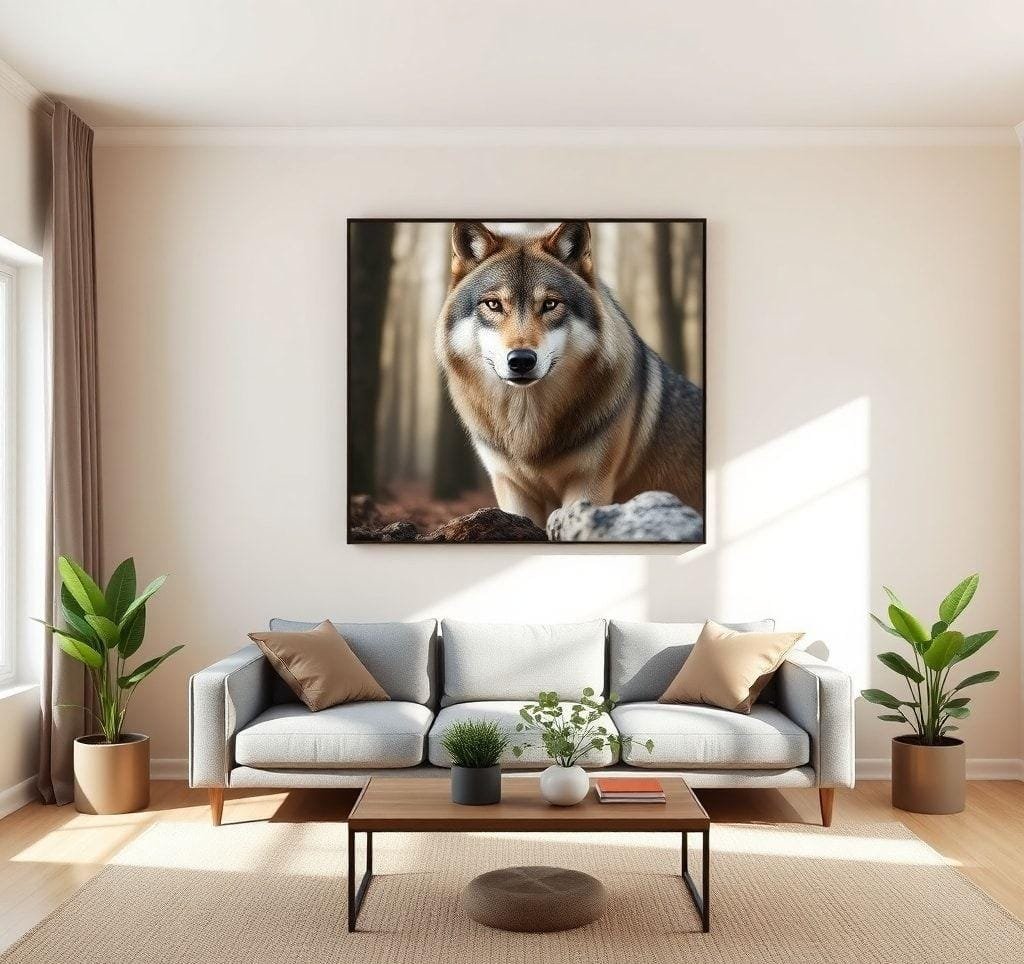
Have you ever stood in a room, looking at a blank wall, feeling both excited and totally stuck? You know a piece of art could change the room from plain to amazing, but the huge number of choices—like size, color, and style—can feel like too much. Picking the right wall art is not just about choosing a nice picture. Think of it like writing a chapter of a book about yourself. It’s a way to add your personality, set a feeling, and create balance in your home. It’s the final piece that pulls a room together, showing who you are and how you want to feel in your own private space.
This guide is your map through that confusion. We will move past simple tips and give you clear, step-by-step plans for picking art that fits your walls and your life. We will cover the key ideas that designers use, from understanding how big art should be to using color and picking themes that go together. By the end, you will feel sure about choices that make your space better, turning every wall into a place for your own special story. And for people who feel their story includes a furry, feathery, or scaly friend, we will show you a place where art and love for animals come together perfectly.
The Golden Rule: Size and Space
The biggest mistake people make is choosing art that is the wrong size for the wall and the furniture below it. A small picture on a huge wall looks lost and unimportant. A piece that is too big can make a room feel crowded and heavy. The goal is to find a balance, like finding the right puzzle piece for the space.
First, look at the wall itself. For a large, empty wall—like behind a sofa or a bed—your art should be a focal point. A good rule is that the art should cover about two-thirds to three-quarters of the width of the furniture it hangs above. For example, if your sofa is 84 inches wide, look for art (or a group of frames) that is about 56 to 63 inches wide. This makes everything look planned and connected.
Height is just as important. In living rooms and bedrooms, art should usually be hung so the middle of it is at eye level, which is about 57 to 60 inches from the floor. But, when hanging art above furniture, leave a space of 6 to 8 inches between the bottom of the frame and the top of the sofa or headboard. This link is key; the art and furniture should feel like one unit, not separate things.
For smaller walls, like in a hallway or bathroom, use smaller art. A group of small, related pictures can work better than one medium piece that still looks too small. Remember the power of a gallery wall: a collection of different-sized frames can fill a big space in a lively way. You can mix art, photos, and even small objects. The trick is to lay out the arrangement on the floor first to make sure the look is balanced.
“Scale in interior design is the relative size of objects in relation to one another and the space they occupy. Properly scaled art doesn’t just fill a wall; it completes the architecture of the room.”
Moving from the practical to the personal, after you understand size, the next step is connecting through color.
Creating a Color Story
Color is the heart of your artwork and its strongest tool for creating a mood. You can choose colors that blend in or colors that stand out. A blending color scheme takes colors directly from your room already—like the colors in your rug, pillows, or a main piece of furniture. This creates a calm, unified look that feels easy and stylish. For example, if your room has navy, cream, and gold colors, art with those same colors will feel like it naturally belongs there.
On the other hand, using art to add a different accent color can be exciting. In a neutral room with beige, gray, and white, a bright piece of art with a pop of green or orange becomes the main attraction, adding energy and personality. This is a safe way to try bold colors you might not want to paint on a whole wall.
Think about the feeling colors give. Blues and greens are calming and peaceful, great for bedrooms and offices. Yellows and oranges are energizing and friendly, perfect for kitchens and dining areas. Reds are strong and lively, best used in small amounts in social spaces. The colors in your art should match what the room is mainly used for.
Don’t forget about the frame! A frame is not just an edge; it is part of the art’s color effect. A simple black or metal frame looks modern and clean. A warm wood frame adds natural texture. A fancy gold frame brings classic style. Make sure the frame color goes well with both the art and your room’s fixtures for a finished look.
Choosing Your Theme and Style
Art should show who you are, but it should also talk to the room’s style and the feeling you want. A smooth, simple abstract piece might not fit in a cozy, rustic cabin, just like an old plant print might feel wrong in a very modern apartment. Picking a theme helps you focus your search and makes your choices feel purposeful.
Start by naming your room’s main style: Is it Mid-Century Modern, Coastal, Industrial, Scandinavian, or Bohemian? Each style has art that pairs well with it. Mid-Century Modern goes well with abstract prints or old travel posters. Coastal spaces look great with ocean scenes, shell pictures, or light abstracts in blues and whites. Industrial lofts can handle bold, graphic prints or photos with strong shapes.
Beyond a broad style, think about story themes. A nature-themed gallery wall with landscapes, leaf prints, and animal pictures can bring the outside in, creating a peaceful spot. A travel-themed collection of maps, old postcards, and photos tells the story of your trips. For many people, the most personal and happy theme is a love for animals. Art showing pets, wild animals, or fun animal drawings adds warmth, character, and a unique touch that normal decor cannot match.
This is where what you love can really guide your decor. If your home is full of the sound of pet paws or you feel awe when you see wildlife, why not let that love decorate your walls? It creates an instant emotional link and is a great way to start conversations. For people wanting to celebrate this theme with quality and style, going to experts makes all the difference.
Room-by-Room Plan: The Living Room
The living room is the center of the home, a place for relaxing, entertaining, and family time. Here, art should be interesting and show your family’s shared personality. This is often the spot for your biggest and most eye-catching piece. Think about the room’s layout: above the fireplace, over the main sofa, or on a large, main wall are the best places.
Since this room has many uses, choose art with a flexible mood. Lively abstracts, beautiful landscapes, or classy photos work well. If you have a TV wall, balance the black screen with a colorful piece of art on another wall to keep the room interesting when the TV is off. For homes focused on family, a planned gallery wall mixing professional art with favorite family photos (in matching frames) can be very personal. In a living room, don’t be scared to be bold. This is your space to show others; let the art say something about what you love.
Room-by-Room Plan: The Bedroom
The bedroom is your personal retreat, a place for rest and recharging. The art here should help you feel calm, peaceful, and happy. Avoid anything too busy, aggressive, or emotionally dark. Softer colors, peaceful subjects, and gentle abstracts are best.
The usual spot is above the headboard, where a wide piece or a triptych (three related panels) can anchor the bed. Size is very important—the art should be wide enough to relate to the bed’s width. Another idea is a piece on the wall facing the bed, something nice to look at from your pillow. Personal photos, dreamy landscapes, or abstract art in soothing colors are perfect. This is also a great room for more private, meaningful pieces, like a simple drawing or a picture of a beloved pet that makes you feel comforted.
Room-by-Room Plan: The Kitchen and Dining Area
These are spaces for eating and gathering, so art should be appealing, cheerful, and fairly tough (avoid very delicate art right near heat or steam). In the kitchen, use smaller walls, the space above cabinets, or the end of a narrow kitchen. Themes of food, plants, herbs, or bright abstract fruit prints are fun and fit the theme.
The dining room or area needs art that starts conversations and goes well with sharing a meal. A large piece on the main wall can set the room’s tone. Think about still-life paintings, cultural items, or dramatic landscapes. The size should be big enough to stand out in the space, often matching the dining table below. This is a good area to show a piece that feels a bit more formal or carefully chosen than the living room art, adding to the special feeling of a dinner party.
Framing and Hanging: The Last Touch
Even the most beautiful art can look bad if it is not presented well. The right frame and hanging method are the final, important steps. First, decide between framed and unframed. Canvas prints often have a modern, unframed look with wrapped edges, good for modern spaces. Paper-based prints (like photos, posters, or fine art prints) almost always need framing for protection and a polished look.
When picking a frame, think about the matting (the border between the art and the frame). A white or off-white mat is classic and makes colors stand out. A colored mat can blend the art more with your room’s colors. For a clean look, think about frameless mounting with a float frame or simple clips. Always use the right picture-hanging tools—not just a nail. Use D-rings and wire for heavier pieces, or sawtooth hangers for lighter ones, to make sure your art hangs safely and straight. Spending money on good framing and hanging is an investment in making your art last and look professional.
Choosing the right wall art is a trip of matching practical rules with what you love. We have walked through the basics of size, color, and theme, and used them for each room in your home. Remember, the best rooms are the ones that tell a story. Your walls are empty pages waiting for that tale. Whether your style is simple or full, modern or traditional, the art you pick is your signature on your space.
If your story is connected to a love for animals—from the loyal friend by your side to the wild animals that amaze you—there is a place that gets this passion. At Paw Creativ, we focus on turning that admiration into amazing wall art. Our selected collection is more than just basic pet photos. We offer artistic versions, wildlife portraits, and themed decor that celebrates the animal world with style and quality. Picture a powerful wolf portrait as the main piece in your living room, a fun series of cat drawings adding playfulness to your hallway, or a peaceful bird picture creating calm in your bedroom. We give you the quality, artistry, and theme connection to help you follow the plans in this guide perfectly. Visit pawcreativ.com to see how the perfect piece of wall art can honor your love for animals and lift your home decor to new, expressive levels. Your walls are ready to speak your language.