
Your cart is currently empty!
Master the Art of Eclectic Style Mixing
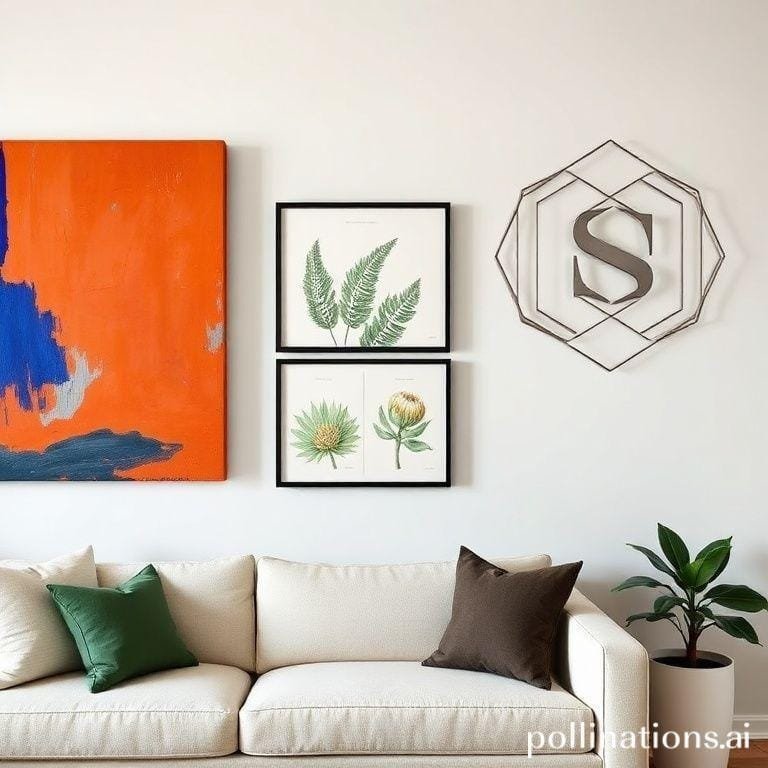
Think of your home’s walls like a playlist for your eyes. Instead of every song being the same genre, you mix powerful rock anthems, classic jazz tunes, and modern pop hits. Together, they create a richer, more interesting experience. Mixing different kinds of wall art works the same way. You can combine bold, emotional abstract pieces, story-filled vintage prints, and clean, modern contemporary art to make a space that’s uniquely you.
For a long time, people thought everything in a room had to match perfectly. But the most interesting rooms today are the ones that mix things up. Putting abstract, vintage, and modern art together isn’t about making a mess. It’s about creating harmony from different pieces. It lets you show all sides of your personality. A mixed gallery wall is like a visual story of your life, where a 1950s poster can sit happily next to a splashy abstract painting, connected by similar colors or feelings.
This guide will show you how to mix styles well. We’ll talk about how to create a solid base, choose pieces that work together, and arrange them for the best look. You’ll learn to see links in color, feel, and subject, turning possible clashes into interesting conversations. As you start, remember that places like Paw Creativ can help. They have a selected group of animal-themed art in many styles. You can find pieces that show your love for animals and work as a great starting point for your own mixed collection. Let’s get started.
Building Your Base: The Glue That Holds It All Together
Before you hang anything, you need a plan. Think of this like the rules of a game that let all the players work together. Your most important tool is a unified color scheme. This doesn’t mean every piece uses the exact same colors. It means there’s a color story that flows through all of them. For example, you might choose earth tones like clay red, soft green, and cream. Your abstract painting could have bold strokes of red, your old botanical print would have green and cream, and a modern graphic could use clean cream lines on a red wall. This shared color story is an invisible thread tying different styles together.
Next, think about theme and feeling. What overall mood do you want for the room? Is it a calm, quiet library or a lively, creative studio? Choosing art that shares a common subject—like nature, travel, or quiet thought—can connect very different styles. An old map, an abstract painting of a landscape, and a modern mountain photo all talk about exploration, so they fit together well. As designer Miles Redd once said,
“The best rooms have something to say about the people who live in them.”
Your mixed art collection should say something clear about you.
Finally, look at size and frames. Using the same kind of frame on all your pieces can really pull things together. Simple black frames or natural wood frames on everything create a neat, grid-like look on the wall. Or, you can use frames to highlight differences: fancy gold frames for vintage art and simple, frameless canvases for modern works, playing with the contrast on purpose. Balance is key. Put a large, powerful abstract painting with a group of smaller vintage prints to create a look that feels planned, not random.
The Emotional Spark: Adding Abstract Art
Abstract art is the feeling or emotion in your collection. It adds energy, movement, and raw mood. When adding abstract pieces, look for works that speak through color and shape, not pictures of real things. The goal is to find an abstract piece that stands out because of how it makes you feel, not what it shows. That feeling can then connect to the colors or textures in your other art.
Start by using your abstract art as a color guide. Pick two or three main colors from the abstract painting. Let’s say you have a bright piece with deep blue, golden yellow, and dark gray. You can then look for an old poster with a similar shade of yellow, or a modern graphic print that uses sharp lines of blue. The abstract piece becomes the color starter for the whole group. This makes sure the abstract work feels like part of the team, not an outsider.
Abstract art also works great with texture. A thick, bumpy abstract painting adds real physical depth to a wall. You can contrast this with the flat, precise lines of a modern screen print or the gentle, worn feel of an old print. This mix of textures—rough vs. smooth, dull vs. shiny—adds a layer of complexity that keeps your eyes interested. Don’t be afraid to let the abstract piece be the star. Its lack of a real-world picture often makes it a perfect anchor, a place for your eyes to rest that lets the more detailed vintage and modern pieces tell their stories around it.
The Touch of History: Blending in Vintage Charm
Vintage art brings stories, history, and warmth to a room. It could be an original 1960s ad, a framed old plant drawing, or a retro travel poster. These pieces often show their age with slight fading or soft paper, which adds character. This softness can nicely balance the sharpness of some modern art or the intensity of bold abstracts.
The trick to mixing vintage is to stop it from feeling like a forgotten antique. Update it by what you put it with. Place a delicate, framed old butterfly specimen next to a big, simple modern photo. The difference in size and style makes the vintage piece feel carefully chosen, not just old. Use vintage art to add pattern and detail. Where abstract art is about feeling and modern art is often about ideas, vintage pieces usually have complex drawings and lettering. This detailed work can fill a visual gap in a gallery wall that might otherwise feel too empty or idea-focused.
Also, vintage art is great for adding a calm or soft base. Many old prints, especially of plants, maps, and diagrams, come in gentle browns, black and white, or faded colors. These can act as visual “rest areas” between more colorful or intense abstract and modern works. They give your eyes a moment of calm. When looking for vintage art, find pieces with colors that go with, not fight, your chosen color scheme. An old chart with hints of rust can perfectly match a clay red tone from your abstract piece, creating a subtle link across time.
The Modern Structure: Using Contemporary Pieces
Contemporary art here means works with a modern, often graphic style: clean lines, geometric shapes, simple designs, photography, or digital art. This style acts like the skeleton or structure in your mix. It provides order, clarity, and a sense of now, grounding the emotional abstract and historical vintage pieces.
Use contemporary pieces to create rhythm and pattern. A set of three identical modern graphic prints in a row can make a strong, modern line on a wall. You can then “break” this pattern by grouping a vintage print and a small abstract piece above or next to the set. The contemporary pieces give you a predictable structure, while the other styles add fun variety. Contemporary art is also great at using empty space and simplicity. A large, simple photo with lots of blank space around the subject can make the busier details of a vintage piece or the wild strokes of an abstract feel more organized and less busy.
When picking contemporary art, think about its conceptual link to your other pieces. If your vintage art is about natural history, a contemporary piece could be a sharp, beautiful photo of a rock formation or a graphic print of a molecule. This starts a conversation about “looking at the natural world” across different time periods and methods. The clean lines and often solid, bright colors of contemporary art make it a perfect partner for pulling specific colors from your more complex abstract or vintage works and showing them in a pure, simple way.
Putting It All Together: Gallery Walls and Other Ideas
Now that you’ve chosen your pieces, the fun part is arranging them. The classic method is the mixed gallery wall. Start by laying all your art on the floor. Try different arrangements, putting heavier, larger pieces toward the middle or bottom so the wall feels stable. Mix directions—tall, wide, square. The goal is to balance the layout, not the styles. Make sure color and visual weight are spread evenly across the wall. A good guide is to leave 2-3 inches of space between frames so it looks unified but not squished.
For a more organized look, try grids and pairs. Hang two contemporary pieces as a matching pair. On a nearby wall, make a small, tight grid of four vintage prints. Let your large abstract canvas stand alone on another wall as a single statement. This method lets each style have its own spotlight while still adding to the room’s overall look. It’s less about forcing a conversation on one wall and more about creating a style discussion throughout the whole space.
Don’t forget about shelves and ledges. Leaning art on shelves or mantels is a great, low-pressure way to mix styles. You can layer a small abstract painting in front of a bigger vintage poster, or put a modern sculptural object next to a stack of old books with nice covers. This creates depth, lets you swap pieces easily, and looks naturally collected. Remember to use different heights and layer pieces to create a sense that you found these treasures over time.
Where to Begin: Selected Collections
Starting your mix-and-match project can feel scary with so many choices. This is where using a curated source can give you great ideas and a solid starting point. For animal lovers and those wanting playful personality, Paw Creativ has a carefully chosen selection of wall art that naturally mixes styles. Imagine starting with a focus piece from their collection: a modern, simple line drawing of a cat, done in one bold color. This piece gives you a clear, modern graphic element.
From there, you could look for a vintage-style fox drawing with more detail and a softer color palette that shares an accent color with your cat print. To add the abstract element, you might pick a textured, abstract canvas with swirling blues and grays that feels like a wild landscape, using the cool tones from the other two pieces. Because all pieces share an animal theme and a thoughtful color connection, the mix of modern, vintage, and abstract feels planned and harmonious. Using a themed collection as your center makes sure your eclectic mix has a heart and a story, so it doesn’t become just a random group of decorations.
When building your collection, first buy what you love. Being real is the best way to unify things. A piece that truly speaks to you will always find a way to talk to the others in your space. Start with one statement piece you adore—maybe that bold abstract or that charming vintage find—and build your color scheme and theme out from there. Let your collection grow naturally, adding pieces over time as you discover them.
Final Thoughts
Mixing abstract, vintage, and contemporary art is a freeing and very personal way to design your space. It goes beyond matching furniture and into real self-expression. By learning the unifying ideas of color, theme, and balance, you can change possible visual fights into beautiful harmony. Your walls become a curated show of your tastes, your past, and your dreams. The abstract piece captures your current emotions, the vintage art shows your respect for past stories, and the contemporary work keeps you rooted in the present. Together, they create a space that is lively, thoughtful, and uniquely yours.
Remember, the most important “rule” is that there are no strict rules, only tips to help your creativity. Trust your own eye, embrace the pieces that make you happy, and don’t be afraid to rearrange until it feels right. Whether you start with a single print from a favorite collection or jump into flea markets and galleries, the journey of building your mixed art collection is just as rewarding as the final result. So go ahead, mix that bold modern graphic with that delicate vintage sketch. Hang that bright abstract next to that peaceful photo. Create a home that is not just decorated, but deeply lived-in and loved.