
Your cart is currently empty!
Master the Art of Framing and Mounting Wall Decor
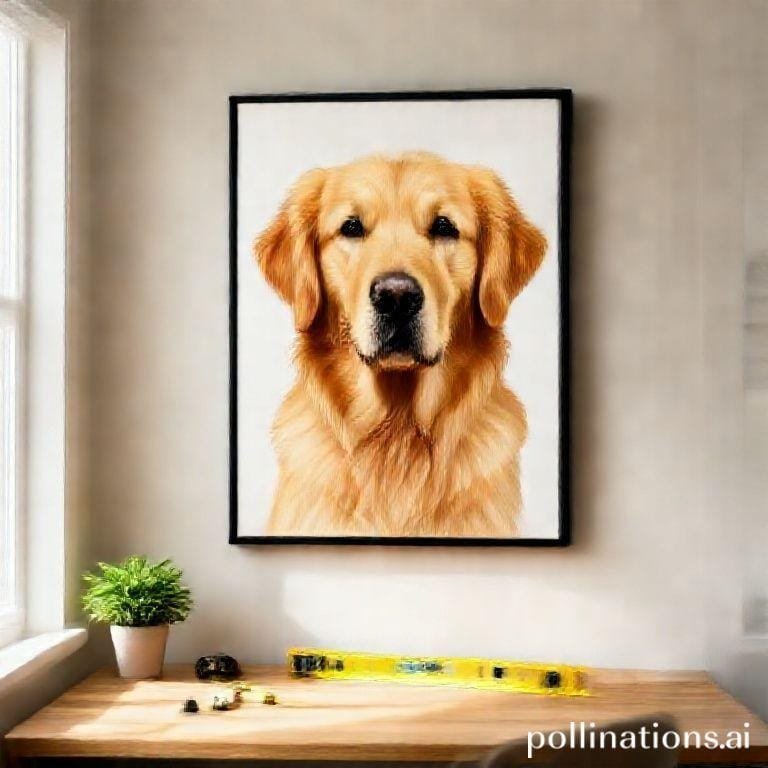
You’ve found the perfect piece of art—the one that feels just right and completes the look of your room. But the trip from a rolled-up print or a blank canvas to a beautiful centerpiece on your wall has one very important, often missed, step: framing and mounting. This process is more than just a practical job; it’s the final step of showing off your art. It protects your purchase, makes the artwork look even better, and decides how it fits into your room. Whether you’re showing a loved family photo, a bright abstract painting, or a classy piece of animal-themed art from Paw Creativ, the right frame and mounting method can lift it from simple decoration to a masterpiece that starts conversations. This guide will take you through everything from picking the perfect frame style and material to choosing between getting a professional to mount it or doing it yourself with confidence. This ensures your wall art gets the display it has earned.
The Foundation: Understanding Frame Styles and Materials
Picking a frame is the first and most powerful choice in showing your art. Think of the frame as a bridge between the artwork and your wall. Its style sets the mood. For a classic look that never goes out of style, think about a traditional wood frame with fancy details or a simple, elegant shape. These frames, often in woods like walnut or oak, or with gold or silver finishes, work very well with oil paintings, portraits, and classic scenery. They add a feeling of importance and lasting value.
On the other hand, modern art often looks best with a simple frame. Think of thin metal frames in black, white, or brushed silver, or even a “floater” frame for canvas art. This creates a small shadow space between the canvas and the frame, making the art look like it’s floating. As designer and art consultant, Alexa Hampton, says,
“The frame should complement the art, not compete with it. A good frame disappears in service of the picture.”
For the fun and heartwarming animal portraits from Paw Creativ, a neat, modern frame in a neutral color can let the personality and charm of the animal be the star. A rough wood frame might better suit a more natural, wildlife scene.
Choosing your material is just as key. Wood brings warmth and can be changed in many ways with different stains and paints. Metal gives a smooth, strong look, great for bigger pieces. Acrylic “box” frames offer a totally modern, clear look like glass but without the weight or danger of breaking. Also, remember the matting (the border around the art inside the frame) is part of this whole package. A well-picked mat can give the art space to breathe, make colors pop, and help a smaller piece feel more important.
Measuring Up: Sizing and Proportion for Perfect Placement
Before you buy a frame or even choose a mounting method, you must measure correctly. This step makes sure your art fits its planned spot in a pleasing way. Start by measuring the artwork itself. For prints or photos, measure the width and height of the paper or picture area. For canvases, measure the wooden bars it’s stretched on.
Next, think about the wall space. A common tip is to pick art that takes up about two-thirds to three-quarters of the width of the furniture below it, like a sofa. For hanging art on a blank wall, the standard is around eye level—about 57 to 60 inches from the floor to the middle of the artwork. But this is a guide, not a strict rule. In rooms with tall ceilings, you might hang pieces higher to pull the eye up.
Proportion is the secret. A very small piece in a huge frame on a big wall can look lonely, while a very large piece can feel like too much. When making a gallery wall with many pieces, like a chosen collection of different animal portraits, lay out the design on the floor first. Try different spacing; keeping 2-3 inch gaps between frames often creates a united look. The goal is balance, which doesn’t always mean everything is perfectly even.
Protection First: Choosing Glazing and Backing Materials
The materials you put in front of and behind your art are its shield. Glazing is the clear cover—glass or acrylic—that guards the art’s surface. Standard glass is cheap but can create glare and is very heavy. For valuable art or pieces in sunny rooms, UV-filtering glass or acrylic is a must to stop colors from fading. As the Canadian Conservation Institute states, “Light, especially ultraviolet (UV) radiation, is one of the most damaging factors for museum collections.”
Anti-reflective (or museum) glass is a top-quality choice that gives amazing clearness with almost no glare. It’s perfect for detailed artwork and rooms with soft light where reflections could be a problem. Acrylic (plexiglass) is lighter and safer than glass (it won’t break), making it great for kids’ rooms or large pieces, though it can get scratched easier.
Behind the art, the backing board gives support and another protective layer. Acid-free foam core or archival mat board is critical for paper-based art like photos, prints, and watercolors. These materials stop acid from moving into the art, which can cause yellowing and make paper brittle over many years. For canvas or strong panels, a simple dust cover of brown paper sealed to the back of the frame keeps out bugs and dirt, finishing the protective box.
The Mounting Decision: To Float, To Mat, or To Go Flush?
How the art sits inside the frame changes how it looks a lot. The three main mounting styles are floated, matted, and flush.
Floating means mounting the artwork so it looks like it’s hovering inside the frame, with a small gap visible around all sides. You do this with special brackets or spacers. It’s a striking, modern look often used for canvas paintings, thick paper art, or pieces with pretty rough edges you want to display. It creates depth and a feeling that the piece is special.
Matting is the classic method for works on paper. A mat is a cardboard border that sits between the clear cover and the art. It does a few jobs: it stops the art from touching the glass (which can cause damage from moisture), gives a visual border that helps focus your look, and lets you choose a color. A white or off-white mat is normal, but a colored mat can highlight a color from the artwork for a bold look.
Flush mounting (or “dry mounting”) means sticking the entire back of a poster or print to a stiff board using heat and pressure. This makes a perfectly smooth, flat, and stiff presentation with no wrinkles. While it gives a sleek, modern look, it is permanent and usually not a good idea for valuable, collectible, or one-of-a-kind art, because you can’t undo it. It’s best for decorative posters or prints where keeping it forever is not the main goal.
Tools and Techniques for Confident DIY Hanging
Hanging your framed art securely doesn’t mean you need a pro, but you do need the right tools and methods. Your basic toolkit should have: a stud finder, a level, a tape measure, a pencil, a hammer, and the right wall hooks. For most medium-weight frames, a simple picture hook is enough. For heavier pieces, you must screw into a solid wall stud or use a strong drywall anchor, like a toggle bolt.
The trick to results that look professional is using the right hardware on the frame itself. Use D-rings instead of the little sawtooth hangers for anything but the lightest pieces. Attach them to the back of the frame, about one-third down from the top. Connect them with a wire, making sure it’s tight enough that when hung, the wire doesn’t show above the frame. For very heavy or large pieces, use two D-rings with no wire, hanging them directly on two hooks or nails in the wall for the most stability.
When marking the wall, measure the distance from the top of the frame’s wire (when pulled tight) to the top of the frame. Add this number to your chosen height for the top of the frame. Mark this spot on the wall; this is where your hook or nail goes. Always use a level to make sure the frame is straight before you finish. For gallery walls, start with the center or biggest piece and work your way out.
Showcasing Your Style: From Gallery Walls to Statement Pieces
With the technical stuff figured out, the last step is styling. How you group and place art shapes a room’s personality. A gallery wall is a lively way to show a collection. Mix frames of different styles but similar colors (like all black, all wood, or all silver) for a cool, mixed-but-matching look. Use different sizes and layouts, and think about adding 3D objects like small shelves next to your Paw Creativ prints for more variety.
For a simple, clean style, let one large statement piece take over. This could be a huge canvas of a powerful wolf or three related panels that make one big picture. Make sure the size is right for the wall; a statement piece should feel planned, not squeezed in.
Think about unusual spots. Lean large frames on a fireplace mantel, shelves, or on the floor against the wall for a relaxed, collected style. In a hallway, create a steady line of pieces in similar frames. The thing that ties it all together—whether it’s a theme (like a love for animals), a color scheme, or a frame style—is what turns separate pieces into a chosen collection.
Framing and mounting are the final, changing steps in the life of a piece of wall art. They are the skills that connect having something to showing it off, linking an object to an experience. By understanding how style, material, protection, and placement work together, you move from just hanging a picture to designing a visual moment in your home. The right frame respects the artist’s work, keeps it safe for the future, and fits it smoothly into your own story. Whether you choose the smooth modern look of a float-mounted canvas or the classic beauty of a double-matted print, the care you put into this process shows how much you value beauty in your everyday life. So, take these tips, get your tools, and start your next framing project with confidence. Your walls—and the art that decorates them—are ready to tell their story. And when you’re looking for that next perfect piece to frame, remember that Paw Creativ has a wonderful collection of animal-themed art made to bring warmth, personality, and a hint of nature into any space. It’s the perfect starting point for your next framing project.