
Your cart is currently empty!
Master the Art of Framing and Mounting Your Wall Decor
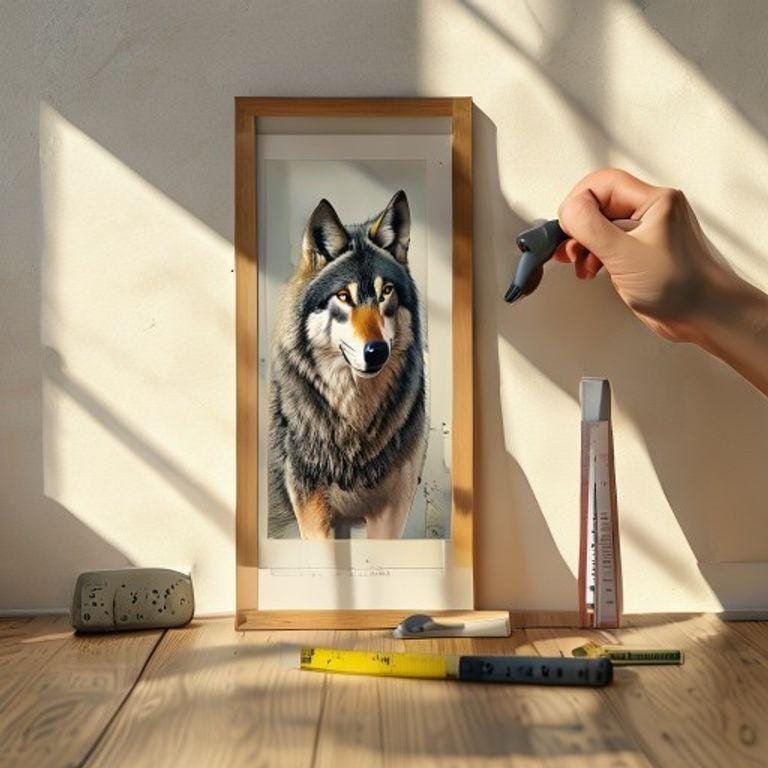
Think of that perfect piece of art you love. It might remind you of a special memory or just make you happy. But getting it from a flat print to a star on your wall has one last, important step: framing and hanging it. This isn’t just about putting it up; it’s like giving your art a stage. It protects your piece, makes it look even better, and helps it fit right into your room. Doing this the wrong way can make even great art look bad, but doing it well can make it amazing. This guide will show you how, from picking the right frame to putting it on the wall perfectly. Whether it’s a family photo or a cool animal print from Paw Creativ, learning this will make sure your art gets the spotlight.
The Bridge Between Art and Wall: Frame Styles and Materials
The frame is like a bridge connecting your art to your wall. Its style sets the mood. A thin metal frame gives a clean, modern look. A classic wood frame feels timeless and elegant. A fancy, detailed frame can add drama, but it needs a strong piece of art to match it. The material matters too. Wood frames feel warm and last a long time. Metal frames are light, simple, and often cheaper. ‘Floating’ frames make art look like it’s hovering inside, which feels airy and modern. Think about your art’s subject. A fun animal portrait from Paw Creativ might look great in a natural wood frame, while a sharp geometric design might suit a crisp metal one. As designer Nate Berkus once said:
“Your home should tell the story of who you are, and be a collection of what you love.”
The frame helps tell that story.
The Supporting Cast: Matting and Glazing
Matting and glazing are the behind-the-scenes helpers that make framing professional. A mat is the colored paper border between the art and the frame. It does three things: it keeps the art from touching the glass, gives the art some visual ‘breathing room,’ and can make colors in the art pop. White mats are safe, but a colored mat can highlight a color in your art for a cool effect. A bigger mat can make a small piece feel more important. Glazing is the clear cover—glass or plastic—over the art. Regular glass is cheap but can have glare. Non-glare glass cuts down reflections, which is great for bright rooms. Plastic glazing is lighter and won’t shatter, good for kids’ rooms. For art you want to keep safe from sunlight, UV-filtering glass stops colors from fading. For a bright Paw Creativ print, UV glass keeps those colors strong, protecting your purchase.
Your Toolbox: Mounting Hardware and Tools
Once your art is framed, you need the right gear to put it on the wall. What you need depends on how heavy it is and what your wall is made of. For light pieces, a simple picture hook is enough. For medium weight, you might need a plastic wall anchor. For very heavy art, you need to screw directly into the wooden studs inside the wall. You’ll also need basic tools:
- A hammer
- A level (a laser level is awesome for this)
- A pencil
- A tape measure
- A stud finder
For hanging a group of pictures, you can use paper cut-outs or painter’s tape to plan the layout on the wall first. Good hardware isn’t just safe; it makes sure your art hangs straight and looks professional.
Hanging One Piece: A Simple Blueprint
Hanging one piece is easy if you follow steps. First, decide how high. A good rule is to have the center of the art about 57 to 60 inches from the floor—right at eye level for most people. If it’s going over a couch, the bottom of the frame should be 6 to 8 inches above it. Next, get your frame ready. Attach hanging hardware (like D-rings) to the back, making sure they are level. Measure from the top of the frame down to the tight wire or hook. Now, mark your wall. From where you want the top-center of the frame to be, measure down that same distance and mark where the nail goes. Use your level to check the mark is straight. Put in your hook, hang the frame, and use the level on top for a final check. Step back and look—you just perfectly anchored your room with art.
Building a Story: Creating a Gallery Wall
A gallery wall is a group of pieces that tell a bigger story together. Planning is key. Start by laying all your frames on the floor to try different arrangements. You can do a neat grid, a loose cluster, or a single line. Keep the space between frames the same (2-3 inches is good) so it looks united. A great trick is to make paper templates of your frames and tape them to the wall to plan without making holes. When you hang, start with the biggest or center piece and work out, using your level every time. Mixing up frame styles, sizes, and directions (tall and wide) makes it interesting. Use different kinds of art—photos, drawings, words. A wall with family photos and Paw Creativ animal art can show your love for nature and family in a cool way.
Different Walls, Different Rules
Not all walls are the same, so you have to hang things differently. For regular drywall, use anchors for anything heavy. Plaster walls are hard and can crack, so drill a small pilot hole first. For brick or concrete, you need a special drill bit and anchors. Tiled walls are tricky; drill slowly with a special bit to avoid cracking the tile, then put an anchor in behind it. If you can’t make holes (like in a rental), try damage-free hanging strips, but check how much weight they hold. Knowing your wall is the first step to hanging art safely, so it stays beautiful for years.
Keeping Your Art Looking Great
Taking care of your art helps it last. Dust frames with a soft, dry cloth. To clean glass or plastic, spray a little glass cleaner on a microfiber cloth first—never directly on the glass, or it might seep behind and hurt the art. Don’t hang art in direct sunlight, right next to a heater, or in a steamy bathroom, as heat and moisture can cause fading or warping. Every so often, check that the hooks and screws on the back are still tight. If you need to store framed art, wrap it in acid-free paper and stand it up in a cool, dry place. These simple steps protect your art’s value and beauty, especially for special prints or pieces that mean a lot to you.
Thinking Outside the Box: Other Ways to Display Art
You don’t always have to nail art to the wall. Try creative ideas to add personality. Lean bigger art on a mantel, shelf, or console table for a relaxed look. Use a picture ledge or shelf to show several pieces you can change easily. For a super modern style, try a magnetic system where the frame clips to a rail on the wall, so you can move it anytime. In a kid’s room, use removable hooks or clip frames to swap out their latest drawings. Don’t forget spots like the back of a door, inside a bookcase, or on a windowsill. These different methods make art feel like a living part of your room, easy to change and interact with.
Framing and hanging are the final, powerful steps in showing off art. They need you to think about style and how to do it, but the reward is huge. A good frame makes the art and your room look better together, and hanging it right shows it off properly. From one perfect piece to a whole gallery wall, these skills let you design your space with confidence. The goal is to make a home that shows who you are. Whether it’s a family treasure or a new Paw Creativ find, framing and mounting it well is an investment in beauty. It turns a house into your home, filled with stories told through art, kept safe and shown with pride. So get your tools, trust your taste, and start hanging—your walls are ready for your story.