
Your cart is currently empty!
Master Wall Art Framing and Mounting Techniques
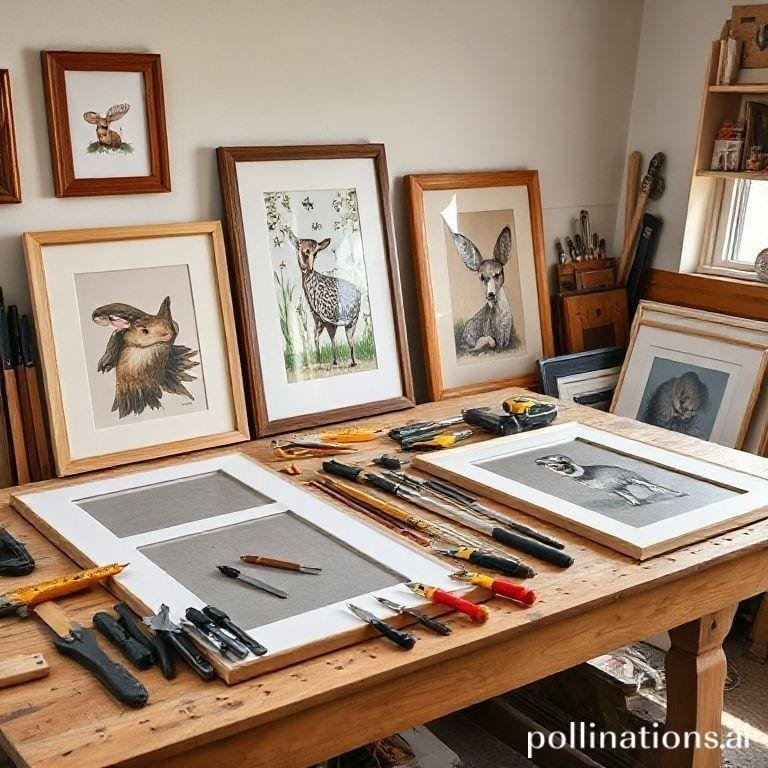
Turning a plain wall into an amazing art display is like building a stage for performers—you need the right setup to make your artwork shine. This guide will show you how to frame and mount your pictures so they look their best and stay safe on your wall.
Getting Started with Framing
Think of framing as giving your artwork a protective home. Good framing does two important jobs: it keeps your pictures safe and makes them look even better. Whether you’re hanging family photos, nature scenes, or animal art, the right frame can turn your wall from boring to beautiful.
Many people find framing confusing, but it doesn’t have to be hard. We’ll walk you through picking frames that match your style and show you how to hang them securely. You’ll learn how different frames can change how a room feels and discover tricks that professionals use.
By the end of this guide, you’ll know how to choose materials and use hanging methods that work. You’ll be able to create displays that look like they belong in an art gallery, whether you’re working with canvas prints, posters, or original artwork.
Picking Your Frame Materials and Styles
Choosing frames is like picking outfits for your artwork. Wood frames feel warm and classic, like a comfortable sweater. Metal frames look modern and sleek, like stylish new shoes. Each material gives your art a different personality.
When selecting frames, think about what’s in your picture and how your room is decorated. Fancy frames with lots of detail work well with traditional art, while simple frames are perfect for modern photos. The frame color should either match your artwork’s main colors or create interesting contrast.
Here are some practical things to consider:
- For valuable artwork, use special materials that protect against sunlight damage
- Make sure frames are deep enough to hold your artwork properly
- Always measure your artwork before buying frames
- Get professional help for expensive or sentimental pieces
Using Mats to Make Art Pop
Mats are like picture frames within frames—they create space between your artwork and the glass. The right mat can make your picture look more important and professional. Single mats give a clean look, while double mats add fancy layers.
Color choice is crucial for mats. White and cream mats work with almost everything, but colored mats can either match your artwork or create exciting contrast. A good trick is to pick a color from your picture that isn’t the main color.
Different mat materials offer various benefits:
- Standard paper mats are affordable and protective
- Special conservation mats protect valuable artwork better
- Textured mats like linen add luxury and interest
- Mats with angled edges create elegant transitions
Choosing Protective Glass
The glass you choose is like sunscreen for your artwork—it protects against damage while letting people see the beauty underneath. Regular glass provides basic protection but can create annoying reflections. Non-glare glass reduces reflections while keeping good visibility.
For valuable artwork, special conservation glass blocks most harmful UV rays, like strong sunscreen for your pictures. Museum glass takes this further by making reflections disappear almost completely, so viewers can see colors and details clearly.
In rooms where safety matters, like children’s rooms, acrylic works well because it doesn’t break like glass. Just remember to clean all protective surfaces gently with the right cleaners to avoid damage.
Tools You’ll Need
Having the right tools is like having a good recipe—it makes everything easier. Basic framing tools include:
- A good work surface and measuring tools
- Quality cutters for making clean edges
- Special tools for putting frames together securely
- Proper cleaning supplies to keep everything spotless
Measuring and leveling tools help you hang artwork straight and professional-looking. A laser level creates perfectly straight lines, while a stud finder helps you locate the strongest parts of your wall for hanging heavy pieces.
Preparing Your Walls
Getting your wall ready is like preparing soil for planting—it creates the foundation for everything that follows. First, figure out what your wall is made of: drywall, plaster, concrete, or brick. Each material needs different hanging methods.
Fix any wall problems like cracks or holes before you start hanging artwork. These flaws can distract from your beautiful pictures. Think about your wall color too—light walls make artwork stand out, while dark walls create dramatic backgrounds.
Consider your room’s environment. Don’t put valuable artwork in direct sunlight or places with big temperature changes. Try to keep humidity around 40-50% to prevent damage. Good preparation means your artwork will stay beautiful and secure for years.
Hanging Methods for Different Walls
Hanging artwork successfully means using the right method for your wall type. For regular drywall, picture hangers work well for lighter pieces. Heavier items need special anchors that spread weight across more wall area. When you can find wooden studs behind drywall, use strong screws that go deep into the wood.
Plaster walls can be tricky because they break easily. Use special plaster anchors that won’t cause cracking. For concrete or brick walls, you’ll need special drills and anchors made for masonry.
If you don’t want to put holes in your walls, try these alternatives:
- Strong adhesive strips or tapes
- French cleat systems for heavy pieces
- Picture rail molding for traditional looks
- Paper templates to plan gallery walls before hanging
Always test your hanging method with something heavy before trusting it with valuable artwork.
Creating Gallery Walls
Gallery walls are like creating a visual story with multiple pictures. Start by choosing something that ties all your artwork together, like similar frames, matching colors, or a common theme like animal art. Mix different sizes but keep spacing consistent—about 2-3 inches between frames usually works well.
Planning is the most important step for gallery walls. Make paper templates of your frames and arrange them on the floor first. Take pictures of arrangements you like for reference. Common layouts include:
- Grid patterns for same-sized frames
- Salon-style arrangements that fill space naturally
- Symmetrical designs for formal looks
When hanging, start with your center or largest piece and work outward. Use a level to keep everything straight. Step back often to check your progress. The finished wall should feel planned but natural, guiding viewers’ eyes through your collection.
Caring for Your Artwork
Taking care of your framed artwork is like maintaining a valuable possession—regular attention keeps it looking great. Dust frames regularly with a soft cloth. Clean glass carefully by spraying cleaner on the cloth first, not directly on the glass.
Check your hanging hardware occasionally to make sure nothing has loosened. For valuable pieces, consider having professionals check the mounting every few years. Keep watching humidity levels and protect artwork from direct sunlight.
Season changes can affect your artwork. In dry winters, static electricity might attract more dust. In humid summers, watch for moisture inside frames. When cleaning nearby, be careful not to bump your artwork. If you need to move pieces, take them down properly instead of sliding them.
Final Thoughts
Learning to frame and mount artwork properly changes how you enjoy and share your favorite pictures. Every decision—from choosing materials to installation methods—helps create displays that look professional and make your space special.
Remember that the best framing enhances your artwork without overpowering it. Frames should complement your pictures, not compete with them. Don’t be afraid to try different arrangements and materials—sometimes the most amazing displays come from unexpected combinations that show your personal style.
As you practice your framing skills, consider how animal-themed artwork can add warmth and personality to your rooms. Whether you love wildlife photography or playful pet pictures, proper framing and mounting help these pieces become lasting parts of your home’s character and comfort.