
Your cart is currently empty!
Mastering Art Style Fusion
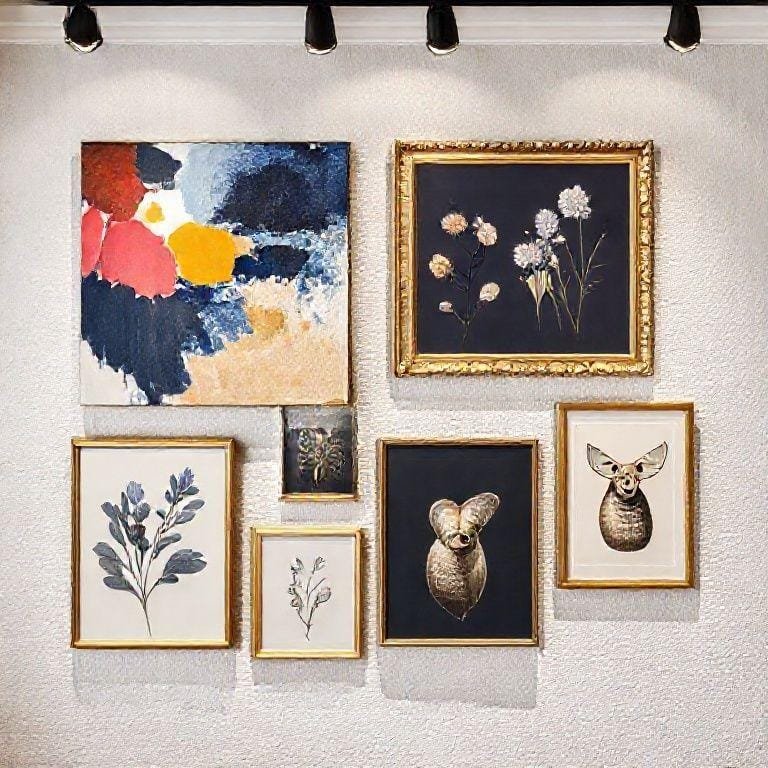
Creating a beautiful home that shows off your personality is like making a great playlist—you mix different types of music instead of sticking to just one. Mixing abstract, vintage, and modern art can turn your space into a lively, layered room that tells a story. This method lets you express yourself and adds visual excitement that a single-style room might miss.
When done well, combining these different styles creates a look that is both balanced and exciting. Think of abstract art as the emotional heartbeat of the room—it brings feeling and modern energy. Vintage pieces are like wise old friends—they add character and history. Modern works are the clean, fresh voice—they keep things current and relevant. The secret is finding the right mix and connection points between these different elements.
In this guide, we’ll share practical tips for blending abstract, vintage, and modern art styles. You’ll learn how to create arrangements that flow, choose elements that tie everything together, and set up your space for big impact. Whether you’re starting from zero or refreshing your current decor, these ideas will help you get a professionally styled look that feels truly like you.
Getting to Know the Main Styles
Before you start mixing art styles, it helps to understand what makes each one special. Abstract art uses shapes, colors, and brushstrokes that don’t look like real things—instead, they make you feel something. Imagine Jackson Pollock’s wild paint splatters or Mark Rothko’s big color blocks. These pieces set the mood in a room through color and form rather than showing recognizable objects.
Vintage art includes works from past decades—usually pieces that are 20-40 years old or more. This could be mid-century prints, Victorian portraits, or Art Deco posters. Vintage art brings history, a sense of age, and timeless charm to your space. They often have traditional techniques and frames that show their era. The beauty of vintage art often lies in its small imperfections and the stories it hints at.
Modern art refers to works made recently by artists who are still creating today. This style often reflects current trends, technology, and social ideas. Modern pieces might include digital art, photography, mixed media, or simple minimalist works. They bring a fresh, up-to-date energy to your room and can start great conversations. The clean lines and current feel of modern art create nice contrast with both abstract and vintage pieces.
Finding What Ties Everything Together
The key to successfully mixing different art styles is finding at least one thing that connects them all. Color is your most powerful tool here. Pick a color scheme of 3-5 colors that appears in all your different pieces. For example, you might choose navy blue, cream, and gold as your connecting colors, making sure each artwork—whether abstract, vintage, or modern—includes at least one of these colors.
Size and proportion give you another way to create unity. Think about how your different pieces relate in size. You might create visual harmony by grouping small vintage prints with a large abstract painting, using similar spacing between them. Our eyes naturally look for patterns, so keeping sizes consistent or creating intentional size differences can make diverse styles feel connected.
Texture and materials can be subtle but powerful connectors. If you have a vintage oil painting with visible brush marks, pair it with an abstract piece that has similar texture. Or use matching frame materials—maybe all black frames or all natural wood tones—to create visual continuity. Even the mats and how pieces are presented can help unite different art styles.
Placing Your Art Strategically
How you arrange your mixed-style artwork really affects how put-together your space feels. Create intentional groups instead of scattering pieces randomly around the room. A gallery wall that mixes abstract, vintage, and modern pieces can tell a great visual story when arranged carefully. Start with your largest or most eye-catching piece as your anchor, then build around it with other works that complement it.
Think about sight lines and how people move through the room. Place detailed vintage pieces where people can see them up close, while putting bold abstract works where they can make an impact from across the room. Modern pieces with clean lines often work well as bridges between more emotional abstract works and detailed vintage pieces.
Don’t forget about empty space—the areas around and between artworks. Good use of empty space lets each piece breathe and be appreciated on its own while still contributing to the whole arrangement. When mixing strong styles like abstract art with delicate vintage prints, generous empty space prevents visual competition and lets each work shine while working together harmoniously.
Creating Balance Through Differences
Successful style mixing often depends on thoughtful contrast rather than trying to make everything match perfectly. Pair a simple modern photograph with a fancy vintage frame to create interesting tension. Place a bright, colorful abstract piece next to a soft, single-color vintage print to make both pieces stand out more. The differences between styles can highlight what makes each work special.
Consider the feeling and energy of each piece when creating contrast. A calm, peaceful landscape painting (vintage) might balance perfectly with a wild, chaotic abstract work. A precise, geometric modern piece could provide structure and order when placed near a more flowing abstract composition. These intentional contrasts create visual interest and prevent any single style from taking over the space.
Contrast also applies to subject matter and composition. Pair vintage works that show real things with abstract pieces that don’t represent anything recognizable. Combine detailed vintage etchings with simple modern graphics. These combinations encourage viewers to appreciate art from different angles and create a more engaging, thought-provoking environment.
Using Pieces That Bridge Styles
Transitional artworks that mix characteristics of multiple styles can help connect very different pieces. Look for modern works that use vintage techniques or abstract pieces with historical influences. These hybrid works act like visual translators, making the jumps between pure abstract, vintage, and modern styles feel more intentional and less sudden.
Custom pieces can offer great bridging opportunities. Animal-themed artworks often blend modern style with timeless subjects, creating natural connections between different style categories. A modern wolf portrait with abstract background elements, for example, can connect a vintage wildlife print with a pure abstract painting, creating a smooth story across styles.
Don’t underestimate decorative objects and accessories as bridging elements. A vintage-style frame on a modern piece, or a contemporary sculpture displayed near traditional artworks, can help smooth style transitions throughout your space. Even your furniture and lighting choices can help create a cohesive environment that supports your mixed-style art collection.
Developing Your Personal Story
The best mixed-style collections tell a story about the collector’s tastes, experiences, and personality. Instead of following strict rules, focus on developing a personal narrative that connects your diverse pieces. Maybe you’re drawn to artworks that explore similar themes from different stylistic angles, or perhaps your collection shows your journey through various artistic interests over time.
Consider creating small collections within your larger arrangement. Group several vintage botanical prints together, then place them near a modern abstract work inspired by natural forms. This creates theme continuity while keeping style diversity. Your personal connections to the pieces—why you chose them, what they mean to you—often provide the strongest unifying thread in a mixed-style collection.
Remember that your art collection can and should change over time. As you discover new pieces, think about how they might enhance your existing story or start new chapters. The beauty of mixing styles is that it allows for flexibility and growth, reflecting your changing tastes and experiences while keeping a cohesive visual environment.
Practical Arrangement Tips
When physically arranging your mixed-style collection, start by laying everything on the floor to try different setups before hanging anything. This lets you see how pieces relate to each other and make easy changes. Pay attention to how colors, shapes, and themes work across different styles, and look for natural groupings that create visual harmony.
Use the “rule of thirds” when creating arrangements—dividing your wall space into three equal sections both across and down, then placing key elements where the lines cross. This classic composition technique works beautifully for mixed-style groupings, helping create balance and flow no matter what styles you’re mixing. The main focus points of your arrangement should land at these strategic crossing points.
Consider creating “style zones” within larger spaces if you have a big collection. You might have a mainly modern zone in your living area, a vintage-focused arrangement in your dining space, and abstract works in your hallway, with bridging pieces connecting these areas. This approach lets you enjoy multiple styles while keeping things coherent within each viewing area.
Lighting and Presentation Matters
Good lighting can dramatically improve how your mixed-style collection looks and feels. Use consistent lighting across different styles to create visual unity. Track lighting with adjustable heads lets you highlight specific pieces while keeping light quality consistent throughout your arrangement. Think about the color temperature of your bulbs—warmer light often flatters vintage works, while cooler light can enhance modern pieces.
Presentation details like framing, matting, and hanging height contribute significantly to cohesion. While you don’t need identical frames for every piece, establishing some consistency—maybe all wood tones or all metal finishes—helps unite diverse styles. Similarly, keeping consistent hanging height (usually with the center of artworks at eye level, about 57-60 inches from the floor) creates rhythm and order.
Don’t forget about the walls themselves. The color and texture of your wall surfaces provide the background for your entire collection. Neutral walls often work best for mixed-style arrangements, letting the artworks take center stage. However, a bold wall color can sometimes serve as the unifying element that ties together your diverse pieces, especially if that color appears in multiple works across different styles.
Mixing abstract, vintage, and modern art styles takes both courage and careful thought, but the results are definitely worth it. By understanding what makes each style special, finding connecting elements, creating intentional contrasts, and developing your personal story, you can create a space that feels both cohesive and exciting.
The best mixed-style collections reflect the collector’s unique perspective and journey. Don’t be afraid to trust your instincts and include pieces that personally speak to you, even if they don’t fit conventional style categories. The connections you feel to individual works often create the strongest unifying thread in a diverse collection.
Remember that art arrangement is an ongoing process rather than a one-time event. As you discover new pieces, think about how they might enhance your existing story or bring exciting new contrasts. The flexibility of mixed-style decorating lets your space grow and change with you, always showing your current tastes while honoring the pieces you’ve collected along the way.
Ultimately, the goal isn’t perfection but personal expression. Your home should tell your story, and sometimes that story is best told through a rich mix of different artistic voices. By skillfully blending abstract, vintage, and modern styles, you create an environment that’s uniquely yours—visually exciting, emotionally meaningful, and always interesting to both live with and share with others.