
Your cart is currently empty!
Mastering Gallery Wall Arrangements
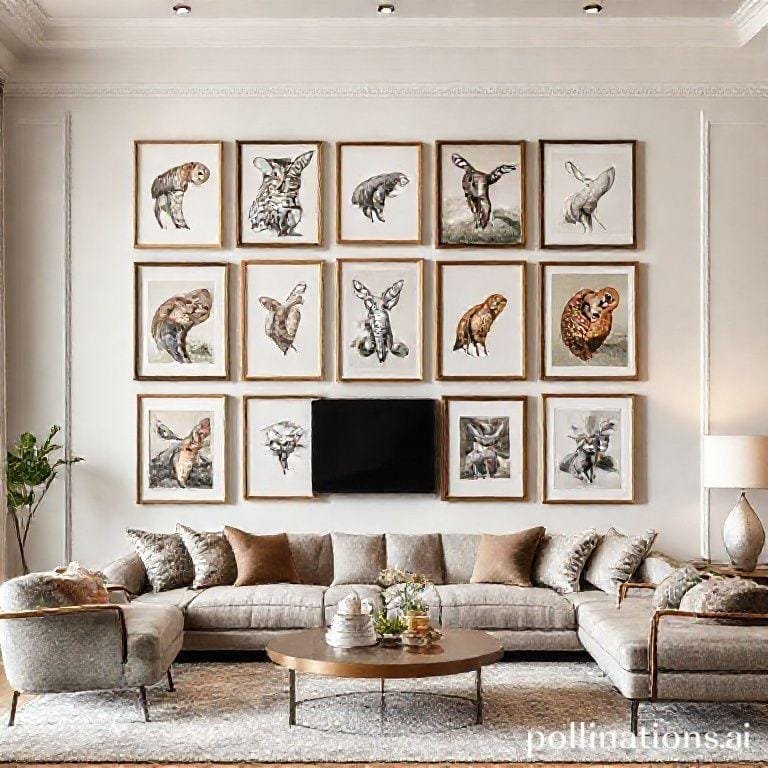
Gallery walls have become one of the most popular ways to show off personal style and turn empty walls into interesting stories. Think of them like a photo album on your wall – they let you express who you are, share your experiences, and create a centerpiece that shows your unique taste. Whether you love art or just want to make your home look better, learning how to arrange gallery walls can completely change your living space.
The great thing about gallery walls is their flexibility – they can be neat and organized like a checkerboard, or creative and free-flowing like a collage. They work well in living rooms, hallways, bedrooms, and even home offices. However, creating a gallery wall that looks put together requires planning and thinking about different elements, from how you arrange things to color matching and theme development.
Planning Your Gallery Wall Layout
Before you start putting nails in your wall, planning is key to creating a successful gallery wall. Begin by measuring your wall space and thinking about what’s already in the room – furniture, lights, and architectural features all help decide the best size and placement for your gallery wall.
Many designers suggest making paper templates of your wall and cutting out paper shapes for each frame size. This lets you try different arrangements without making permanent holes. You can also use painter’s tape to mark the gallery wall area and where frames might go. This planning step helps you see the final result and make changes before you start hanging.
Think about how far away people will view your gallery wall and at what eye level. Gallery walls are usually hung with the center about 57-60 inches from the floor, which is considered standard eye level. However, you might need to adjust this based on your ceiling height and furniture. Remember that gallery walls should feel purposeful, not random, so take time to plan carefully.
Choosing Your Gallery Wall Style
Gallery walls can take many forms, from perfectly lined-up grid patterns to organic, salon-style arrangements. The grid layout uses frames of the same size arranged in neat rows and columns, creating a clean, modern look that works well with simple or contemporary interiors. This style is great for showing a series of related artworks or photographs.
Salon-style arrangements give you more creative freedom, allowing you to mix different frame sizes, directions, and styles. This approach creates lively visual interest and works beautifully in traditional or eclectic spaces. The secret to successful salon-style gallery walls is keeping balance through careful placement and thinking about the overall shape and flow.
Other popular styles include symmetrical layouts, which create formal balance with matching frames on either side of a center point, and organic arrangements that follow the natural lines of your wall space. Consider your personal style and the room’s existing decor when choosing your gallery wall style.
Selecting and Coordinating Artwork
The artwork you choose is the heart of your gallery wall and should reflect your personal interests and style. When selecting pieces, think about creating a theme that ties everything together. This could be based on subject matter, color palette, artistic style, or frame type.
Mixing different types of artwork can add depth and interest to your gallery wall. Consider combining photographs with drawings, paintings with fabric art, or vintage finds with modern pieces. The key is finding common elements that create visual harmony. For example, you might choose artworks that share similar colors or subjects.
Don’t be afraid to include personal items alongside purchased artwork. Family photos, children’s drawings, or meaningful keepsakes can make your gallery wall truly unique. The best gallery walls often tell a story or represent different parts of your life and interests.
Frame Selection and Coordination
Frames help bring your gallery wall together and can greatly affect the overall look. You have several options for frame selection: using identical frames for a unified, modern appearance; mixing frame styles while keeping a consistent color; or creating an eclectic mix of frames in various colors, materials, and styles.
For a harmonious look, many designers recommend choosing frames that share something in common, like all wood tones, all metal finishes, or all simple black frames. This creates visual continuity while allowing for variation in frame width and detail. If you prefer an eclectic approach, make sure there’s some repetition of colors or materials to keep the arrangement from feeling messy.
Consider the matting too – consistent mat colors can help unify different artworks, while varying mat widths can create visual interest. When selecting frames, think about how the frame color and style will complement both the artwork and your room’s existing decor.
Arrangement Techniques and Balance
Creating visual balance is essential for a successful gallery wall arrangement. Balance doesn’t necessarily mean perfect symmetry – it means spreading visual weight evenly throughout the composition. Larger, darker, or more detailed pieces have more visual weight, while smaller, lighter pieces have less. The goal is to distribute these elements so no single area feels too heavy or empty.
Start by placing your largest or most important piece first, then build around it. This main piece will serve as the foundation for your arrangement. Place medium-sized pieces next, filling in with smaller artworks to complete the composition. Step back often to check the balance and make adjustments as needed.
Pay attention to the space between frames – usually, 2-3 inches between frames works well for most arrangements. Consistent spacing helps create a cohesive look, even with different frame sizes. For salon-style arrangements, you might vary the spacing slightly to create movement and visual interest. Remember that gallery walls should feel intentional, so take your time arranging until you achieve the perfect balance.
Hanging and Installation Methods
Proper installation is important to make sure your gallery wall looks professional and secure. Begin by gathering the right tools: a level, measuring tape, pencil, hammer, picture hooks suitable for your wall type, and optionally, a laser level for precision. For heavy pieces, use wall anchors or toggle bolts to ensure secure installation.
Many experts recommend creating a paper template of your entire arrangement before hanging. Trace each frame onto craft paper, cut out the shapes, and tape them to the wall in your desired arrangement. This lets you make adjustments and ensures perfect placement before making any holes. Mark where the hanging hardware should go directly on the paper templates.
When hanging, start with your center or main piece and work outward. Use a level for each frame, and double-check measurements as you go. For gallery walls with multiple rows, consider using a laser level to make sure lines are straight across the entire arrangement. Don’t be discouraged if it takes several tries to get everything perfectly aligned – even professional designers often need to make adjustments during installation.
Lighting and Final Touches
Proper lighting can greatly improve your gallery wall and make sure your artworks are shown at their best. Consider both natural and artificial lighting when planning your arrangement. Avoid placing artworks where they’ll get direct sunlight, which can cause fading over time. Instead, use ambient lighting or install picture lights to highlight specific pieces.
Track lighting or adjustable spotlights are good options for gallery walls, since they let you direct light exactly where needed. For a more subtle approach, consider wall-mounted picture lights that attach directly above individual frames. These not only light up the artwork but also add an elegant, gallery-like feel to your arrangement.
After installation, take time to live with your gallery wall and make any final adjustments. You might find that certain pieces would work better in different positions, or that you want to add more elements. Gallery walls can change over time, so don’t be afraid to make changes as your collection grows or your style evolves. The best gallery walls are those that reflect your personality and make you happy every time you see them.
Creating the perfect gallery wall is both creative and technical, requiring careful planning, thoughtful artwork selection, and precise execution. By following these guidelines, you can transform any empty wall into a beautiful display that shows your personal style and improves your living space. Remember that gallery walls should grow with you – don’t be afraid to add new pieces, rearrange existing ones, or completely change your arrangement as your tastes change.
The most important part of any gallery wall is that it reflects your personality and tells your story. Don’t feel limited by rules – use these guidelines as starting points, but trust your instincts and create an arrangement that feels right for you. Whether you prefer perfectly aligned grids or free-form salon styles, your gallery wall should celebrate the art and memories that matter most to you.