
Your cart is currently empty!
Mastering the Art of Eclectic Style
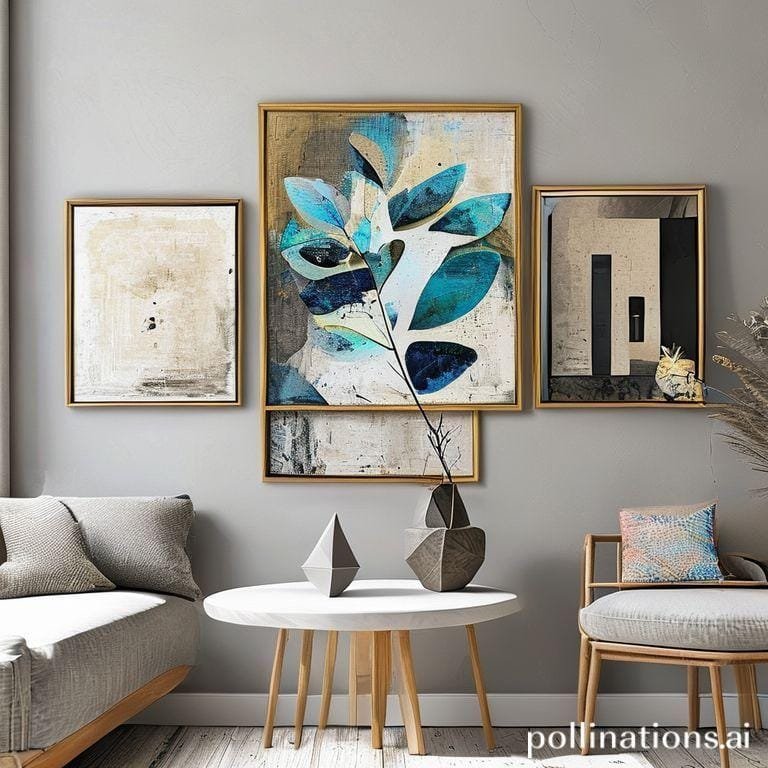
Think of decorating your home like putting together a great playlist. You wouldn’t want every song to sound the same. Mixing slow songs with fast ones, old classics with new hits, makes it interesting. The same is true for your walls. You can mix different kinds of art to make a space that is all your own.
For a long time, people thought everything in a room had to match perfectly. Now, the best rooms mix things up. This lets you show off your unique story and all the things you love. It’s like starting a conversation between different pieces. A simple, modern chair can “talk” to a fancy, old-fashioned picture frame. A plain sculpture can get along with a bright, patterned fabric.
But you can’t just throw things together and hope it works. You need a plan to make it look good on purpose. This guide will show you how to mix three main styles: emotional abstract art, charming old vintage finds, and clean contemporary design. We’ll talk about how to use color to tie things together, how to balance sizes, and how to create a wall display that feels like you.
Start with Something That Ties Everything Together
The first and most important step is to find common ground. Without it, your collection might look like a messy pile. This common ground is the glue that holds your different pieces together. It creates a sense of order.
Your main tool for this is color. You don’t need every piece to use the same colors, but picking two or three main colors to repeat helps a lot. For example, if you have a wild abstract painting with blue and orange, look for an old map with similar orange-brown tones. Then, add a modern black-and-white photo that matches dark lines in the painting. This color connection ties them together. As one designer said,
“The common thread is often color, which can weave together the most unlikely companions.”
Another simple trick is to use the same kind of frames. Putting all your art in similar black, white, or wood frames makes everything look polished and connected, even if the art inside is totally different. The frame acts like a neutral border.
Finally, think about space and arrangement. Leaving even, generous space between each piece gives your eyes room to look at each style separately. This empty space acts like a buffer. The shape of your whole arrangement—a neat grid or a loose cluster—also helps create unity. Start with color, frames, and layout to build a stable stage for your art to shine together.
Let Abstract Art Be the Heartbeat
Abstract art is the emotional core of the mix. It adds energy and a modern feel. In a blend of styles, abstract pieces are often the bold statement-makers. They grab your attention and set the mood. Because they don’t show real objects, they are very flexible to work with.
Think about an abstract piece’s color and texture. A large, textured painting in earth tones can be a calm background for detailed old drawings. A small, bright abstract piece can be like an “exclamation point” in a group of quiet photos. Let the abstract art speak through its colors and shapes. As one artist noted, abstract art shows a feeling or idea we can’t quite see or describe, but we know is there. In your home, this feeling becomes the center that other styles circle around.
Use abstract art to connect old and new. An old painting of a forest might feel very traditional alone. But if you place it next to an abstract work that uses similar green colors, they suddenly connect. The abstract piece makes the old one feel fresh and chosen on purpose. Also, a geometric abstract can match the clean lines of a modern sculpture in the room.
Size matters. Don’t be scared to let a big abstract piece be the star. A large canvas can be the anchor of your display, with smaller vintage and modern pieces arranged around it like planets around the sun. This creates balance and keeps things from looking messy. The abstract work organizes the space with a block of color or shape.
Add Story with Vintage Charm
Vintage art brings history, warmth, and a story to your collection. It’s the part that whispers about the past. Vintage pieces—like old paintings, maps, posters, or nature drawings—add character and a feeling of being collected over a lifetime, not bought all at once.
The beauty of vintage is often in its imperfections: the slight yellow of old paper, the fine cracks in the paint, the fancy details on an old frame. These “flaws” add soul. When you put vintage next to modern styles, these imperfections create a beautiful contrast. The perfect surface of a new print looks even crisper next to the aged feel of an old etching.
To mix vintage well, treat it with respect. Group a few small vintage pieces together so they have more visual weight next to a big modern piece. For example, three small framed butterfly specimens can balance a large, simple abstract canvas. Or, use one amazing vintage item as the main focus. A large, colorful old map can be the star, with smaller abstract pieces around it that pick up colors from the map.
Think about the subject. Old portraits of animals are a great way to connect styles. A classic painting of a dog has a traditional feel. But if you also have a modern or abstract piece about an animal, it starts a cool conversation between them. This keeps your theme strong while mixing old and new.
Use Contemporary Style for a Clean Balance
Contemporary art is the calm, clear voice in the mix. It brings simplicity and order. Defined by clean lines, simple forms, and often just black-and-white or a few colors, contemporary pieces give your eyes a place to rest. They are the “deep breath” in the sentence, letting you appreciate the busier abstract and vintage pieces more.
In practice, contemporary art often grounds a collection. A large, simple photo of a building or landscape can be a calm anchor on a busy wall. Its simplicity lets your eyes reset. This balance is key. The famous idea that “less is more” works here. The “less” of a contemporary piece makes you appreciate the “more” of everything else.
Use contemporary art to create rhythm. Hanging three identical simple line drawings in a row creates a strong, modern baseline. You can then break this pattern by putting a more detailed vintage piece above it. This creates a smart contrast. The repetition of the contemporary pieces shows that your whole arrangement is carefully chosen, not random.
Contemporary art also lets you play with different materials. A piece behind glossy acrylic, a metal wall sculpture, or a print on aluminum adds a new texture. Mixing these materials with the matte paper of vintage art and the rough canvas of abstract art adds a layer of interest you can feel. For a consistent theme, think of a sleek, graphic silhouette of a cat or a geometric bird. These modern animal designs can calm the richness of vintage styles and focus the energy of abstract pieces.
Putting It All Together: The Gallery Wall
Now, let’s build the ultimate mixed-style project: the gallery wall. This is where your skills will shine. A gallery wall is like a small version of your whole design idea.
Start on the floor, not the wall. Lay out all your pieces in a big space. Play with arrangements. Put your biggest piece—often an abstract or a major vintage find—a little off-center as your anchor. Build around it. Mix tall and wide pieces. Mix big and small pieces. The goal is to make your eye travel smoothly across all of them. Remember, a small, dark piece can feel as “heavy” as a big, light one. Balance them.
You can even add non-art objects for more personality. A small shelf with a sculpture, an old clock, or a piece of fabric can be part of the gallery. This adds a 3D element and makes it feel more personal. A simple shelf can also act like an underline, organizing the pieces below it.
When hanging, consistent spacing is more important than perfect symmetry. Use the same gap between all frames. This empty space is the quiet organizer that makes even a wild mix look planned. Use paper cutouts of your frames and painter’s tape to plan on the wall before you use any nails. Finally, light it well. A good light will show off the gloss of a contemporary piece, the texture of an abstract, and the fine detail of a vintage print.
Bringing the Mix into the Whole Room
Your art mix shouldn’t stop at the wall. The best rooms let the conversation between styles flow into the furniture and decorations, creating a complete experience.
Let your art choose your room’s colors. Pull a main color from your abstract painting for your throw pillows. Pick a color from a vintage piece for a rug or chair. This makes the room feel like an extension of the art. If your wall has abstract art with sage green and a vintage piece with cream, you might choose a cream sofa and add sage green pillows.
Mix furniture styles with the same confidence. A sleek, modern sofa can sit perfectly under a large, expressive abstract painting. Pair it with vintage-style chairs and a simple coffee table. Find connections: similar wood colors or matching metal finishes. The room becomes a 3D gallery.
Accessorize with purpose. Decorative objects are the punctuation marks. A simple modern vase relates to your contemporary art. A stack of old books with nice covers nods to your vintage prints. An abstract ceramic sculpture echoes shapes on your wall. Even a modern geometric blanket can mirror patterns in your art, while an old-style rug adds the warmth of your vintage pieces. By curating every layer, your mixed wall art becomes the inspiring heart of a home that is truly yours.
Creating a home that feels like you means using the art you love, not just what matches. The magic is in the mix—confidently pairing a vibrant abstract with a quiet vintage treasure, all balanced by clean contemporary design. This approach turns your walls into a living diary of your tastes.
Remember, the goal is personality, not perfection. Start with a unifying element like color. Let abstract art provide emotion. Use vintage pieces for story. Use contemporary works for clarity. Practice your layout on the floor first. Don’t be afraid to let the style flow into your furniture. The best homes feel collected and lived-in, not just decorated.