
Your cart is currently empty!
Mastering the Art of the Gallery Wall
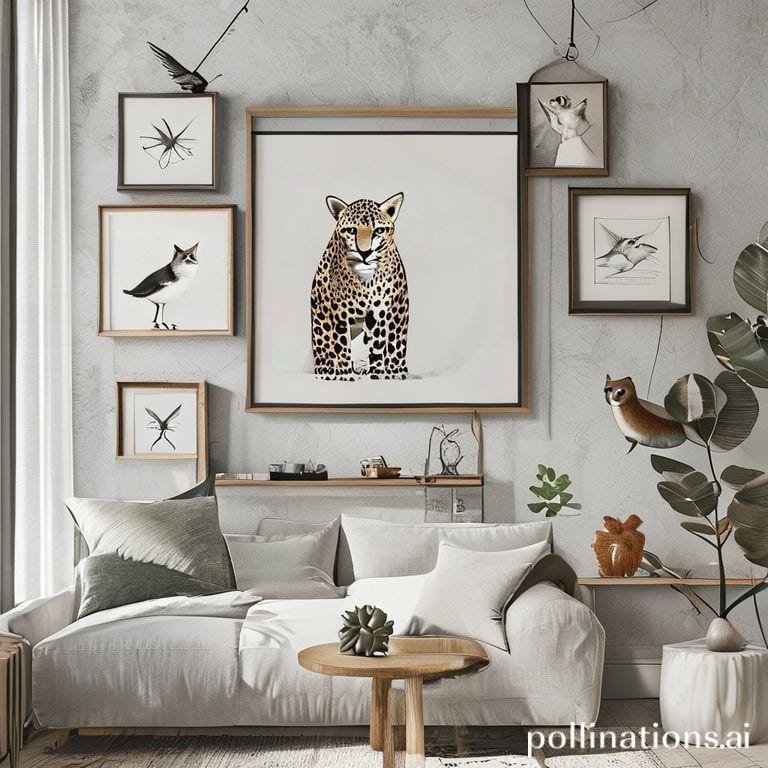
Think of a plain wall in your house. Now, picture it changing into a lively, personal storyboard that shows off who you are, highlights what you love, and turns into the main attraction of the room. This is the power of a gallery wall. It’s not just a bunch of frames. A good gallery wall is like a hand-picked show, a visual concert that shows your one-of-a-kind personality. Whether you love art, are a proud pet owner, or just want to add some life to a room, learning to make a gallery wall is a key skill in home decorating today. It’s about making different pieces work together in harmony, turning separate items into one beautiful picture.
This guide will take you through every step, from the first idea to the last tap of the hammer. We’ll look at the basic rules of design, check out different layout styles for any look, and give you clear, step-by-step directions to make sure your project works. We’ll also talk about how to pick the perfect art that means something to you. This includes how to use a favorite idea, like art about animals, to make a cozy feeling. In the end, you’ll have the know-how to create a gallery wall that doesn’t just cover a space, but truly makes it feel finished.
Chapter 1: Starting Strong – Planning Your Wall
Every great gallery wall starts with a plan, long before any hooks go up. It begins with a picture in your mind. The first and most important step is picking your wall. Think about how people move in the room and where they will look. A big, empty wall in a living room, hallway, or over a couch or bed is a classic choice. The size of the wall will change the size of your arrangement; a huge wall can handle a big, mixed group, while a smaller space might need a taller, simpler layout.
Next, figure out your ‘why.’ What is this gallery for? Is it a timeline of your family, a story of your trips, a display for artists you like, or a theme about nature and animals? Having a main theme or set of colors creates unity right away, even if each piece of art looks different. For example, a group tied together by black frames and soft, natural colors in the art will feel planned and peaceful. As the design blog Apartment Therapy says,
A gallery wall should tell a story. Think about the narrative you want to create in the room.
Collect all the pieces you are thinking about using. This means art prints, photos, small shelves for objects, or even fabrics. Don’t be scared to mix different types! Lay them all out on a big table or the floor. Putting them together like this lets you see the colors, sizes, and styles next to each other. Try different pairs. You might find that a strong, simple print of a wolf looks great with a fine, detailed drawing of a bird, making an interesting difference in feel and look. This planning time is your playground—try things out.
Chapter 2: The Guidebook (And When to Ignore It) – Design Rules
Knowing a few main design rules will lift your gallery wall from ‘okay’ to ‘outstanding.’ The most important is balance. This doesn’t mean both sides are exactly the same (unless you want that), but a visual steadiness. A large, dark piece on one side should be balanced by a group of smaller pieces or another big item on the other side. Think of your arrangement like a seesaw; it should feel stable, not tipped over.
Spacing is the quiet star of gallery walls. Keeping the same amount of space between frames makes a neat, tidy look. A good general rule is to keep 2 to 3 inches between each frame. This even ‘breathing space’ lets each piece stand out on its own while still being part of the group. For a more natural, collected feel, you can change the spacing a little, but keep a general pattern to avoid a messy look.
Finally, set up a visual anchor. This is usually the biggest, most important piece in your group. Hang this piece first, a little away from the center (often using the ‘rule of thirds’), and build the arrangement around it. The anchor gives a main point for your eye to find, providing a skeleton for the whole display. Remember, these are suggestions, not strict laws. Once you get them, you can cleverly break them to get a specific, lively effect.
Chapter 3: Picking Your Layout – A Look for Every Place
The layout is the bones of your gallery wall. Here are a few popular styles to think about:
- The Grid: For the person who loves order. This layout uses frames of the same size and direction set in neat, even rows and columns. It’s simple, modern, and very good for making a strong graphic point. It works especially well with a set of connected works, like plant prints or a series of animal pictures showing different creatures.
- The Salon-Style (or Mixed) Cluster: This is the classic, layered look you often see in old art galleries. It mixes frames of different sizes, shapes, and directions into a natural-looking cloud that usually starts from a middle point or lines up at the top or bottom. The trick is to keep the outside edges of the whole group somewhat together to keep a clear shape. This style is perfect for showing off a lifetime of collected keepsakes and art with all kinds of frames.
- The Symmetrical Layout: Centered and balanced, this layout mirrors itself on each side of a middle line. It feels formal, traditional, and harmonious. A big middle piece with two identical smaller pieces on the sides is a classic example. This method brings a feeling of calm and order to a space.
- The Linear Layout: Great for hallways or over furniture like a table or headboard. All pieces are hung in a straight line, lined up at the top, bottom, or center. You can use different sizes, but they all share that same straight guide. It’s a clean, classy solution that pulls your eye along the wall.
Chapter 4: The Mixing Game – Choosing Your Collection
What goes on the wall is just as key as how it’s arranged. A great gallery wall grows on variety within a team. Mix large, bold pieces with smaller, quieter works. Put horizontal and vertical pieces together to create visual motion. Add different kinds of art—a canvas print, a metal wall sculpture, woven fabric, or a framed old postcard.
Think of your frames as part of the art. A mix of frame styles (thin black, rough wood, fancy gold) can add depth and variety. But, if that feels too loud, picking frames in the same color family (like all black, all natural wood, all white) creates a smooth, modern look that lets the artwork be the star.
This is where your personal love can shine. For animal lovers, a gallery wall becomes an amazing tribute to nature. Picture a central, powerful canvas of a walking leopard, surrounded by smaller, graceful prints of flying birds, a detailed drawing of a fox, and a simple line drawing of a cat. This themed collection tells a strong story about your love for animals and makes a very warm, interesting focal point. Finding special, good-quality art is important.
Chapter 5: From Ground to Wall – The Safe Hanging Method
Now for the doing part. The biggest error is hammering nails randomly. Instead, make a paper pattern. Trace each frame onto craft paper or newspaper, cut out the shapes, and label them. Using painter’s tape, arrange these paper cut-outs on your wall. This lets you step back, change the spacing, and perfect the layout without making one hole in the wall. It changes everything.
Once you’re happy, mark where the top center or hanging hook of each frame will be on the paper. When hammering nails or putting in picture hooks, aim for a small downward angle so the frame sits flat on the wall. For heavier pieces, always use the right wall anchors. Start hanging from the center or from your main anchor piece and work out, always checking it’s straight with a level.
Don’t be scared to adjust even after hanging. Sometimes a piece needs to come down an inch or a small extra item needs to be added to finish a corner. The process has steps. As interior designer Emily Henderson says,
The beauty of a gallery wall is that it can evolve. You can always add to it or swap pieces out seasonally.
Chapter 6: More Than a Frame – Adding Depth and Life
A gallery wall doesn’t have to be only flat art. Adding three-dimensional pieces gives great depth and personality. Think about putting a floating shelf among your frames to show off small sculptures, a nice piece of driftwood, a potted plant, or a loved ceramic animal figure. This breaks the flat surface and creates cool shadows.
Wall lights or picture lights can be added to spotlight certain pieces, adding drama and use at night. For a truly personal touch, include items that aren’t art: an old mirror, a decorative plate, a child’s drawing in a simple frame, or a group of antique keys. These objects fill the display with your history and make it special to you.
Lighting is the final touch. Make sure the wall has good light, either from ceiling lights, track lights, or well-placed floor lamps. The right light will make the colors bright, reduce shine on glass, and make sure your chosen collection always looks its best, day or night.
Making your gallery wall is a trip of personal expression. It’s about taking time to pick pieces that mean something to you, using smart design rules to arrange them well, and doing the plan with care. The result is more than decoration; it’s a living, changing proof of your taste and life. It changes a house into a home full of stories.
Remember, the best gallery walls are the ones that show the person who made them. Don’t try for cold perfection. Welcome the small flaw, the odd pair, the piece that just makes you happy. Let your wall be a canvas for your life’s happiness, whether that’s travel, family, or a deep love for the animal world.