
Your cart is currently empty!
The Ultimate Wall Art Size Guide for Every Room
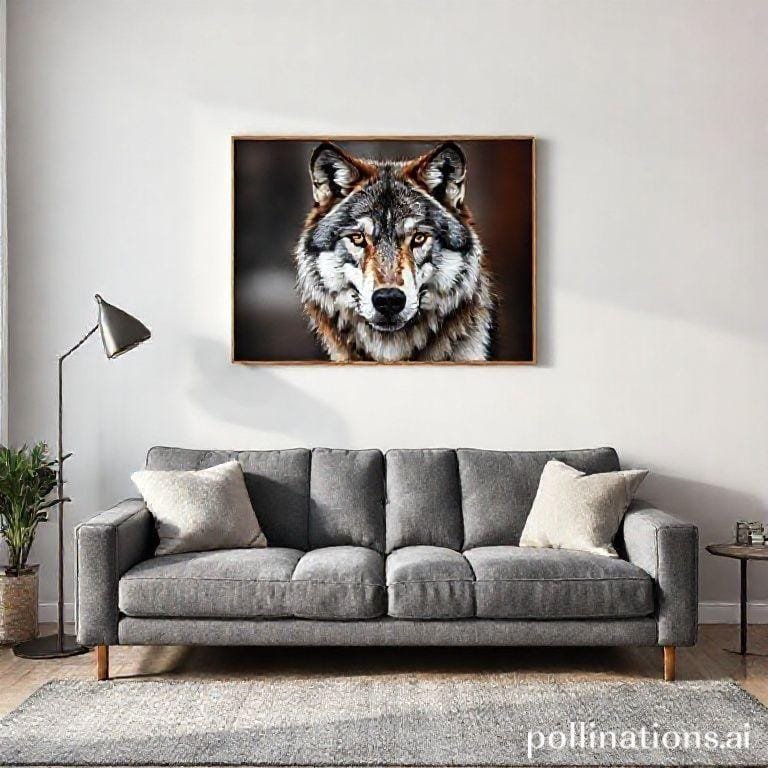
Picking the right wall art isn’t just about the picture or the colors. The most important thing is how big the art is. Think of it like choosing clothes: if the art is too small for a big wall, it will look shy and unimportant, like a kid wearing clothes that are too big. If the art is too large for a small room, it can make the room feel squished and uncomfortable, like wearing a winter coat indoors. But when the size is just right, the art acts like an anchor for a ship. It holds everything in the room together, creates a main point to look at, and makes all your decorations feel connected. It’s the difference between a room that feels carefully planned and one that feels thrown together by accident.
This guide will explain everything about wall art sizes. We’ll talk about common sizes, where to put them, and how size changes the way a room feels. We’ll also look at how to measure your space, pick art for different rooms, and put several pieces together on one wall. By the end, you’ll know how to choose art that fits your space as well as it fits your personality.
Chapter 1: Common Art Sizes and What They Do
First, you need to know the usual sizes. Wall art usually comes in a few standard sizes, and each one has a different job.
Small pieces (like 8×10 inches to 11×14 inches) are like little whispers. They’re perfect for small spaces like a bathroom or a thin hallway. They add a personal touch without shouting for attention.
Medium-sized art (like 16×20 inches or 24×36 inches) is the reliable backbone of wall decor. It’s versatile and strong, like a good friend. This size works well over a sofa or a bed, giving you something solid to look at without taking over the whole room.
Large statement pieces (like 30×40 inches or 36×48 inches) are designed to be the star of the show. They work on big, empty walls in living rooms or dining rooms. As interior expert Jane Smith says,
A large-scale artwork can instantly elevate the drama of a room and create a sense of grandeur that smaller pieces simply cannot achieve.
Extra-large art (48×60 inches or bigger) makes a very bold statement. This is for rooms with high ceilings or very simple designs, where the art itself becomes a major part of the room’s structure. Knowing these categories is your first step to matching the art to the room.
Chapter 2: The Rules of Size and Where to Put It
Once you know the sizes, you need to learn the rules of proportion. The main rule is that the art should relate to the furniture below it. A good guide is to pick art that is between 50% and 75% as wide as the furniture. For example, above a standard sofa, the art should be about half to three-quarters as wide. This links them together visually so the art doesn’t look like it’s floating alone.
How high you hang it is just as important. The middle of the artwork should usually be at eye level, which is about 57 to 60 inches from the floor. When hanging it above furniture, leave a small gap of 6 to 8 inches between the bottom of the frame and the top of the furniture. This space lets both pieces breathe. If you ignore these rules, the art can look lost or make the furniture seem tiny. Measuring and planning this is the key to a result that looks professional.
Chapter 3: Picking Art for Different Rooms
Different rooms need different approaches because they have different jobs and sizes.
- Living Room: The wall above the sofa is prime territory. This is a great spot for one large piece or a group of smaller ones (a gallery wall). The art should cover most of the sofa’s width.
- Bedroom: Above the headboard, a wide, horizontal piece helps create a feeling of calm and steadiness. A set of three connected panels can also work well here.
- Dining Room: Choose art that encourages talk and matches the length of your table. A long horizontal piece or a series of two or three works side-by-side is perfect.
- Home Office: Pick art that inspires you but isn’t distracting. A medium-sized piece you can see from your desk or a small print on a shelf can boost your creativity.
- Hallways and Entryways: These are often narrow, so they are ideal for a vertical line of smaller pieces or a row of family photos that guide you down the hall.
By thinking about what the room is for, you can choose art that makes the space better.
Chapter 4: The Magic of the Gallery Wall
A gallery wall is a lively way to show art, but it needs planning so it doesn’t look messy. The secret is to mix sizes on purpose but keep a unified look. Use small, medium, and maybe one larger piece to create interest. Start by arranging them on the floor first. Play with the layout until it feels balanced. Many people start with a slightly bigger central piece and build around it, making sure the whole group forms a nice shape, like a rectangle.
Keep the space between frames the same (about 2 to 3 inches) to pull the collection together. The frames can be different, but having one thing in common—like all black frames or a theme like animal pictures—helps tie it all together. A good gallery wall tells a story. It can show a collection of beloved animal wall art, mixing pictures of grand wildlife with playful pets to create a personal and interesting focal point that shows your love for animals.
Chapter 5: Measuring Your Space and Seeing It First
Never buy art based on a guess. Measuring is your best tool. For an empty wall, measure its width and height. Remember the furniture rule if you’re filling a specific spot. A great trick is to use painter’s tape to mark the outline of the art’s size right on your wall. This lets you see the true scale and live with the “frame” for a day to see if it feels right.
Another modern tool is augmented reality (AR) apps. Many online stores let you use your phone to see a picture of the art on your wall. This technology has changed how people buy art online. As designer Michael Chen says,
AR tools have bridged the gap between imagination and reality. They eliminate the fear of scale, allowing homeowners to experiment confidently from their couch.
Before you buy something big, especially online, use these tools. They give you great insight and stop the disappointment of getting a piece that doesn’t fit your space.
Chapter 6: More Than Just Size: Style, Borders, and Color
Size is the boss, but it works with a team. The style of the art changes how big it seems. A simple drawing in a big frame can feel light, while a busy photo in a small frame can feel heavy. The matting (the border inside the frame) is a powerful helper. A wide mat can make a small piece of art feel more important and give it a bigger presence on a large wall.
Color and subject matter also play with scale. A piece with bright, strong colors will feel bigger and more powerful than a piece with soft colors of the same actual size. Also, a wide landscape can make a wall seem wider, while a tall picture of something like a giraffe can make a room’s height stand out. When you look at collections, think about how the animal’s pose and the colors will work with your room’s size. A wide safari scene might be perfect for a long wall, while a tall picture of a wolf could be just right for a narrow space.
Choosing the right size wall art is part science and part feeling. It’s about measuring, understanding proportion, and sensing what makes a space come alive. It means respecting your room’s shape while telling your own story. Remember the main ideas: connect the art to your furniture, hang it at the right height, and pick a size that works with your space, not against it. Don’t be scared to use tools like painter’s tape or AR apps to try your ideas. And most importantly, let your art show what you love. Whether it’s one huge picture of a wild horse or a fun gallery wall of dogs, the right-sized art changes a house into a home. It creates beauty, starts conversations, and gives you inspiration every day. So use these tips, apply them to your space, and start the fun journey of finding the piece that fits perfectly—both on your wall and in your heart.