
Your cart is currently empty!
The Ultimate Wall Art Size Guide for Your Space
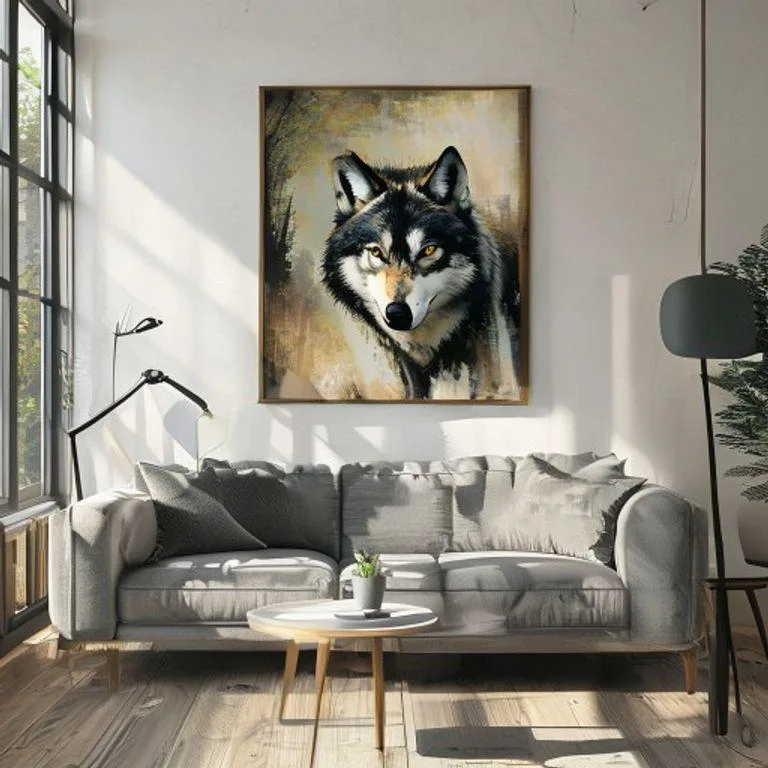
Have you ever loved a piece of art, but when you hung it up, it just didn’t feel right? The colors are great and it matches your stuff, but the whole picture feels off. Most of the time, the problem isn’t the art. It’s the size. Picking the right size for your wall art is a quiet but strong design rule. It can change a room from feeling messy to feeling perfectly put together. It’s the difference between a piece that becomes the center of attention and a small piece that gets swallowed by a big, empty wall.
This guide is your map to understanding the art of size. We’ll move past guessing and give you a clear plan for choosing art that fits your wall and your ideas. Whether you’re decorating a small reading corner with a picture of your pet or making a big display wall in your living room, knowing about size is the first step to a polished look. We’ll explain standard sizes, talk about how size feels in different rooms, and give you easy math to make sure your next art buy fits perfectly. And for those looking for special, animal-themed art made with size in mind, we’ll introduce you to Paw Creativ, where good art meets smart design.
Chapter 1: Understanding Standard Art Sizes & Their Feel
Before we talk about rules for specific rooms, let’s learn about the common sizes for wall art. Each size has its own visual weight and job in decorating a room.
Small (8″ x 10″ to 11″ x 14″): Think of these as the jewelry for your walls. Small pieces are perfect for adding personal touches on skinny walls, in bathrooms, above a bedside table, or on a shelf. A nice 8×10 print of a graceful bird or a playful puppy can add character without taking over a small area. They work really well in groups. As designer Nate Berkus once said,
“The details are not the details. They make the design.”
Small art pieces are those important details.
Medium (16″ x 20″ to 18″ x 24″): This is the reliable, all-purpose size. Medium pieces are big enough to stand alone above a table, desk, or small couch, but not so big they need a huge wall. A strong 18×24 picture of a wolf in a foggy forest or bright, colorful fish can be the main focus in a bedroom or office. This size is great for creating balance without going for a huge statement.
Large (24″ x 36″ to 30″ x 40″): This is where we get into big statement pieces. Large art is made to be the anchor of a room. It’s the piece you arrange your furniture around. It’s perfect for hanging high above a sofa, a bed, or a dining room cabinet. This size fills up visual space and creates excitement. A grand 30×40 scene of wild horses running or a detailed picture of an owl becomes the clear heart of the room. It sets the mood and size for everything else.
Oversized (36″ x 48″ and bigger): These are the show-stoppers. They are for rooms with tall ceilings, very large blank walls, or business spaces. Oversized art makes a building-like impact. It can create a modern, bold style and turn a wall into a masterpiece itself. This isn’t just decoration; it’s an event.
Chapter 2: The Golden Rules: Math for Perfect Placement
Now that you know the sizes, how do you use them? Stop guessing. Professional designers use a few key math rules to make things look good together.
The Furniture Rule: When hanging art above a piece of furniture like a sofa, table, or headboard, the art should be about 50-75% as wide as the furniture. For example, above an 84-inch wide sofa, look for art that is between 42 and 63 inches wide. This makes a connected, stable look, as if the art and furniture are talking to each other. A piece that is too skinny looks shy; one that is too wide can feel heavy.
The Eye-Level Principle: The middle of the artwork should hang about 57 to 60 inches from the floor. This is the average human eye level and creates a comfortable viewing height for most people. This rule is used in museums for a reason—it feels natural and planned. Always measure from the floor to the middle of the piece, not the top of the frame.
Wall Coverage Guidance: For one piece on a blank wall, the art should cover a good amount of the space you see. A good goal is for the artwork to take up 60-75% of the empty wall space (leaving some empty room on all sides). On a wall that is 10 feet wide (120 inches), a piece between 72 and 90 inches wide would look balanced.
Chapter 3: Matching Art Size to Your Room’s Job
Different rooms have different feelings and uses, and your art size should match that.
The Living Room: The Big Stage. This is often the biggest shared space, so it can handle—and often needs—larger art. One big statement piece above the sofa is a classic choice. Or, a gallery wall mixing large, medium, and small pieces can create lively, collected energy. The key is to match the art’s presence to the room’s size. In a huge living room with tall ceilings, one small print will look tiny and unimportant.
The Bedroom: Calm and Personal. Size here should help you relax. A large, wide piece above the headboard (following the 50-75% width rule) can act like a peaceful headboard itself. For a cozier feel, a matching pair of medium-sized pieces or a small, loved group above a dresser works well. The art should feel personal and calming, not too much.
The Dining Room: For Talk & Atmosphere. Art in the dining room sets the mood for meals and parties. A wide, landscape-shaped piece (like a 24×36 or 30×40) above a sideboard can make the space feel bigger and give people something to talk about. Make sure it’s hung high enough that it won’t be hidden by food platters or people sitting at the table.
Hallways & Tight Spaces: The Art of the Walkway. Don’t forget these walk-through areas! A line of smaller to medium-sized pieces in a straight gallery wall can turn a hallway into an interesting art walk. The size should work with the tall, narrow space and not stick out too far. It’s a chance for a neat, in-order display.
Chapter 4: The Power of the Gallery Wall: Mixing Sizes Well
A gallery wall is the best test of balancing size. The magic is in the mix. Combine a few bigger anchor pieces with several medium and small filler pieces. Start by laying out your arrangement on the floor first. Put your largest piece a little off-center as a main focus, then build around it. Keep the space between frames the same (2-3 inches is a good standard) to create unity even with different pieces. The different sizes create a beat and movement, leading your eye across the collection. A gallery wall with a mix of animal photos, plant prints, and abstract animal art in matching frames can tell a rich, visual story.
Chapter 5: Common Size Mistakes & How to Fix Them
Even when you try your best, it’s easy to make size errors. Let’s find and solve the most common ones.
The “Floating Island” Mistake: A tiny piece of art on a huge wall. This makes the art look like you forgot about it and the wall feel even emptier. Solution: Go bigger! Pick a piece that takes up more space, or make a gallery wall to fill the area together.
The “Overcrowded” Mistake: Art that is too wide for the furniture below it or too large for a small room, making the space feel tight and heavy. Solution: Remember the 50-75% furniture width rule. In a small room, choose a few well-placed medium or small pieces instead of one giant one.
The “High & Mighty” Mistake: Hanging art too high, which breaks the link with the furniture and feels strange. Solution: Go back to the 57-60 inch middle rule. Art should connect to the people in the room, not the ceiling.
Chapter 6: Framing & Matting: The Last Tweaks
The frame and mat are not just pretty; they are tools for changing how big something looks. A wide, strong frame can add a few inches to the total size of a piece, making a medium print feel more important. On the other hand, a thin, simple frame or a canvas with no frame lets the image itself decide the size. Matting (the border inside the frame) is very important for smaller works. A wide mat gives a small photo or drawing room to breathe, making it seem more important and stopping it from looking squished. When planning, always think about the final outside size of the framed piece, not just the print size.
Chapter 7: Introducing Paw Creativ: Art Made with Size in Mind
Figuring out size can be hard, but it becomes fun when you start with art that is made on purpose. This is where Paw Creativ is great. We focus on unique, animal-themed wall art and home decor that is not only beautiful but also designed thinking about the rules of size and placement.
Our collections have a carefully chosen range of sizes, from cozy small canvases perfect for a bookshelf to grand, statement-making pieces meant for above your fireplace. Each piece, whether it’s a majestic wolf howling at the moon, a calm close-up of an owl, or a fun geometric fox, comes in multiple size choices. We give you detailed measurements for every product, taking the guesswork out of your buy. You can shop knowing that the amazing picture of a running horse or the detailed pattern of a house cat will arrive in the perfect size for your space. Look through our gallery at pawcreativ.com and find art that fits your wall as perfectly as it captures your heart.
Chapter 8: Your Action Plan: From Measuring to Hanging
Let’s put this all into a simple, step-by-step plan for your next art buy.
- Measure Your Wall Space: Use a tape measure to get the exact width and height of the wall area you want to fill. Write down the size of any important furniture below it.
- Use the Rules: Use the 50-75% furniture rule and the 60-75% wall coverage rule to figure out your perfect art width range.
- Make a Fake Version: Before buying, make a template. Use painter’s tape to mark the exact size of the possible artwork on your wall. Live with the tape outline for a day. Does it feel right?
- Think About the Room’s Mood: Is this a space for energy (go larger/bolder) or relaxation (think about calm mediums or pairs)?
- Order with Confidence: When you find the perfect piece—like one from Paw Creativ’s thoughtfully sized collection—order it knowing the size is right.
- Hang with Care: Measure for the 57-inch middle point, use the right picture-hanging tools, and step back to enjoy your perfectly sized new focus point.
Learning the size of your wall art is one of the most changing skills in home decor. It moves your space from looking “decorated” to feeling “designed.” It gives balance, creates purpose, and makes sure the art you love has the effect it should. By understanding standard sizes, using simple math rules, and thinking about the special character of each room, you can make choices that improve your space a lot. Remember, great design is often about the relationship between things and where they are. Your walls are a canvas, and the art you choose is the masterpiece. Don’t be scared to go bold, to fill empty space, and to let your personality show in the size you pick. For art that is made with this thoughtful design idea, explore the animal-inspired world of Paw Creativ, where every piece is an invitation to make a home that is uniquely and perfectly yours.