
Your cart is currently empty!
Transform Small Spaces with Wall Art Magic
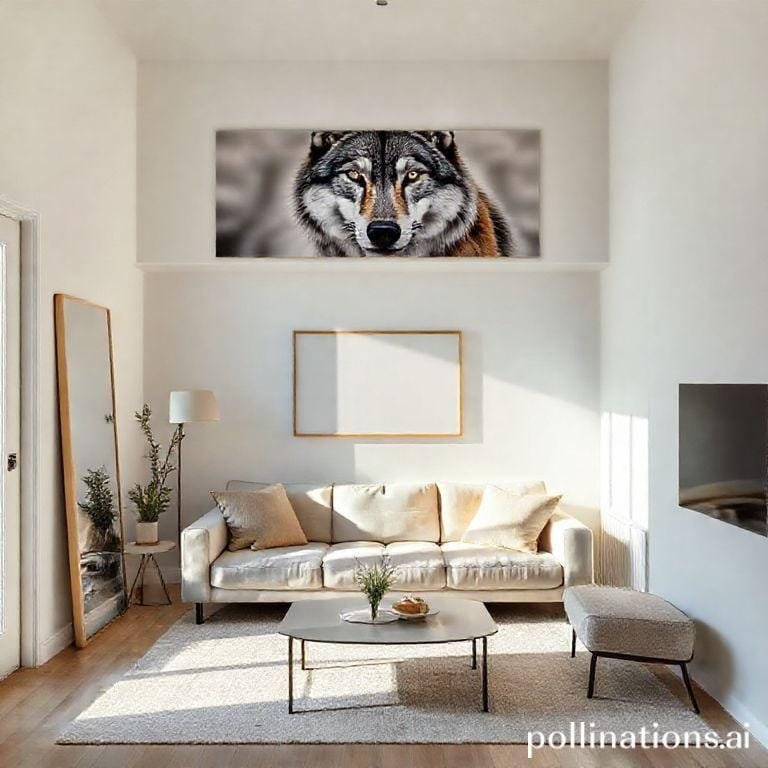
Living in a small space doesn’t mean you have to give up style or personality. Think of it like packing a suitcase—you can fit everything you need if you arrange it thoughtfully. Small rooms offer special chances to create personal, carefully chosen environments that feel both snug and roomy. The key is placing wall art in smart ways that play tricks on your eyes and make spaces seem larger. When done right, art becomes your best tool for changing tight spaces into beautiful retreats.
Many people worry about decorating small areas, afraid that artwork will make rooms feel crowded or too busy. But the truth is often the opposite—carefully selected and placed wall art can actually make compact spaces look bigger, brighter, and more purposeful. The secret is understanding how size, color, placement, and subject matter work together to change how we see space.
In this guide, we’ll explore professional methods used by interior designers to make the most of small spaces through wall art. From creating focus points that draw your eyes upward to using mirrors and light-catching pieces, you’ll learn how to make every bit of space count. We’ll also introduce you to Paw Creativ’s specially chosen collection of animal-themed wall art, designed to bring warmth and depth to small living areas.
The Psychology of Size and Proportion
Understanding size is essential when decorating small spaces with wall art. Many people choose pieces that are too small, thinking they’ll save space, but this actually creates visual mess and makes walls feel crowded. Instead, try picking one or two larger statement pieces that grab attention without overpowering the room.
Research shows that a single large piece of art can make a room feel more spacious than several small pieces. As spatial design expert Dr. Elena Martinez explains:
“A strong focus point gives your eyes a place to rest and creates the feeling of depth, while many small pieces scatter your attention and can make walls feel closer.”
When looking at Paw Creativ’s collection, search for pieces that measure about two-thirds to three-quarters the width of your wall or furniture below it. For example, above a narrow table in an entryway, choose a print that covers most of the wall’s width but leaves empty space on both sides. Our “Majestic Wolf Panorama” or “Graceful Heron Reflection” pieces work perfectly for this, creating striking focus points that draw your eyes across the space.
Proportion also applies to frame selection. In small spaces, thin, simple frames or frameless canvas wraps usually work better than heavy, decorative frames that can visually weigh down walls. Consider using floating shelves instead of traditional hanging methods, letting art feel more connected to the space rather than forcing itself upon it.
Color Strategies for Making Space Feel Larger
Color psychology plays an important role in how we see space. Light, cool colors tend to move backward, making walls appear farther away, while dark, warm colors move forward, bringing surfaces closer. When choosing wall art for small spaces, consider pieces that include light backgrounds, cool tones, and airy views.
Studies show that rooms with light-colored artwork are seen as 10-15% larger than identical spaces with dark artwork. This doesn’t mean you must avoid color completely—instead, use color strategically to create depth and movement.
Paw Creativ’s “Arctic Fox in Snow” or “Dolphin Ocean Dreams” pieces show this approach well, featuring light color schemes that open up spaces while keeping visual interest. You might also consider artwork with gradual color changes that move from darker tones at the bottom to lighter tones at the top, copying the natural horizon and creating an upward lift.
Single-color schemes can also work well in small spaces. Choose artwork that fits within a limited color range that matches your room’s existing colors. This creates visual flow that makes spaces feel more connected and therefore larger. Our organized collections at Paw Creativ are grouped by color family, making it easy to find pieces that improve your space’s color story.
Smart Placement and Hanging Height
Where and how you hang artwork greatly affects how we see space. The usual rule of hanging art at eye level often needs changing in small spaces, where the goal is to draw your eyes upward and create vertical emphasis.
In rooms with normal ceiling heights, consider hanging artwork a bit higher than usual—about 6-8 inches above furniture rather than the standard 4-6 inches. This creates the illusion of higher ceilings and more vertical space. For particularly low ceilings, creating a vertical gallery wall that leads your eyes upward can work wonders.
As interior designer Michael Chen notes:
“In compact spaces, we use artwork to create deliberate sight lines that guide movement and perception. A strategically placed piece can make a narrow hallway feel like a curated gallery rather than a tight passageway.”
Consider the sight lines from different entry points into the room. Place artwork where it will be seen first when entering, creating an immediate impression of depth. In square rooms, position an interesting piece on the wall opposite the main entrance to draw your eyes through the space. Paw Creativ’s animal portraits with direct eye contact, like “Wise Owl Guardian” or “Curious Fox Encounter,” work especially well for this technique, as they create an engaging focus point that captures attention.
Creating Depth with Subject Matter
The content of your wall art can significantly influence how we see space. Pieces that suggest depth, distance, or open environments can make walls seem to move back, effectively “pushing” boundaries away.
Landscape-oriented artwork with vanishing points, airy perspective, or receding lines creates natural depth clues that trick your brain into seeing more space. Animal artwork that shows creatures in their natural homes—particularly scenes with open skies, distant horizons, or layered landscapes—can be especially effective.
Paw Creativ’s “Wild Horse Prairie Sunset” or “Eagle Mountain Vista” pieces demonstrate this approach well, featuring animals in expansive environments that suggest vast spaces beyond your walls. Even in abstract animal art, look for pieces that include depth through layering, transparency, or graduated color fields.
Avoid artwork with busy, chaotic patterns or subjects that feel confined, as these can make spaces feel cluttered and restrictive. Instead, choose compositions with clear focus points and breathing room around the main subject. Our design team at Paw Creativ specifically selects pieces that balance detailed animal portraits with plenty of empty space, ensuring they improve rather than overwhelm compact rooms.
The Magic of Mirrors and Reflective Elements
While not traditional wall art, mirrors work as decorative elements that can dramatically expand small spaces when included thoughtfully alongside artwork. The reflective surfaces bounce light around the room and create the illusion of additional space beyond the wall.
Consider positioning a mirror opposite a window to maximize natural light reflection, or place one next to artwork to create visual conversation between the pieces. Framed mirrors with artistic elements can function as hybrid art pieces themselves.
At Paw Creativ, we’re exploring including subtle reflective elements into some of our art pieces—metallic accents that catch light without being too strong. These pieces provide the spatial benefits of reflection while keeping their main function as beautiful animal art.
When grouping mirrors with artwork, maintain consistent framing styles or color schemes to create a unified gallery effect. A vertical arrangement of a mirror surrounded by two narrower art pieces can make a narrow wall feel more substantial and balanced.
Gallery Walls That Expand Rather Than Crowd
Gallery walls often get a bad reputation in small spaces, but when done strategically, they can actually improve spatial perception. The key is creating deliberate arrangements that guide the eye and tell a connected story.
Instead of scattering small pieces randomly, create a tight grid or salon-style arrangement that reads as one large element. Keep consistent spacing between pieces—typically 2-3 inches—and consider using frames of the same color or style to create visual unity.
For small spaces, vertical gallery walls work particularly well, drawing your eyes upward and emphasizing height. Create a column of 3-5 pieces on a narrow wall, or frame a doorway with symmetrical arrangements. Paw Creativ’s themed collections, like our “Woodland Creatures” or “Ocean Guardians” series, are perfect for creating unified gallery walls that tell a visual story without visual chaos.
Remember to leave enough blank wall space around your gallery arrangement. As a general rule, the gallery should take up no more than 60-70% of the available wall space, with breathing room on all sides to prevent a cramped feeling.
Lighting Techniques to Improve Art and Space
Proper lighting can transform how wall art affects a small space. Strategic lighting not only highlights your artwork but also changes spatial perception through shadow and highlight.
Picture lights mounted above artwork create pools of light that make pieces appear to float slightly away from the wall, creating depth. Track lighting or spotlights can be directed to graze across textured artwork, emphasizing dimension and drawing attention to specific areas of the composition.
Consider the color temperature of your lighting—warmer tones create cozy, intimate atmospheres, while cooler tones feel more expansive and airy. In very small spaces, cooler lighting combined with light-colored artwork can create a bright, open feeling.
At Paw Creativ, we consider how our pieces will interact with different lighting conditions. Our matte finishes reduce glare, while our canvas textures catch light in ways that add dimension without overwhelming small spaces.
Rotation and Seasonal Changes
One often overlooked strategy for small spaces is rotating artwork seasonally or periodically. This approach keeps your space feeling fresh and dynamic without requiring additional square footage or permanent changes.
Create a small collection of pieces that work well in your space, then swap them out every few months. This not only keeps your environment feeling new but also lets you experiment with different spatial effects. A light, airy piece might work well in summer, while something cozier and more intimate might suit winter months.
Paw Creativ’s subscription service makes rotation easy, delivering new animal-themed art to your door seasonally. This approach lets you enjoy variety without committing valuable storage space to artwork you’re not currently displaying.
Consider creating a “rotation gallery”—a designated wall space where you regularly feature different pieces from your collection. This creates anticipation and freshness in your small space, making it feel dynamic and evolving rather than static and confined.
Changing small spaces with wall art requires thoughtful consideration of scale, color, placement, and content. By applying these professional techniques, you can make compact areas feel more expansive, intentional, and personally meaningful. Remember that the goal isn’t to hide your space’s size but to enhance its unique qualities through strategic decoration.
Wall art serves as both beauty enhancement and spatial tool when selected and placed with purpose. The techniques we’ve explored—from strategic scaling to lighting considerations—work together to change perception and maximize your square footage. Most importantly, your wall art should reflect your personality and bring you joy, regardless of your space’s size.
At Paw Creativ, we specialize in creating animal-themed wall art that brings warmth, personality, and spatial intelligence to compact living environments. Our pieces are designed with these principles in mind, offering beautiful solutions that enhance rather than overwhelm. Visit our collection to discover how the right artwork can transform your small space into a sanctuary that feels both cozy and expansive.
Whether you’re decorating a studio apartment, a compact home office, or a cozy reading nook, remember that limitations often inspire the most creative solutions. Embrace your space’s unique challenges as opportunities to curate an environment that truly reflects your style and improves your daily life through the power of thoughtful wall art.