
Your cart is currently empty!
Transform Small Spaces with Wall Art Magic
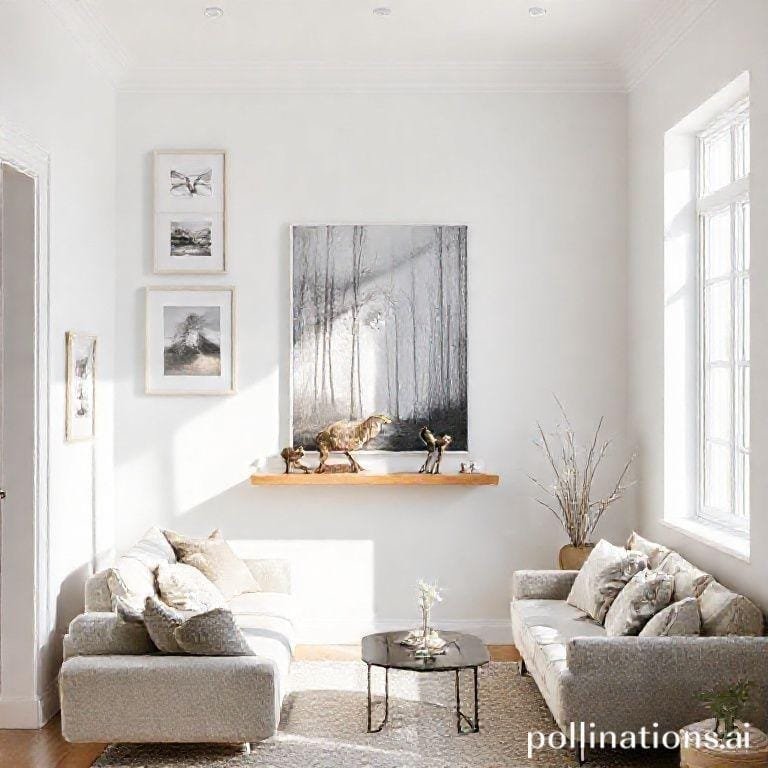
Living in a small space doesn’t mean you have to give up style or personality. Think of it like packing for a trip—you learn to choose only what truly matters. Small rooms are like treasure chests where every item has special meaning. Using wall art wisely can change how a room feels, turning tight spaces into cozy, welcoming areas. With the right approach, you can make limitations work in your favor.
This guide will show you proven ways to use wall art to improve small spaces. We’ll cover everything from color choices and where to place art to visual tricks and pieces that do double duty. You’ll learn how to pick artwork that fits your space while making it seem roomier. Whether you have a tiny apartment, a small office, or just want to make the most of your current space, these wall art ideas will help create an open, airy feeling.
The Psychology of Scale and Perception
Understanding how we see space is key to making small areas feel bigger. Our brains are like cameras constantly taking in information about depth and size. By using wall art to play with these visual cues, we can create optical illusions that stretch space. Large artwork acts like a window, drawing your eyes up and out, making ceilings seem higher and walls feel farther apart than they really are.
Research shows that vertical elements make spaces feel taller, while horizontal elements can widen a room. A study published in the Journal of Environmental Psychology found that:
“vertical stripes can increase perceived ceiling height by up to 10%”
when used strategically. You don’t need to paint stripes on your walls—vertical artwork or gallery walls arranged in tall columns can achieve similar effects.
The idea of “visual weight” also matters greatly. Dark, heavy-looking artwork can make walls feel like they’re closing in, while lighter pieces with plenty of empty space create breathing room. Think of artwork with soft edges, pale backgrounds, and simple frames to reduce visual density. The goal is to guide the eye smoothly around the room without creating visual “stops” that highlight boundaries.
Color temperature affects how we see space too. Cool colors like blues, greens, and grays tend to step back, making walls appear farther away. Warm colors move toward you, which can make surfaces feel closer. This is why many designers suggest cooler colors for small spaces. However, this doesn’t mean you should completely avoid warm colors—placing warmer artwork strategically can create focus points that draw attention away from space limits.
Strategic Placement and Hanging Techniques
Where and how you hang artwork greatly impacts how spacious a room feels. The golden rule for small spaces is to create sightlines that reach beyond the room’s actual boundaries. Hanging artwork at eye level might work in regular rooms, but in compact spaces, you often need to think differently about placement to maximize the feeling of space.
One effective method is to hang larger pieces higher on the wall, pulling the eye upward and making ceilings appear taller. Leave some empty wall space below the artwork to create a sense of vertical expansion. For particularly low ceilings, consider creating a vertical gallery wall that stretches from furniture height to near the ceiling line. This creates a strong vertical element that emphasizes height over width.
Corners often feel tight in small rooms, but they offer great chances for spatial expansion. Placing artwork in corners, especially pieces with depth or landscape scenes, can make the corner appear to fade away. Diptychs or triptychs that wrap around corners work especially well for this purpose. The artwork essentially “borrows” visual space from the imaginary extension of the scene.
Don’t forget the power of reflective surfaces in artwork. Pieces with metallic elements, glossy finishes, or mirror-like qualities can bounce light around the room, creating brightness and the illusion of depth. While actual mirrors are great for expanding space, art that includes reflective elements achieves similar effects while keeping artistic value.
The spacing between multiple artwork pieces also matters. In small spaces, clustering artwork too tightly can create visual clutter. Instead, keep consistent, generous spacing between pieces to allow each work to “breathe.” This approach makes the wall feel more organized and spacious than a crowded arrangement would.
Color and Contrast Considerations
Choosing colors in wall art for small spaces needs careful thought about both the artwork’s palette and how it interacts with your wall color. The relationship between artwork and background can either squeeze or stretch perceived space. High contrast between art and wall color tends to highlight boundaries, while low contrast creates a more seamless, expansive look.
For maximum spatial effect, consider artwork that shares colors with your walls or furniture. This creates visual continuity that makes the space feel more connected and therefore larger. If your walls are light, choose artwork with similar light backgrounds rather than pieces with dark mats or frames that create strong visual breaks.
Monochromatic artwork can be particularly effective in small spaces. Pieces that use variations of a single color create calm, unified visual fields that don’t chop up the wall space. This doesn’t mean the art must be boring—texture, pattern, and subtle value changes within a single color family can create interesting visual appeal without spatial compression.
When you do want to include bold colors, placement becomes even more important. A single vibrant piece placed strategically can draw attention away from room limitations and toward the artwork itself. The focus point effect can make viewers less aware of tight dimensions. Think of it as misdirection—the artwork becomes so engaging that space constraints become secondary.
Consider the psychological effects of color beyond just spatial perception. Blues and greens tend to be calming, which can make time spent in small spaces more comfortable. Yellows can create cheerfulness that distracts from confinement. Understanding both the spatial and emotional impacts of color will help you select artwork that makes small rooms feel both larger and more pleasant.
Choosing the Right Artwork Subjects
The subject matter of your wall art can significantly influence how spacious a room feels. Certain types of images naturally suggest openness and depth, while others emphasize boundaries and enclosure. When selecting artwork for small spaces, prioritize subjects that create a sense of openness and possibility.
Landscape and seascape artwork are excellent choices because they naturally show vast spaces. A beautiful ocean scene or mountain view can mentally transport viewers beyond the room’s physical limits. The horizon line in such pieces creates a powerful depth cue that makes walls seem to fade away. Even abstract works that suggest landscape elements through color fields or implied horizons can achieve similar effects.
Artwork with strong perspective lines can create remarkable spatial illusions. Pieces that feature roads, hallways, or architectural elements with converging lines draw the eye into the distance. This visual journey makes the wall appear to contain depth rather than being a flat surface. The brain processes these perspective cues as evidence of space extending beyond what’s physically present.
Avoid artwork with subjects that emphasize boundaries or confinement. Pieces featuring tight close-ups, enclosed spaces, or subjects that appear constrained can unconsciously reinforce feelings of limited space. Instead, choose artwork with open compositions, negative space, and subjects that appear free and unlimited.
Abstract art offers unique opportunities for spatial manipulation. The right abstract piece can suggest depth and movement without representing specific objects. Look for abstracts with layered elements that create visual depth, or pieces with flowing lines that guide the eye around the composition. The openness of abstract art allows viewers to imagine their own sense of space in the work.
Framing and Presentation Strategies
How you frame and present artwork dramatically affects its spatial impact. The wrong framing can make even the most spacious-feeling artwork add to visual clutter, while the right presentation can enhance the illusion of depth and openness. In small spaces, every framing decision should support the goal of spatial expansion.
Floating frames or shadow box frames create depth between the artwork and the wall, adding a subtle dimensional element that makes walls feel less flat. This shallow depth creates interesting light and shadow play that suggests more space than actually exists. For canvas pieces, consider displaying them without frames to maintain clean lines and minimize visual interruption.
The color and thickness of frames matter significantly. In small spaces, thin, light-colored frames or frames that match the wall color tend to disappear visually, making the artwork feel like part of the wall rather than an addition to it. Dark, heavy frames create strong boundaries that can make walls feel closer. If you prefer statement frames, use them sparingly as focus points rather than throughout the room.
Matting choices also influence spatial perception. Multiple mats or extra-wide mats can make artwork feel more substantial without increasing its visual weight. A generously matted piece creates breathing room around the image itself, which translates to a sense of spaciousness. When selecting mat colors, choose options that either match your walls or provide a gentle transition between wall and artwork.
Consider unconventional presentation methods that enhance spatial effects. Hanging artwork with invisible wires or using ledge shelves creates a floating effect that feels light and airy. Cluster frames on shelves rather than hanging them directly on walls to create depth layers. These approaches break up flat wall surfaces in ways that suggest dimensionality.
Creating Cohesive Gallery Walls
Gallery walls in small spaces need careful planning to avoid visual chaos while maximizing spatial benefits. A well-executed gallery arrangement can become a focus point that distracts from room limitations, while a poorly planned one can emphasize clutter and confinement. The key is creating visual harmony that guides the eye smoothly across the arrangement.
Start by establishing a consistent element throughout your gallery—this could be frame style, color palette, or subject matter. Consistency creates visual rhythm that makes the collection feel intentional rather than random. In small spaces, too much variety can feel overwhelming, while coordinated elements create calm organization that suggests spaciousness.
Consider the overall shape of your gallery wall. Vertical arrangements emphasize height, horizontal arrangements emphasize width, and grid patterns create orderly expansion. For most small spaces, vertical or columnar arrangements work best because they draw the eye upward, making ceilings appear higher. Leave some empty wall space around the gallery to prevent it from feeling cramped.
The spacing between pieces in a gallery wall significantly impacts its spatial effect. While standard spacing recommendations suggest 2-3 inches between frames, in small spaces, you might benefit from slightly more generous spacing. This creates breathing room that makes the wall feel less crowded. Consistent spacing creates visual rhythm that feels organized and spacious.
Include variety in size and orientation within your gallery to create visual interest without chaos. A mix of vertical and horizontal pieces prevents monotony, while varying sizes create dynamic movement. The largest piece should establish a visual anchor, with smaller pieces complementing rather than competing. This hierarchy helps viewers process the arrangement quickly, reducing visual stress that can make spaces feel smaller.
Incorporating Multi-Functional Art Pieces
In small spaces, every element should ideally serve multiple purposes, and wall art is no exception. Multi-functional artwork not only improves your decor but also addresses practical needs, reducing clutter that can make spaces feel cramped. These innovative pieces maximize both aesthetic appeal and functionality.
Consider artwork that includes storage solutions. Floating shelves with integrated artwork, shadow boxes that display both art and small items, or framed pieces with hidden compartments can reduce surface clutter while adding visual interest. When everyday items become part of your decor, you maintain open surfaces that contribute to a spacious feel.
Artwork that serves as room dividers can be particularly valuable in studio apartments or open-plan small spaces. Large, freestanding pieces or hanging textiles with artistic designs can subtly define areas without building physical walls that compress space. The partial transparency of these dividers maintains visual connections between areas, preserving the sense of overall space.
Don’t overlook practical artwork like decorative clocks, mirrors with artistic frames, or thermometers and barometers with beautiful designs. These pieces serve functional purposes while contributing to your decor. When practical items are beautiful, you need fewer purely decorative pieces, reducing visual clutter.
Consider artwork that includes lighting elements. Backlit pieces, artwork with integrated LED strips, or pieces designed to work with specific lighting can enhance both ambiance and functionality. Proper lighting is crucial in small spaces, and artwork that contributes to illumination serves dual purposes while creating visual depth through light and shadow play.
Seasonal and Rotational Strategies
One of the most effective ways to keep small spaces feeling fresh and expansive is to rotate your artwork seasonally or periodically. This approach prevents visual fatigue that can make familiar spaces feel increasingly confined over time. The simple act of changing artwork can completely transform how a room feels without any structural changes.
Create a collection of artwork that you can rotate based on season, mood, or occasion. Lighter, brighter pieces with cool colors might work well in summer, while richer, warmer pieces could feel cozier in winter. This seasonal alignment not only keeps your space feeling current but also plays with color psychology to enhance comfort in small quarters.
Consider creating artwork storage solutions that are themselves decorative. A beautiful portfolio case leaning against a wall or an attractive chest containing rolled posters can become part of your decor while keeping rotation options accessible. When your storage solutions are attractive, they don’t contribute to visual clutter.
Digital frames offer incredible flexibility for small spaces. A single digital frame can display thousands of different artworks, allowing you to change the look of your room instantly. Many digital frames now feature museum-quality displays that rival traditional artwork. This approach eliminates the need for physical storage while providing endless variety.
Document your most effective arrangements with photos so you can recreate them easily. Notice which pieces and arrangements make your space feel most expansive, and develop a rotation schedule that maximizes these effects throughout the year. This systematic approach ensures your small space always feels optimally spacious.
Transforming small spaces with wall art requires thoughtful selection, strategic placement, and creative presentation. By understanding spatial perception principles and applying them through your artwork choices, you can create environments that feel significantly larger and more inviting than their physical dimensions suggest. The key is to guide the eye, suggest depth, and maintain visual calm through coordinated elements.
Remember that the most successful small-space art strategies often involve breaking conventional rules. Hanging artwork higher than standard eye level, using larger pieces than typically recommended, and creating strong vertical elements can all contribute to spatial expansion. Trust your perception—if an arrangement makes the room feel more open, it’s working regardless of whether it follows traditional design guidelines.
At Paw Creativ, we specialize in animal-themed wall art that brings warmth and personality to any space. Our carefully curated collection includes pieces specifically designed to enhance small spaces through strategic color palettes, subject matter, and composition. From expansive wildlife landscapes to minimalist animal portraits, our artwork can help you create the spacious, inviting environment you desire. Visit us at pawcreativ.com to discover pieces that will transform your compact area into a beautifully expanded sanctuary.