
Your cart is currently empty!
Transform Your Small Space with Wall Art Illusions
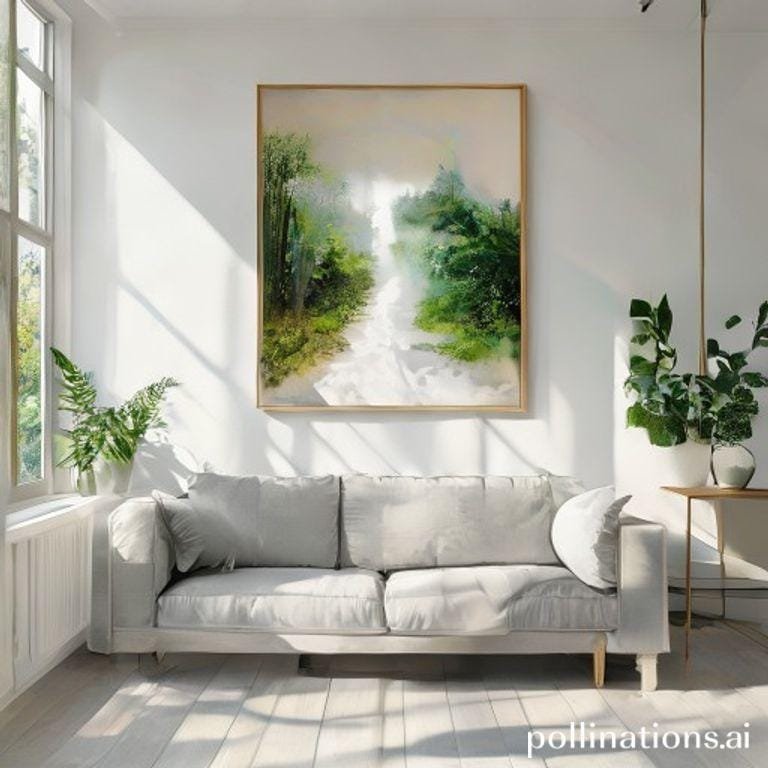
Do you ever feel like your comfortable apartment, small home office, or little entryway is starting to feel tight? You are not the only one. In many cities today, living in small spaces is common. But what if the walls could actually help you make the space feel bigger? The answer is not in expensive changes to your home, but in the smart use of wall art. With the right pictures, where you put them, and how you look at them, you can change how a room feels. You can create a sense of open air and personal style. This guide will show you the designer secrets that make small areas feel bigger, welcoming, and special—all through the amazing power of art on your walls.
The Mind and How We See Space
Before we hang anything, we need to know the reason behind the method. How we see space is deeply connected to our mind. Designers and scientists have studied for a long time how what we see changes our feeling of a room’s size. It is less about the actual measurements and more about how those measurements are shown to our eyes and brain.
Important ideas include:
- Visual Weight: Think of art like objects. Dark, busy, or complicated pictures feel ‘heavy’ and can make a wall seem closer. Light, simple, and open pictures feel ‘light’ and push the walls away.
- Sight Lines and Focal Points: Art that pulls your eye to one spot in the distance can create a feeling of depth. On the other hand, walls covered with many things and no clear point to look at can make a space feel messy and boxed in.
- Color and Light Reflection: Lighter colors bounce more light around, making a room feel brighter and larger. This idea works directly with the art you choose.
“The manipulation of visual boundaries through art and decor is a non-structural method of altering spatial perception, with effects that are both immediate and profound.”
By learning these ideas, your wall art becomes a tool for a kind of magic trick on your room’s shape.
Picking the Right Size: Think Big or Think Smart
The most frequent error in a small space is using art that is too small. A little picture on a big wall only highlights the empty space around it. This makes the wall feel bigger and the art feel unimportant. The surprising but strong solution? Choose larger art.
One big piece can act as a strong center of attention. It gives your eye one complete thing to look at, which cuts down on visual mess. For example, a large, simple painting of a calm forest path or a wide ocean view can create a ‘window’ to another world. This effectively stretches the room’s edges.
If one huge piece does not work, think about a smart gallery wall. The key is unity. Use frames of the same color and style. Arrange them in a neat, organized grid or a balanced pattern. This creates one solid visual block that acts like one big item, instead of many small, separate ones. A curated collection, for instance, offers matching sets—like three plant prints that go together or a group of simple animal outlines. These are made to work as a team, making it easy to create a united gallery look.
The Magic of Color: Light, Bright, and Unified
Color is your strongest tool for changing how space feels. For small areas, the top rule is to choose light and neutral backgrounds in your art. Whites, creams, soft grays, pale blues, and gentle greens seem to move back visually. This makes walls feel further away. They also reflect light from lamps or windows, brightening the whole room.
This does not mean your art has to be plain! Add color through the main subject. A bright flower on a white background, or a grand animal picture against a soft, light sky, gives a nice spot of interest without taking over the space. The goal is a smooth flow. Let the main colors in your art quietly match accents in other parts of the room—like a pillow, a vase, or a rug. This creates a pleasant visual flow that feels planned and open, not broken up and closed in.
Color schemes using one main color or similar tones are very effective. A set of prints in different shades of blue and gray, for example, creates a stylish, layered look that feels open and peaceful. Some art collections often feature these careful color plans, making it simple to find pieces that support a light, airy feeling.
Creating Depth with Subject and Viewpoint
Wall art can actually add a feeling of a third dimension. Pick subjects that suggest distance, far-off points, and open views.
- Landscapes and Seascapes: A photo of a curving road, a long walkway going into water, or mountains fading into mist pulls your sight into the distance. This creates an illusion of depth on a flat wall.
- Architectural Elements: Prints showing long hallways, rows of arches, or sunny windowsills use lines to trick your eye into seeing past the wall.
- Minimalist Abstracts: Simple designs with layered, soft, or fading colors can also suggest depth and motion.
Avoid art where the subject feels very close up in a tight space, as it can have the opposite effect. Instead, look for pieces that ask you to look through them. A beautiful example is a “Horizon Line” series, where the line between sky and water creates a limitless feeling. This is perfect for a narrow hallway or a small living room.
Smart Placement and Height
Where and how you hang your art is just as important as what you hang. The old rule of hanging art at eye level is a good beginning, but to make space feel bigger, we need to think up and down.
- Lead the Eye Upward: Putting art higher on the wall—or using a tall arrangement from floor to ceiling—draws attention up. This highlights the room’s height and makes it feel taller. In a room with low ceilings, a tall, vertical piece of art can create a strong illusion of height.
- Create Balance in Narrow Spaces: In a tight hallway, think about a straight line of pieces along one long wall. This guides the flow of movement and makes the hallway feel like a planned gallery, not a squeezed-in path.
- Furniture Alignment: When hanging art above a sofa or table, the piece should be about two-thirds the width of the furniture below it. This creates a balanced, proper look. It makes the area feel like one connected, spacious spot instead of separate pieces.
The Strength of Mirrors and Shiny Art
While not standard ‘prints,’ mirrors are the best space-expanding trick. They can be artistic center points themselves. A nicely framed mirror reflects both light and the room, effectively doubling what you see. Put a mirror across from a window to get the most light, or at the end of a hallway to create a view that seems to go on forever.
For a gentler method, look for art with metallic details, shiny surfaces, or subjects that naturally reflect light, like water or glass. These parts catch and bounce light around the room, helping to create a brighter, more open feeling. Putting a sleek, framed mirror with a group of non-shiny prints can add both depth and light to a difficult corner.
Less is More: Choosing a Tidy Area
In a small area, every object matters. The goal of using wall art to make your space bigger is lost if the tables and floors below are messy. The art should be a careful choice, not part of the clutter.
Use a thoughtful, selective approach. Pick one or two important pieces for a wall instead of covering every bit of it. Allow for ‘breathing room’ or empty space around your art. This empty space is not wasted; it is a key design part. It makes the art stand out and gives your eye a place to pause. This makes the whole area feel less packed and more calm.
This idea of purposeful beauty is central to some collections. Each piece is made to stand alone or work with others. This helps you build a home that feels open, peaceful, and personal, not stuffed and too full.
Changing a small space is not about struggling with its limits, but creatively enjoying what it can be. By using wall art as a smart tool—choosing size, using light colors, creating depth, and placing pieces with care—you can build an illusion of openness that feels both real and exciting. It turns limits into reasons for creativity. Remember, a well-chosen piece of art does more than cover a blank wall; it creates a mood, tells a story, and changes the very feeling of your home. For those wanting to start this change, looking at a selected collection can give the perfect start. Find prints made with harmony, size, and light in mind. Start seeing your walls not as borders, but as doors to a more open and beautiful living experience.