
Your cart is currently empty!
Wall Art Tricks to Expand Your Small Space
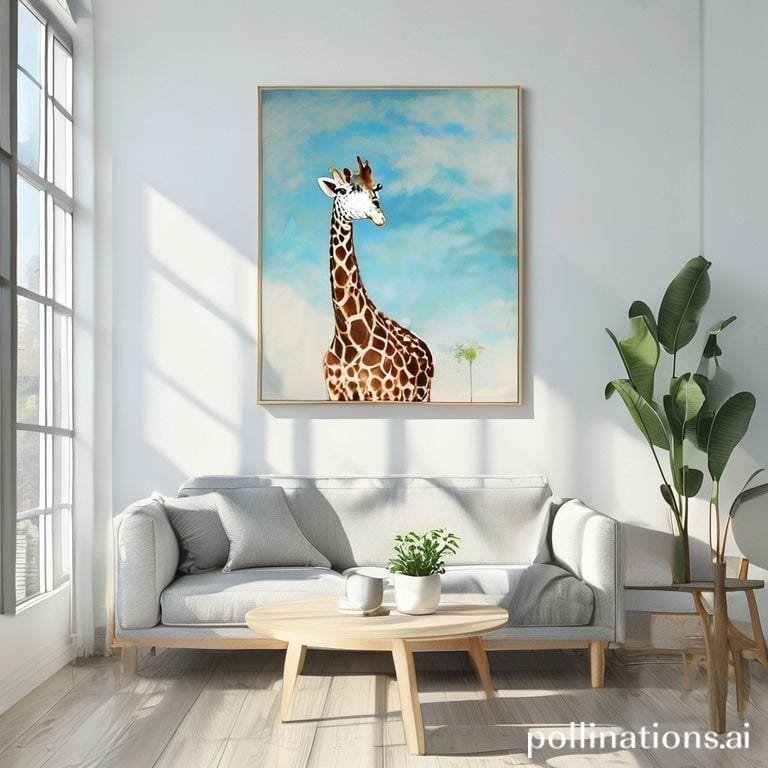
Living in a small home doesn’t mean you have to give up style. In fact, tiny rooms are like blank canvases waiting for your creative touch. The right wall art can change a tight space into one that feels open and free, using visual tricks that play with your eyes and lift your mood. As homes in cities get smaller everywhere, learning these visual skills has become key to making comfortable, beautiful places that feel bigger than they really are.
At Paw Creativ, we know the puzzle and the promise of decorating small spaces. Our collection of animal wall art is not just about adding pretty pictures—it’s about using smart design ideas to improve your daily life. Whether you’re fixing up a studio apartment, a snug bedroom, or a tiny home office, the right artwork can create a sense of depth, pull your gaze up, and create center points that make your area feel carefully planned, not just small.
This guide will walk you through six strong wall art tricks made for small spaces. We’ll look at the mind science of how we see things, practical ways to hang art, and how to pick pieces that are both decorative and space-stretching. From making rooms seem taller to using color wisely, you’ll learn how to make every bit of your home feel more roomy and welcoming through smart art placement.
Make Rooms Feel Taller with Vertical Art
One of the best ways to make a small space feel larger is to guide the eye upward, like following a tall tree to the sky. When you hang art that stresses vertical lines or has tall, skinny layouts, you create the feeling of higher ceilings and more open vertical room. This trick works especially well in rooms with standard eight-foot ceilings that can feel like a closed box.
Think about choosing art with strong upright parts—like tall trees, stretched-out animal shapes, or abstract pieces with upward motion. At Paw Creativ, our Majestic Giraffe series is a perfect example of this idea. The natural height and elegant lines of giraffes naturally pull your eyes up, creating visual interest that reaches past the real edges of your walls. When hung correctly, these pieces can make your ceiling look several inches higher than it truly is.
How you hang the art matters just as much as which art you pick. For the biggest vertical effect, hang your artwork a little higher than eye level—usually 6-8 inches above furniture or 57-60 inches from the floor to the middle of the piece. This placement asks people to look up, strengthening the tall illusion. Don’t group many small pieces at eye level, which can make walls feel packed. Instead, choose one or two standout pieces that grab attention and create an upward visual flow.
Studies in how people react to spaces back up this method. Research found that rooms with visual cues pointing up were consistently seen as more spacious than identical rooms with emphasis going sideways. People said they felt less closed-in and more comfortable in rooms where design elements directed attention upward. This mind effect makes vertical artwork not just a beauty choice but a useful one for living in a small area.
Use Light Colors and Shiny Parts
The psychology of color plays a big role in how we see space, with light colors naturally making areas feel more open and light, like a sunny morning. When picking wall art for small spots, choose pieces with light backgrounds, soft colors, or plenty of white space. These colors reflect more light than dark shades, brightening your space and creating a feeling of openness.
At Paw Creativ, our Arctic Fox in Snow print shows this idea beautifully. The mostly white picture with gentle blue-gray touches reflects light around the room while keeping visual interest through texture and subject. Similarly, our Dolphin in Ocean Blues series uses light-reflecting blues and whites to create a calm, wide atmosphere perfect for small bedrooms or bathrooms.
Beyond color choice, think about artwork with metallic touches or glossy finishes that catch and bounce light. These shiny elements act like little mirrors, throwing light around the room and creating depth through soft glows. Frame choices also add to this effect—light-colored frames or frameless canvas wraps keep the artwork’s ability to reflect light, while dark, heavy frames can soak up light and make walls feel nearer.
Interior designer Sarah Richardson notes,
“In small spaces, every design element should work double duty. Art isn’t just decoration—it’s a tool for playing with light and perception. Light-colored artwork with shiny qualities literally brightens and expands a room in ways that paint color alone cannot achieve.”
This double job makes carefully chosen wall art especially valuable in small living situations where every design choice changes how space is perceived.
Create Center Points to Draw Attention from Size Limits
A well-placed center of attention can totally change how you experience a small space. When you create one single, strong visual destination, you pull attention away from the room’s limits and toward its most beautiful feature. This psychological redirect makes the space feel purposefully designed rather than just small, raising both its beauty and how big it seems.
Choose artwork that demands attention through its subject, color contrast, or emotional pull. At Paw Creativ, our Lion’s Gaze canvas makes a great center point for small living rooms or entryways. The powerful subject, direct eye contact, and rich colors create an immediate spot of attention that grounds the space. When guests enter, their eyes go right to this striking piece instead of scanning the room’s edges, creating an impression of thoughtful style rather than space shortage.
Where you put it is key for an effective center point. Hang your statement piece on the wall you see first when entering the room, or directly across from the main seating area. Make sure there’s enough clear wall around the artwork—at least 12-18 inches on all sides—to stop visual crowding. This breathing room lets the piece stand out while creating empty space that boosts the feeling of openness.
Brain science explains why this method works so well. The human brain naturally looks for focal points in what it sees, and when it finds a strong one, it tends to organize the whole space around that spot. By providing a powerful focal artwork, you give viewers’ brains an instant organizing rule that makes the space feel whole and complete rather than cramped and messy. This psychological order creates comfort and spaciousness no matter the real size.
Add Mirrors and Reflective Art
Mirrors have long been a hidden tool of interior designers working with small spaces, but their use goes beyond regular looking glasses. Artwork that includes shiny parts or creates mirror-like effects can serve the same space-widening purpose while adding artistic value. These pieces literally double the visual space by reflecting what’s already in the room, creating depth through repetition and light play.
Consider artwork with metallic leafing, high-gloss finishes, or real mirror pieces worked into the design. At Paw Creativ, our Butterfly Wing Iridescence series uses soft metallic touches that catch light from different angles, creating changing reflections all day. This moving quality makes the artwork feel alive and interactive while doing the practical job of expanding visual space through reflection.
Smart placement makes the most of the reflective benefits. Hang shiny artwork across from windows or light sources to bounce natural light deeper into the room. Put pieces where they can reflect attractive parts of your space—a lovely plant, an interesting building detail, or another piece of art. This creates visual layers that suggest depth beyond the physical wall, tricking the eye into seeing more space than really exists.
Architectural Digest’s small-space expert, James Huniford, explains:
“The most successful small spaces use reflection not as an afterthought but as a core design element. When artwork includes shiny qualities, it becomes both decoration and space tool—adding beauty while literally creating the illusion of more room. This double job is especially valuable in small city apartments where every inch matters.”
By choosing art that does this double duty, you get the most both from looks and function in your limited square footage.
Use the Gallery Wall Plan with a Goal
Gallery walls often get labeled as wrong for small spaces, but when done with purpose, they can actually improve how space is perceived. The secret is in careful selection and planned arrangement, not random collecting. A well-designed gallery wall creates a united visual story that pulls the eye across the wall in a controlled way, stopping it from sticking on the room’s boundaries.
For small spaces, keep visual unity through matching themes, colors, or frames. At Paw Creativ, our Wildlife Portrait Collection offers perfectly coordinated pieces that work together in harmony. Choosing animals with similar color schemes or artistic styles creates oneness that prevents visual mess. This curated method feels intentional and spacious rather than cluttered and tight.
How you arrange it matters more than how many pieces you have. Create a neat grid or straight line with even spacing between pieces—usually 2-3 inches. This regularity creates rhythm and order that the brain sees as organized and spacious. Avoid messy arrangements with different spacing, which can feel chaotic in small areas. Think about making a vertical gallery wall that stresses height over width, strengthening the tall illusion talked about earlier.
Psychology research shows that organized visual displays in small spaces actually increase how big a space feels by providing mental order. People in a study reported rooms with carefully arranged gallery walls as feeling 15-20% larger than identical rooms with single pieces or randomly placed art. The researchers concluded that
“visual organization creates psychological spaciousness by reducing mental effort and providing clear visual paths through a space.”
This scientific support confirms that gallery walls, when done purposefully, can be strong tools for making small spaces better.
Use Empty Space and Simple Designs
In small spaces, what you don’t put on your walls can be as important as what you do. Negative space—the empty areas around and inside artwork—creates visual breathing room that stops walls from feeling crowded. Simple designs with plenty of white or neutral space let walls fade back visually, making the room itself feel more expansive.
Select artwork with plain layouts and generous margins. At Paw Creativ, our Minimalist Animal Silhouettes series shows this approach. Each piece has a clean, single-animal shape against lots of empty space, creating strong visual impact without visual weight. These designs feel light and airy on the wall, adding to an overall sense of openness in the room.
Frame choices should help rather than fight with empty space. Think about floating frames that show wall color between the frame and artwork, or choose frameless canvas wraps that remove visual borders. Thin, light-colored frames keep the artwork’s airy quality, while thick, dark frames can box in and squeeze the visual field. For the most spaciousness, sometimes the best frame is no frame at all—a simple canvas wrap lets the artwork blend smoothly with the wall.
Japanese design ideas offer useful insights here. The concept of ma—purposeful empty space—teaches that emptiness has value and presence. In small-space design, welcoming ma through simple artwork creates balance between filled and empty space. As architect Tadao Ando observes,
“The heart of Japanese beauty is in the space between things, the quiet between notes, the emptiness that gives form meaning. In small spaces, this idea becomes practical wisdom—what you leave out creates the room you experience.”
By picking artwork that respects empty space, you use this old wisdom for modern space challenges.
Pick Artwork That Fits the Scale
Scale is maybe the most important thing to think about when choosing art for small spaces. Art that’s too big can overpower and dominate, making walls feel closer, while pieces that are too small can disappear and create visual clutter. The perfect artwork for a compact spot is proportional to both the wall and the furniture below it, creating harmony instead of competition.
A general rule says that artwork should take up about two-thirds to three-quarters of the available wall space above furniture. For a bare wall, aim for art that fills 60-75% of what you see. At Paw Creativ, we offer our animal-themed art in many sizes specifically to fit different space needs. Our medium canvases (24×36 inches) often work perfectly above sofas in small living rooms, while our smaller pieces (12×18 inches) create ideal proportions above bedside tables or in narrow hallways.
Think about the relationship between artwork and furniture. A piece hung above a sofa should be about two-thirds the sofa’s width, creating visual balance without overwhelming. In eating areas, artwork should relate to the table size rather than the whole wall. These proportional connections create unity that makes the space feel thoughtfully put together rather than randomly decorated.
Interior design professor Maria Milano explains the psychological effect of proper scaling:
“When artwork is correctly scaled to its surroundings, it creates visual stability that turns into emotional comfort. Viewers unconsciously notice this harmony and feel more at ease in the space. In small areas where people might naturally feel closed in, this comfort directly fights space worry, making the room feel more welcoming and spacious.”
By paying attention to scale, you use artwork not just to decorate but to create psychological comfort that improves how space is seen.
Changing small spaces through smart wall art involves more than just picking pretty pictures—it needs understanding visual perception, mind principles, and design basics. From creating tall illusions with vertical artwork to using empty space in simple designs, each method offers specific benefits for compact living areas. The key is in purpose: every piece should do both beauty and practical jobs, improving looks while playing with how space is seen.
At Paw Creativ, we’ve selected our animal-themed collection with these ideas in mind. Each piece offers not just visual appeal but practical answers for small-space puzzles. Whether you’re attracted to the vertical elegance of our giraffe prints, the light-reflecting qualities of our arctic scenes, or the focal power of our lion portraits, you’ll find artwork that expands your space both visually and emotionally. Our pieces work alone or together to create united, spacious-feeling places that celebrate your love of animals while making your daily living better.
Remember that successful small-space design welcomes limits as chances for creativity. Your compact area isn’t a design problem to fix but a special canvas for personal expression. By using these wall art strategies, you can create a home that feels expansive, intentional, and deeply personal—no matter its square footage. Start with one method that tackles your space’s specific challenge, then build from there. With thoughtful artwork choice and placement, you can turn your small space into a sanctuary that feels anything but closed in.